Free Shipping on Orders $99+
Use Code FLAT15 & Get 15% Off On All Orders
Choose your store
Prices, currency, and delivery follow the store you select.
Prices, currency, and delivery follow the store you select.
Alabama can take an outdoor setup from comfortable to challenging within the same event schedule. A display in Birmingham may sit on paved streets surrounded by buildings, while a setup in Mobile can encounter a very different combination of humidity, coastal exposure, and event-site requirements. Huntsville brings another type of setting, with corporate gatherings, community events, exhibitions, and organized outdoor activities creating different space and presentation needs.
That makes the canopy purchase less about choosing a tent by appearance and more about matching the structure to the way it will be transported, installed, branded, and used.
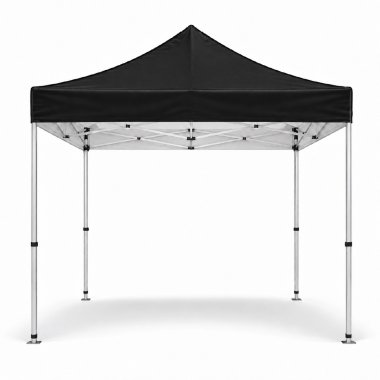
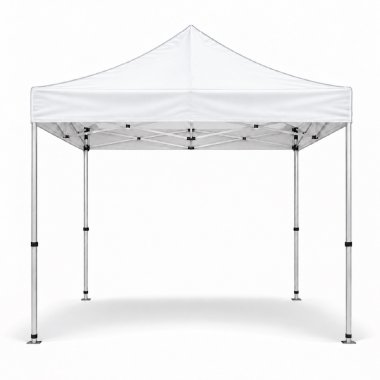
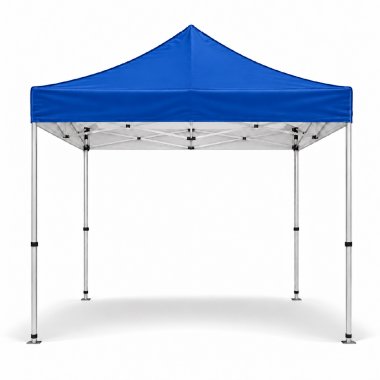
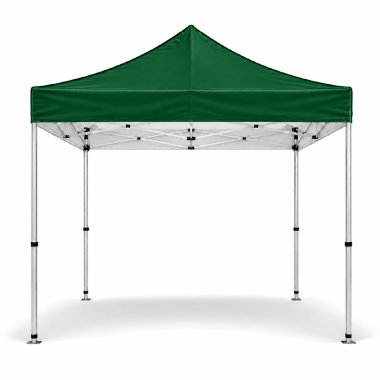
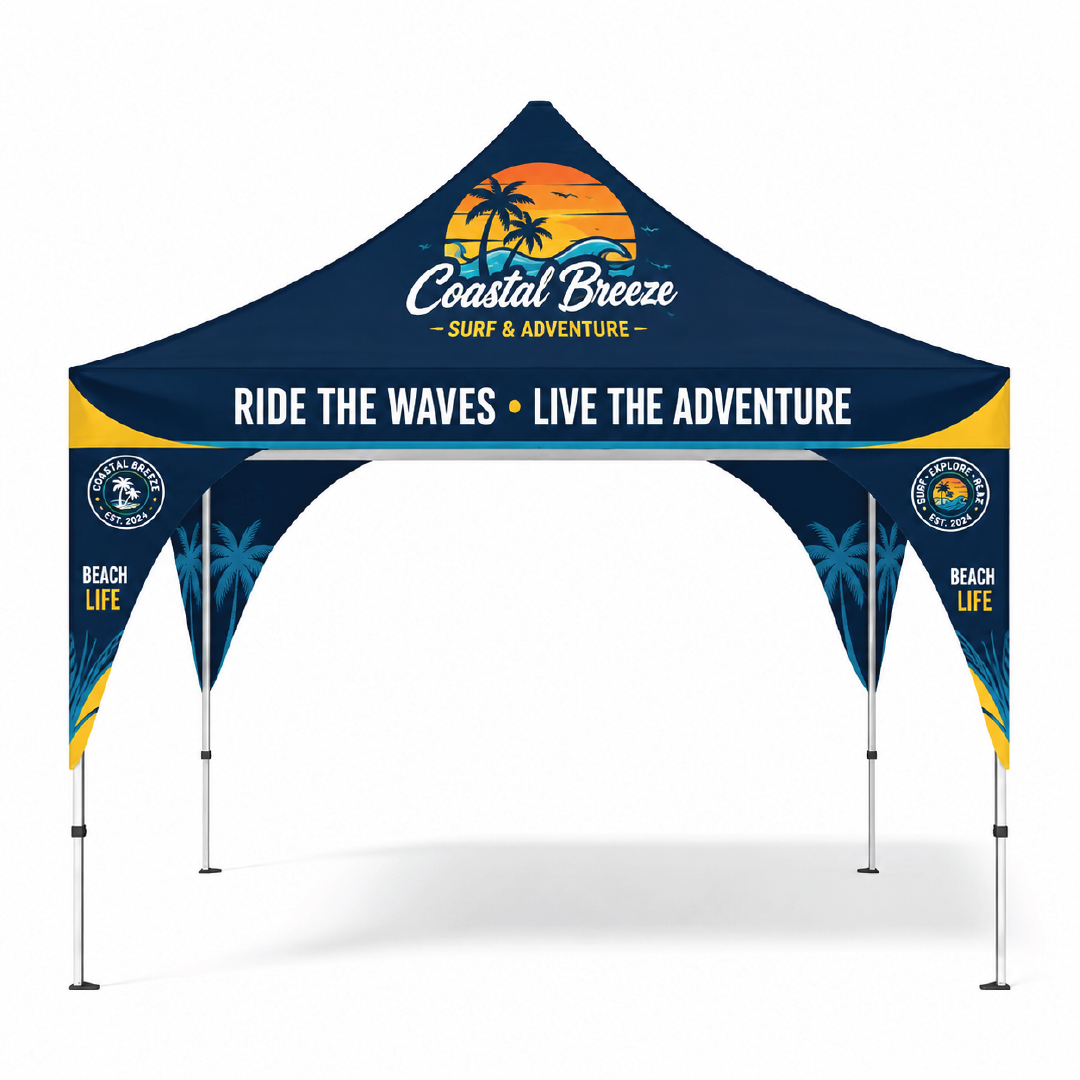
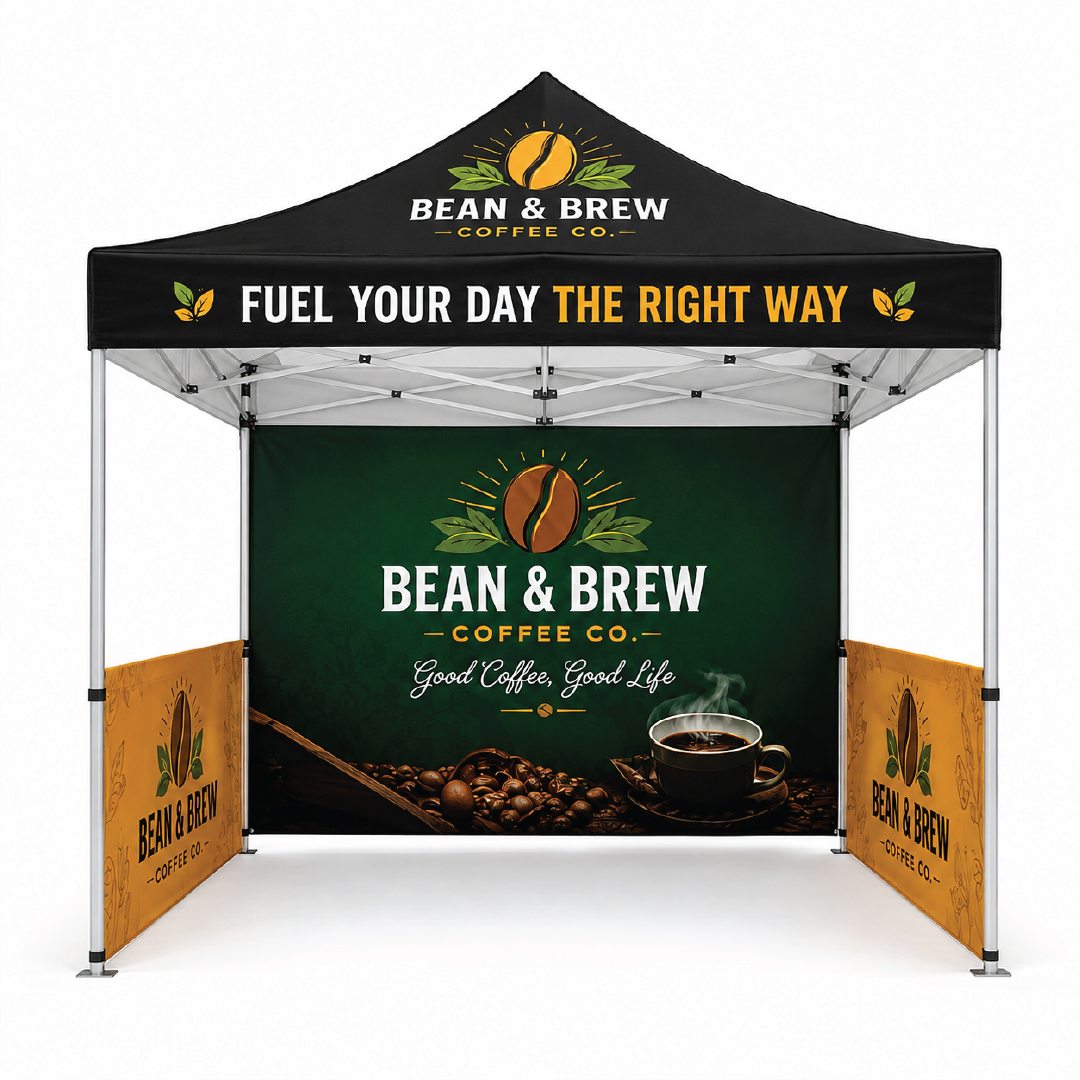
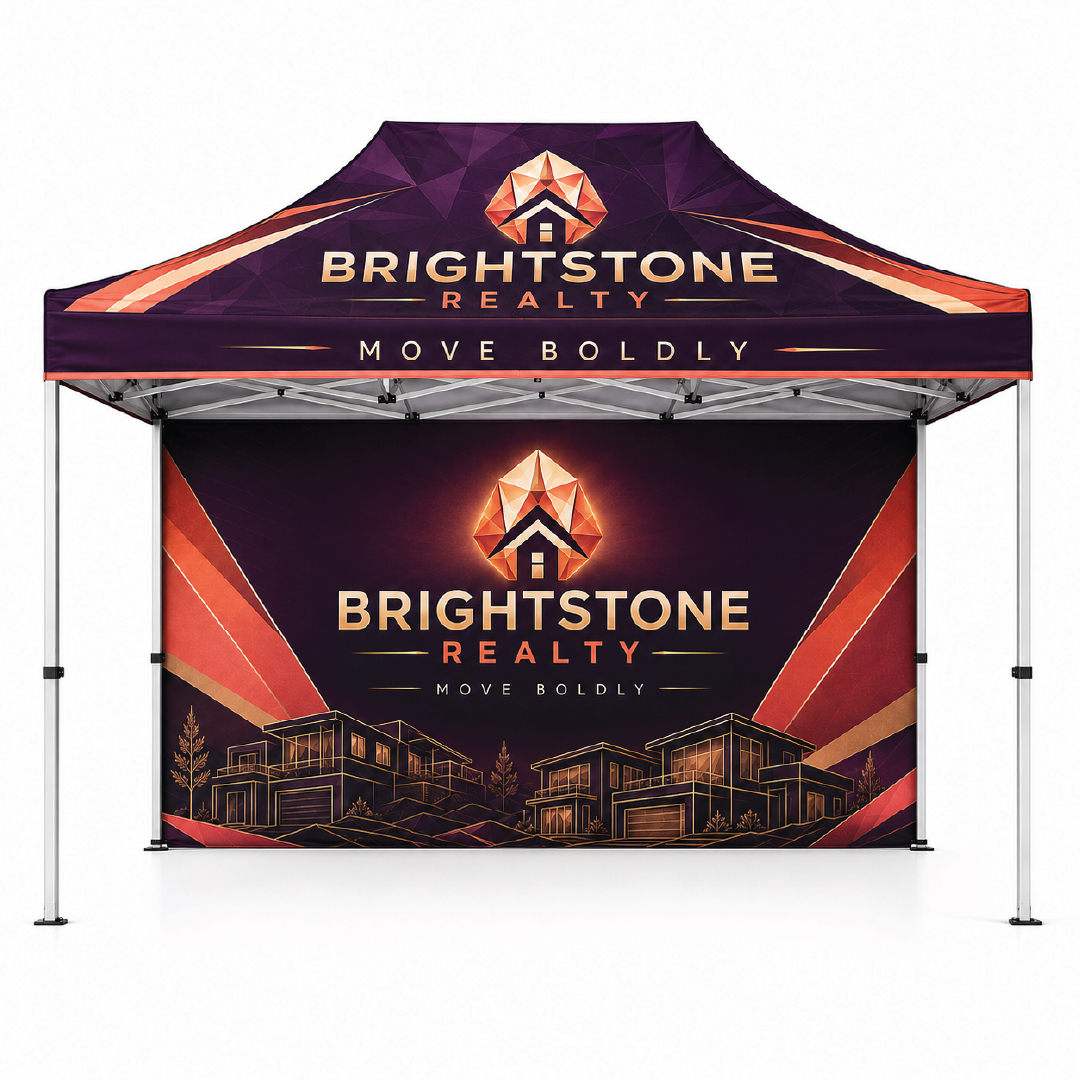
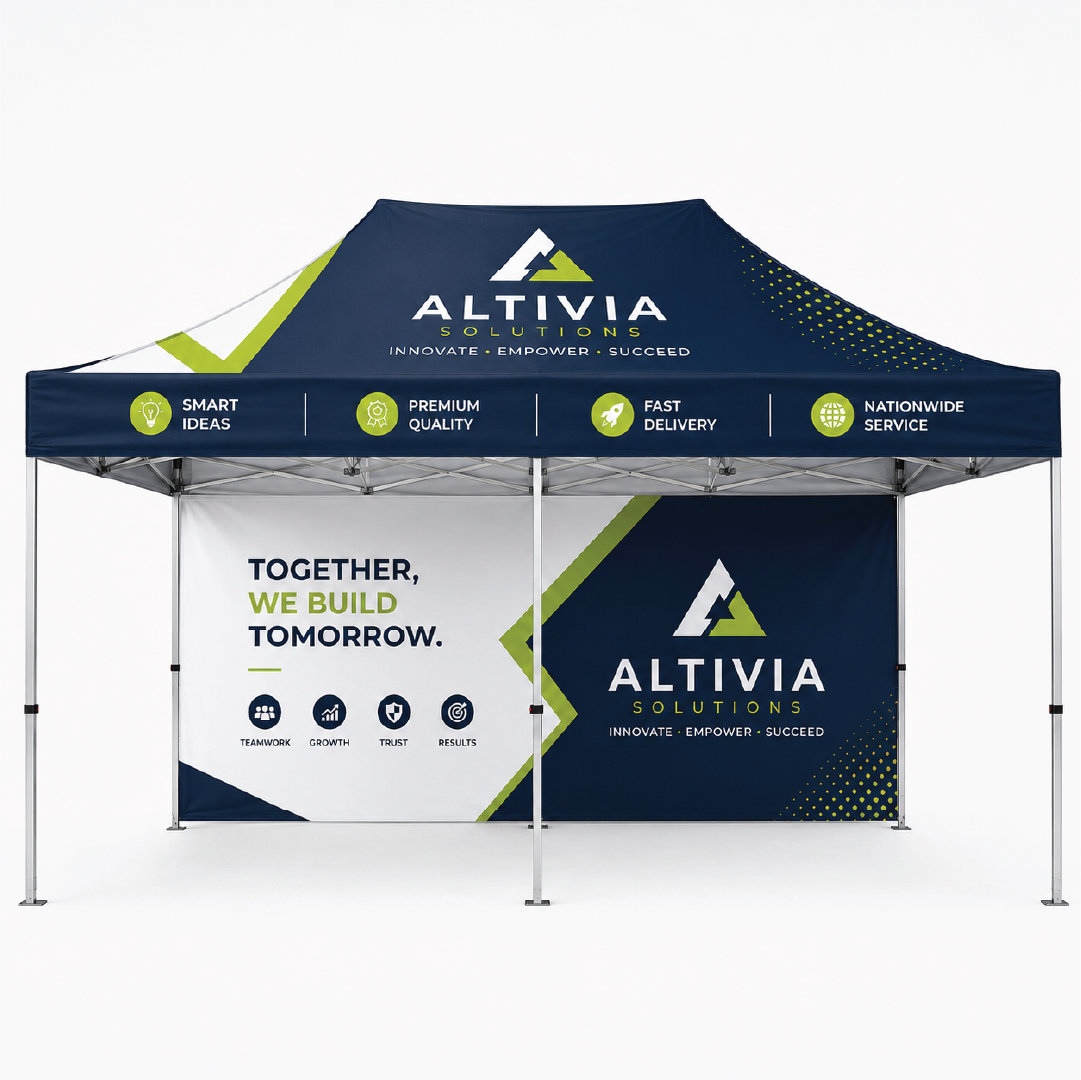
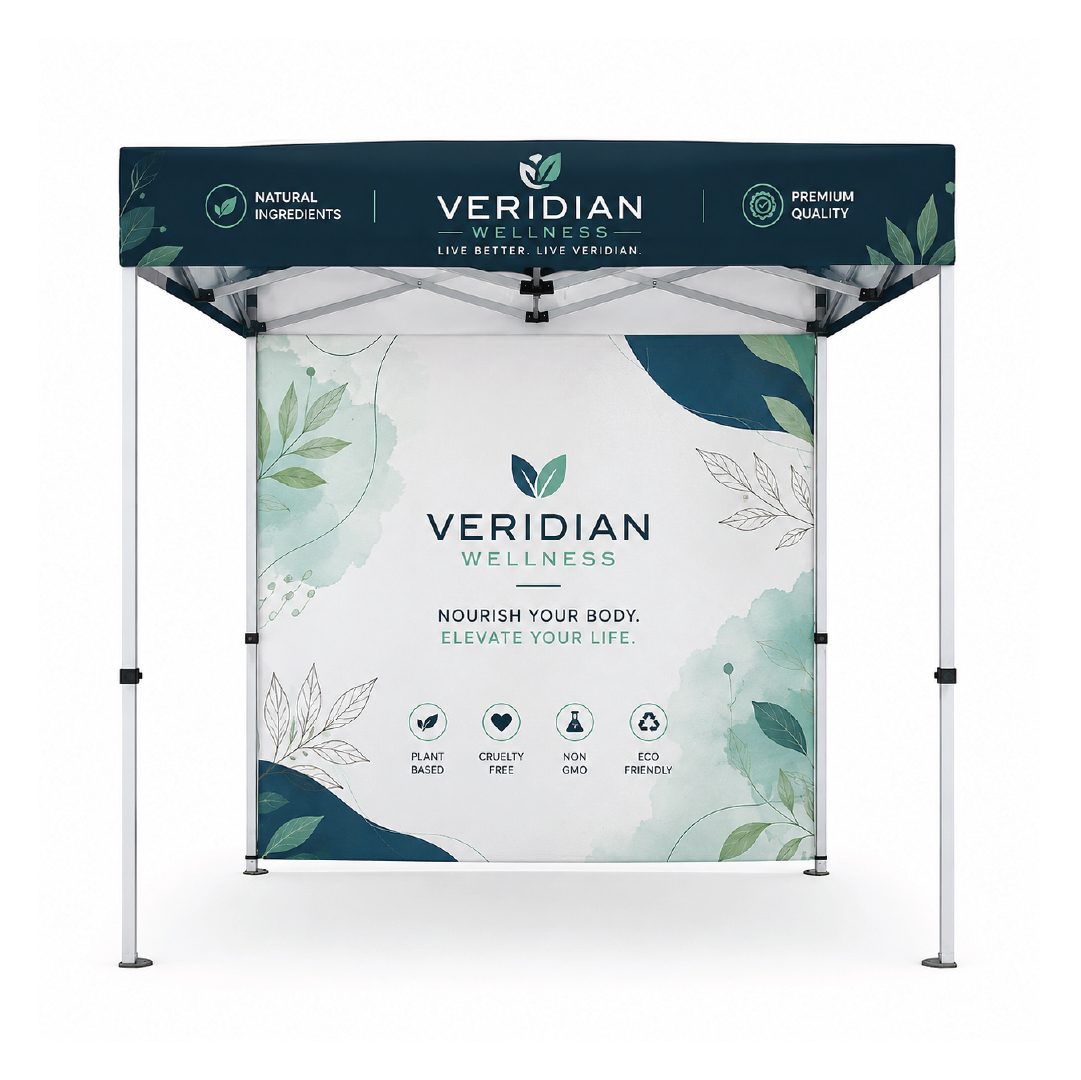
A custom canopy tent in Alabama can serve as a compact branded environment, a sheltered interaction area, an exhibition footprint, or a temporary outdoor presentation space. The right combination of frame, fabric, dimensions, wall configuration, and anchoring accessories determines how effectively it performs once it leaves the showroom.
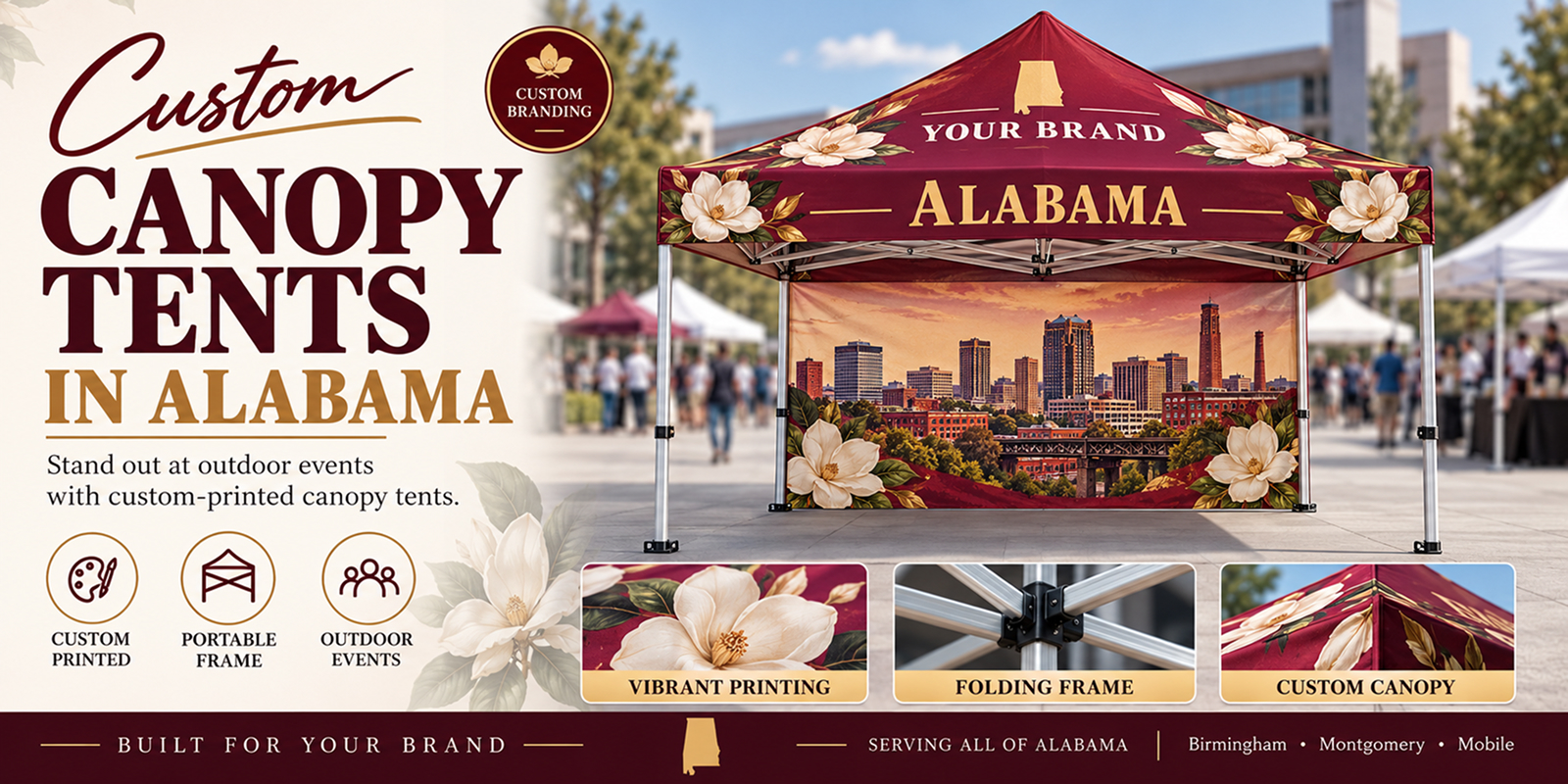
A lightweight recreational canopy may be adequate for occasional personal use. Repeated commercial deployment introduces different considerations: transport, graphic quality, frame handling, visitor movement, storage, and venue requirements all become part of the purchase.
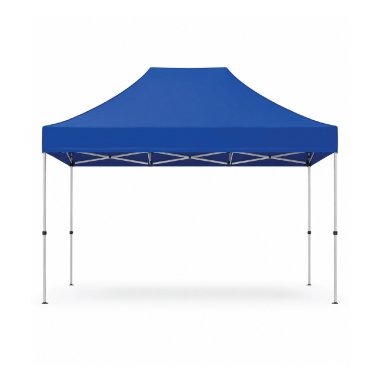
Printing Limitless offers several canopy configurations, including 6 x 6, 10 x 10, 10 x 15, and 10 x 20 custom canopy tents, allowing the footprint to be matched to the available event space rather than forcing every setup into the same format.
| Setup requirement | Canopy consideration |
|---|---|
| Limited booth footprint | Compact configuration with controlled visitor access |
| Standard promotional space | Mid-size canopy with room for displays and interaction |
| Larger exhibition presence | Extended canopy footprint for multiple activity zones |
| Frequent transportation | Lightweight aluminum frame and portable components |
| Strong visual identification | Dye-sublimated custom graphics |
| Greater environmental separation | Optional wall configurations |
| Open visitor interaction | Partial wall treatment or open configuration |
| Additional visibility | Topper and flag-holder options |
The important point is that canopy size should be selected alongside the layout underneath it. Tables, product displays, seating, equipment, staff circulation, entrances, and required clearances can quickly consume usable space.
The frame is responsible for turning folded components into a usable structure, so its construction matters every time the canopy is assembled.
Printing Limitless uses aluminum frames with adjustable telescopic legs on its custom canopy products. The frame can be adjusted between approximately 101 and 135 inches, with a pole diameter of about 1.57 inches. The listed stand weight for the 10 x 10 configuration is approximately 17 kg.
Aluminum is particularly useful when a canopy needs to travel between venues. It offers lower handling weight than comparable steel construction and does not have the same rust concerns associated with exposed steel.
The distinction matters in Alabama's humid and coastal areas. A frame that spends its life being transported, unfolded, adjusted, packed, and transported again needs to remain manageable for the people handling it.
These questions can reveal practical differences that are difficult to see in product photographs.
A custom printed canopy tent has to perform two jobs simultaneously. Its fabric needs to provide outdoor coverage while carrying graphics that remain visually coherent after repeated use.
Printing Limitless lists 600D acrylic-coated polyester with an 8 oz graphic weight on its custom canopy products, along with eco-friendly and recycled FR fabric options on selected configurations. The printing process is dye sublimation, which integrates the graphic into the polyester fabric rather than leaving a thick printed layer sitting on its surface.
That distinction becomes useful when the canopy is packed away repeatedly. A graphic that becomes part of the textile is better suited to the folding and handling associated with portable event displays.
The available material choices also give Alabama buyers something to consider beyond basic appearance. The recycled FR fabric option can be relevant when an event organizer requests flame-related documentation or a particular fabric specification.
The enclosure around a canopy can have a significant effect on how the space functions. A completely open structure encourages movement through the footprint and keeps the interior visually connected to the surrounding event. Additional fabric panels can create separation, provide a stronger visual backdrop, or help organize a presentation area.
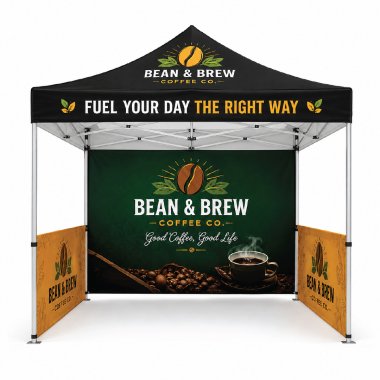
Printing Limitless provides several wall configurations depending on the canopy model. Options can include full and half panels, and selected products offer clear PVC sections for maintaining visibility while adding a physical barrier. This gives the buyer several ways to approach the same structure:
Useful when visibility and easy visitor movement are priorities.
Useful when a display needs some definition without closing off the entire footprint.
Useful when the canopy needs a stronger visual boundary or greater separation from the surrounding environment.
The choice should follow the activity taking place underneath the canopy rather than being treated as a decorative add-on.
The physical canopy is only one part of the setup. The venue can impose requirements concerning size, placement, anchoring, flame resistance, access, and temporary-structure permits. Those requirements can differ considerably by location.
In Mobile, the city's event guidance currently requires a Temporary Structure Permit for tents, canopies, or other temporary structures covering 120 square feet or more. The permit process can require a site plan, structure dimensions, installation and removal dates, and proof of flame retardancy or flame-proofing. That threshold makes size selection particularly important for larger canopy configurations.
The University of Alabama also publishes temporary-structure requirements that include anchoring methods, flame resistance, separation distances, exit provisions for enclosed structures, and wind-load considerations. Its guidance states that structures must be designed to safely resist a 45 mph ground wind speed and may need to be disassembled when high winds are anticipated.
Venue requirements should be checked before the canopy is ordered, particularly when the setup involves multiple structures, enclosed sides, large footprints, or a public event.
Mobile deserves particular attention because its current event guidance puts a defined threshold around temporary structures.
A canopy covering 120 square feet or more falls into the city's temporary-structure permitting process. The guidance also calls for fire-retardant or flame-proofing documentation and an inspection under the city's fire-code process. That creates an important distinction between purchasing a canopy and preparing it for an organized event.
A buyer planning a 10 x 20 custom canopy in Mobile should therefore check the event requirements before finalizing the structure. Printing Limitless offers that larger configuration with an aluminum frame, multiple wall choices, topper options, sandbags, and flag-holder accessories. The canopy can be selected for the physical space first, while the organizer's documentation and installation requirements are confirmed separately.
A canopy intended for an Alabama coastal activation should not automatically be assumed suitable for placement directly on public beach sand. Gulf Shores currently restricts tents and shelters larger than 7 x 7 feet and taller than 4 feet on public beaches unless they are placed within the designated Gulf Place area. The city also prohibits leaving structures or equipment on the beach overnight. That matters if a branded canopy is being considered for a coastal campaign, beach activation, photography setup, or promotional event.
The appropriate question is therefore not simply Can this canopy be used outdoors? It is Where will the canopy actually be installed, and what does that location permit? Private property, event grounds, public parks, streets, convention spaces, and beaches can each impose different conditions.
A custom canopy gives a large fabric surface to work with, but filling every available area with information can weaken the overall presentation.
Dye-sublimation printing allows the canopy graphics to carry strong colors, logos, patterns, imagery, and other visual elements across the fabric. Printing Limitless also provides an optional Pantone code selection on its custom canopy configurations, which can help maintain closer alignment with established brand colors.
A practical graphic system might prioritize:
| Graphic priority | Appropriate content |
|---|---|
| Immediate recognition | Logo or brand name |
| Brand consistency | Core colors and visual identity |
| Product communication | Short product or service message |
| Event campaign | Campaign-specific imagery |
| Visitor action | Concise URL, offer, or call to action |
The design should remain legible at the distances at which people will encounter the canopy. A visitor walking toward a booth does not experience the graphic in the same way as someone viewing it across an event area.
The supporting components can influence how useful the canopy becomes once it is deployed. Printing Limitless provides optional sandbags, toppers, flag holders, and teardrop flags on selected canopy configurations. Some models also provide clear PVC panel options. These additions should be selected around a specific requirement.
A topper can reinforce identification above the main structure. A flag can introduce another vertical visual marker. Clear panels can preserve visibility where a solid wall would obstruct the view. Sandbags provide additional stability where the installation surface does not allow conventional staking.
The value comes from coordinating the accessories with the canopy rather than adding every available component simply because it is offered.
The footprint needs to accommodate both the structure and everything happening inside it.
| Canopy size | Planning direction |
|---|---|
| 6 x 6 | Compact footprint where space is restricted |
| 10 x 10 | Balanced option for many standard event layouts |
| 10 x 15 | Additional depth for displays or interaction |
| 10 x 20 | Extended footprint for larger presentations or multiple activity areas |
The 6 x 6 canopy can be useful where an event provides a tighter footprint. Printing Limitless offers half-panel configurations and topper options for this model.
The 10 x 20 canopy provides a substantially larger working area and supports multiple wall configurations, including half and full panels. The right choice depends on the assigned footprint, visitor circulation, equipment, display requirements, and the rules established by the venue.
The canopy does not have to begin with a finished design file.
Printing Limitless provides an online design workflow, artwork upload options, and access to professional design assistance. On selected products, buyers can provide a description of the desired visual direction, upload references, specify colors, and work with a designer before production.
That can be particularly useful when the canopy is being created as part of a new campaign rather than as a simple reproduction of an existing display.
A custom canopy tent for Alabama events should ultimately look intentional from every viewing distance. The artwork, fabric, frame, walls, and accessories all contribute to that result.
Before placing the order, confirm these points against the event requirements:
This checklist is especially useful in Alabama because requirements can change according to the municipality, event type, structure size, and location.
A canopy should earn its footprint. The strongest setup is one that arrives with the right dimensions, carries a graphic system that can be recognized quickly, and accommodates the way people actually interact with the space.
Printing Limitless combines custom canopy tent printing, aluminum pop-up frames, multiple canopy sizes, wall configurations, sustainable fabric options, dye-sublimated graphics, and supporting accessories to create flexible outdoor display systems.
For an event in Birmingham, a promotional setup in Huntsville, a larger outdoor installation in Montgomery, or a coastal activation around Mobile and Gulf Shores, the planning considerations will not always be identical. The canopy can be configured around those differences while maintaining a consistent brand presence.