Free Shipping on Orders $99+
Use Code FLAT15 & Get 15% Off On All Orders
Choose your store
Prices, currency, and delivery follow the store you select.
Prices, currency, and delivery follow the store you select.
In Arizona, the conditions surrounding an outdoor booth can influence the purchase just as much as the booth itself. A vendor setting up in Phoenix may be working on pavement under intense sun. A market in Scottsdale can place a canopy on grass, gravel, or another uneven surface. An outdoor promotion in Tucson may require a setup that can be transported and assembled repeatedly. A business attending a desert festival may care as much about shade and anchoring as it does about displaying its logo.
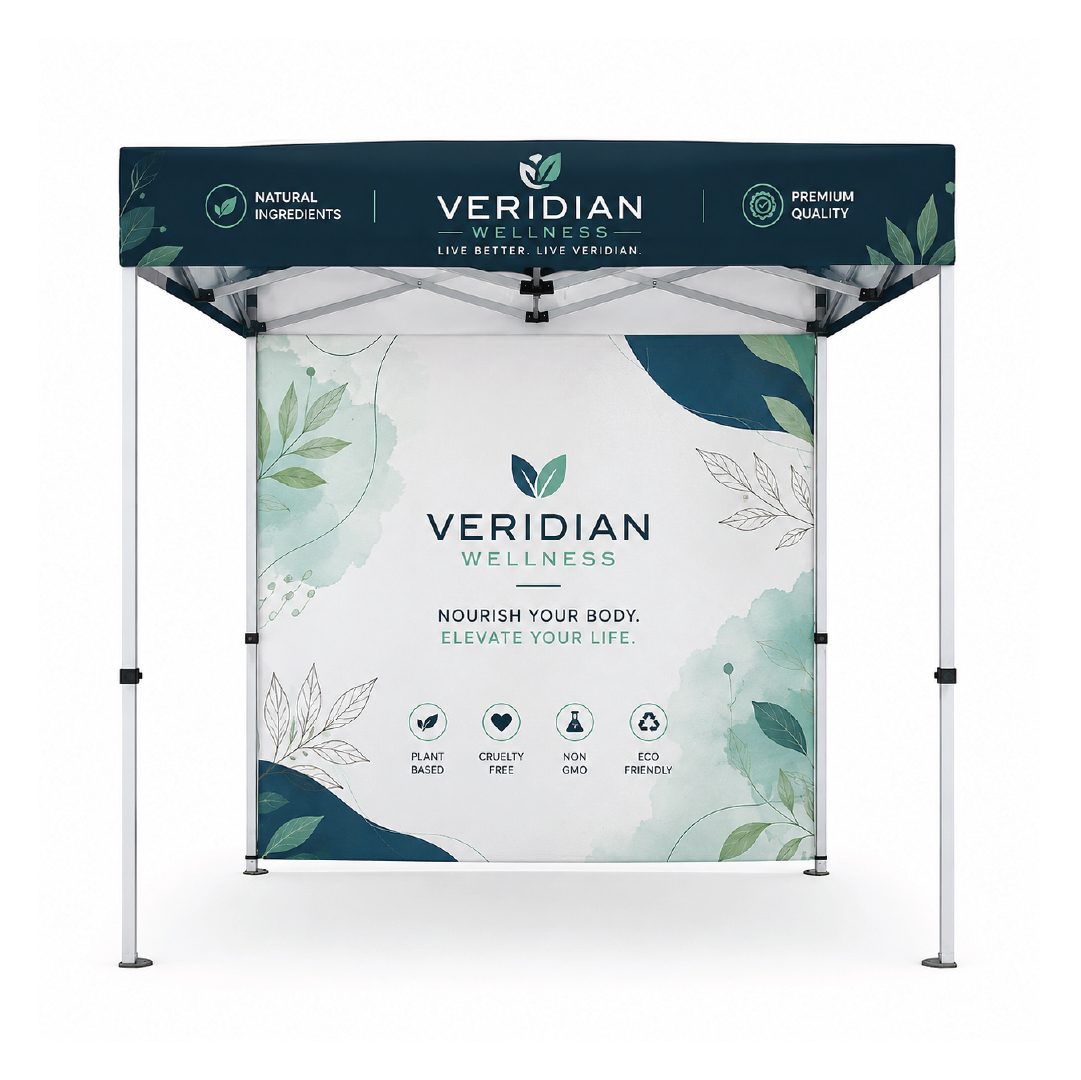
That makes an Arizona custom canopy tent a practical piece of event infrastructure, not simply a printed shelter. The right setup needs to fit the assigned space, provide useful shade, handle the demands of repeated outdoor use, and give the business a recognizable presence without creating unnecessary equipment to transport.
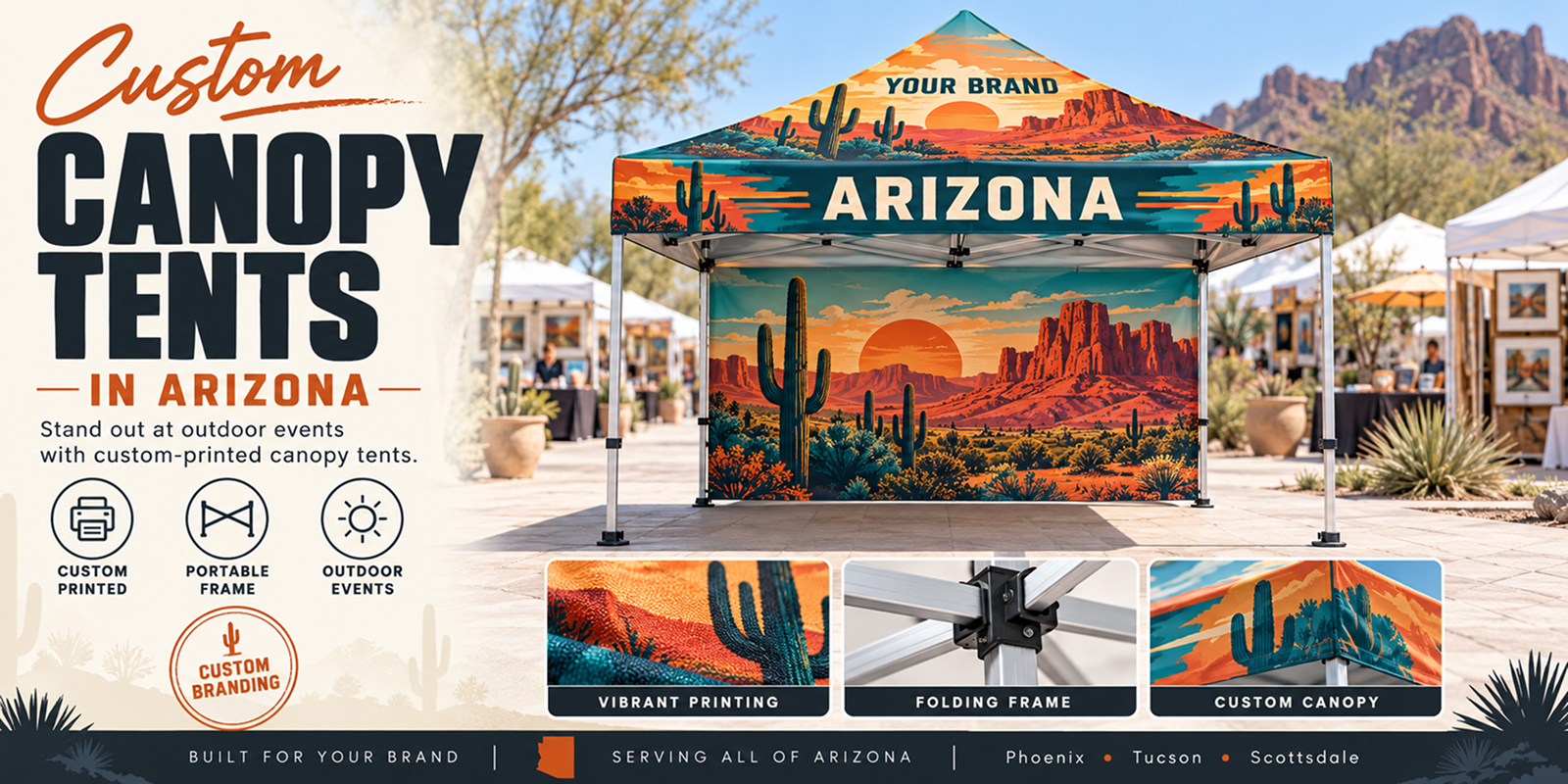
A canopy in Arizona can spend long periods exposed to intense sunlight and high temperatures. That affects how businesses should approach both the physical setup and the event schedule.
For a vendor, the canopy needs to create a usable working area rather than simply cover a table.
That can mean planning around:
A thoughtful layout can make a compact booth substantially easier to operate.
The roof provides the first layer of protection, but the orientation of the entire booth matters. A morning event and an afternoon event can produce very different conditions. The side of the canopy receiving direct sun may also become the most uncomfortable position for staff or the least suitable location for temperature-sensitive merchandise.
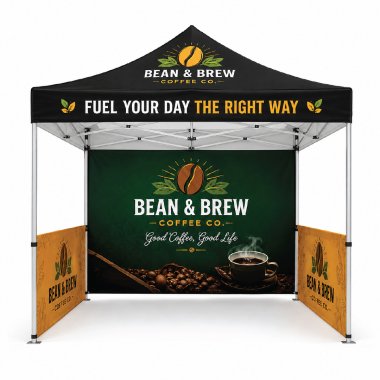
Adding selected side panels can change how the space functions. Instead of enclosing every side, a business can use a panel strategically where it provides useful separation or shade while leaving the customer-facing area open. The goal is not maximum enclosure. It is useful coverage without sacrificing accessibility.
A canopy should fit the event allocation with enough room left for people to work.
| Situation | Possible format |
|---|---|
| Compact information booth | 6 x 6 |
| Standard market space | 10 x 10 |
| Additional product or working room | 10 x 15 |
| Large promotional environment | 10 x 20 |
| Shelter with separate branding | Solid color canopy |
The 10 x 10 format is particularly relevant in Arizona markets. The Downtown Phoenix Farmers Market requires vendors to supply their own tent or canopy with weights, while its current merchant information also requires appropriate permits and insurance for applicable vendors.
The Uptown Farmers Market guidelines provide another useful example. Vendors are required to use a 10 x 10 white tent with straight legs and at least 20 pounds attached to each leg. These are market-specific rules, not statewide requirements, but they demonstrate why checking the organizer's specifications before purchasing matters.
Arizona events do not always happen on a perfectly level lawn. A booth may be positioned on:
Scottsdale's Mercantile Market, for example, states that vendor spaces can be located on grass, gravel, or pavement and may include slight inclines. Its 2026 vendor requirements also call for 40 pounds per leg and prohibit stakes or ground-penetrating anchoring methods.
That makes the ballast system an important part of the buying decision. A business that attends different Arizona markets should know what type of anchoring each venue permits rather than assuming one method will work everywhere.
Arizona event organizers can be very specific about canopy stabilization. The Downtown Phoenix Farmers Market requires vendors to bring tent weights, while Scottsdale's Mercantile Market requires a minimum of 40 pounds per leg and requires those weights to be securely attached. This has practical consequences for mobile vendors.
Four weights add considerable bulk to a transport setup. They need to fit in the vehicle, reach the booth without excessive carrying, and remain securely attached throughout the event. Before ordering the canopy, determine:
Those answers can influence the overall canopy package.
A canopy's fabric has two jobs in an Arizona environment: provide coverage and carry the printed identity of the business.
Printing Limitless offers a 10 x 10 custom canopy using 600 denier acrylic-coated polyester with an 8 oz graphic weight, as well as an eco-friendly fabric option. The canopy uses an aluminum pop-up frame with telescopic legs.
The solid color range uses 420D Oxford polyester at approximately 9.6 oz, paired with an aluminum frame and telescopic legs. For an Arizona business, the useful question is not simply “Which fabric is thicker?” Consider the complete combination of fabric construction, coating, printing method, expected frequency of use, and storage conditions.
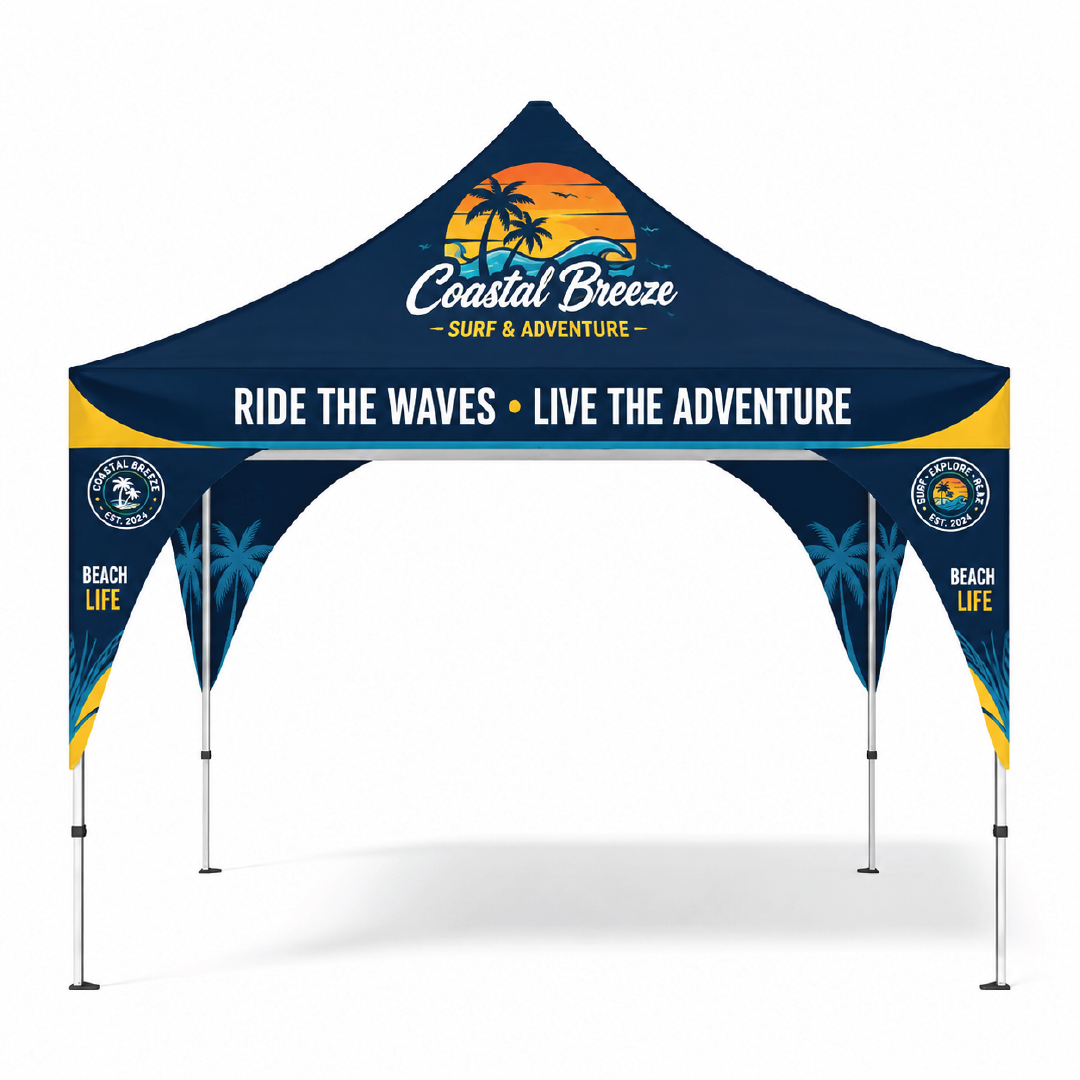
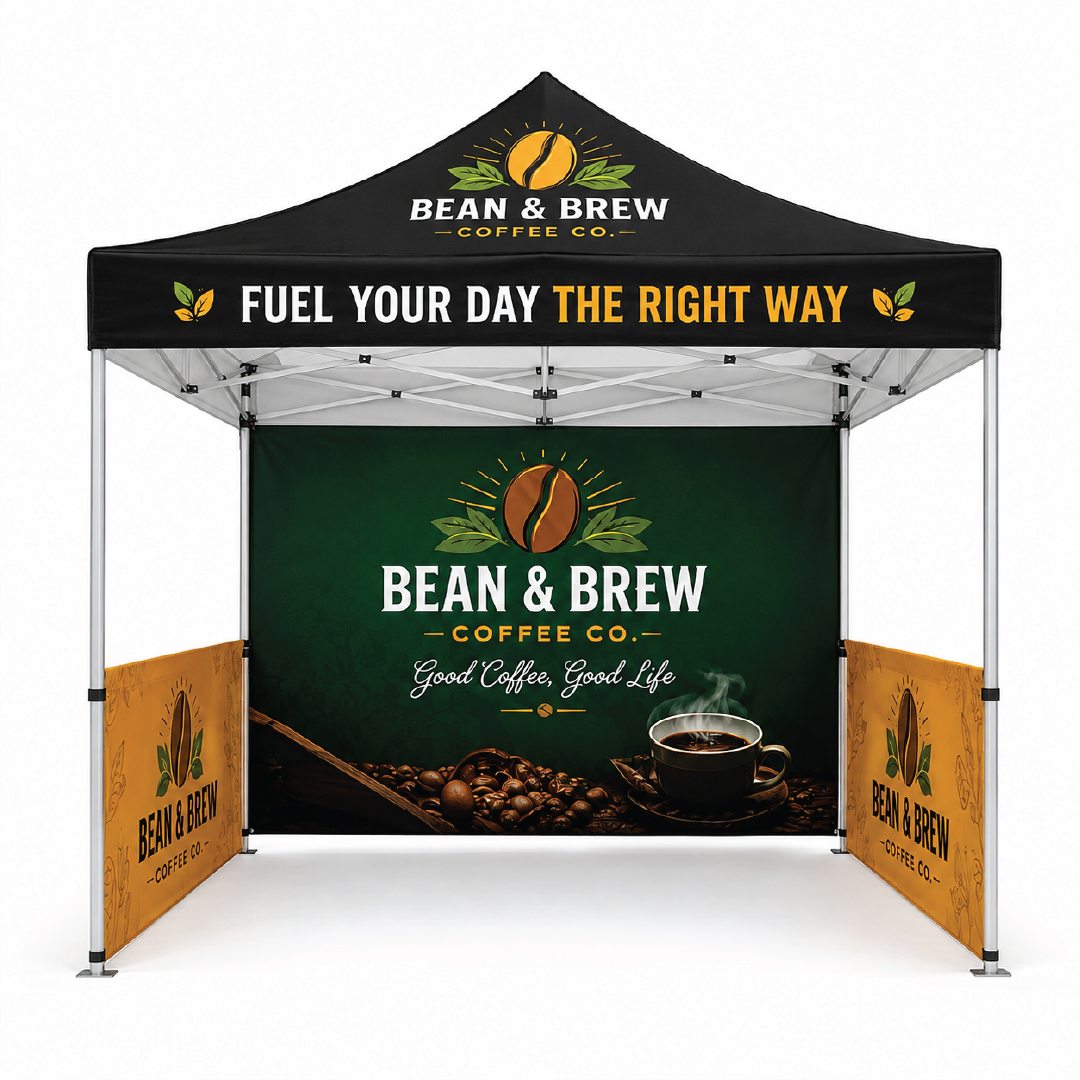
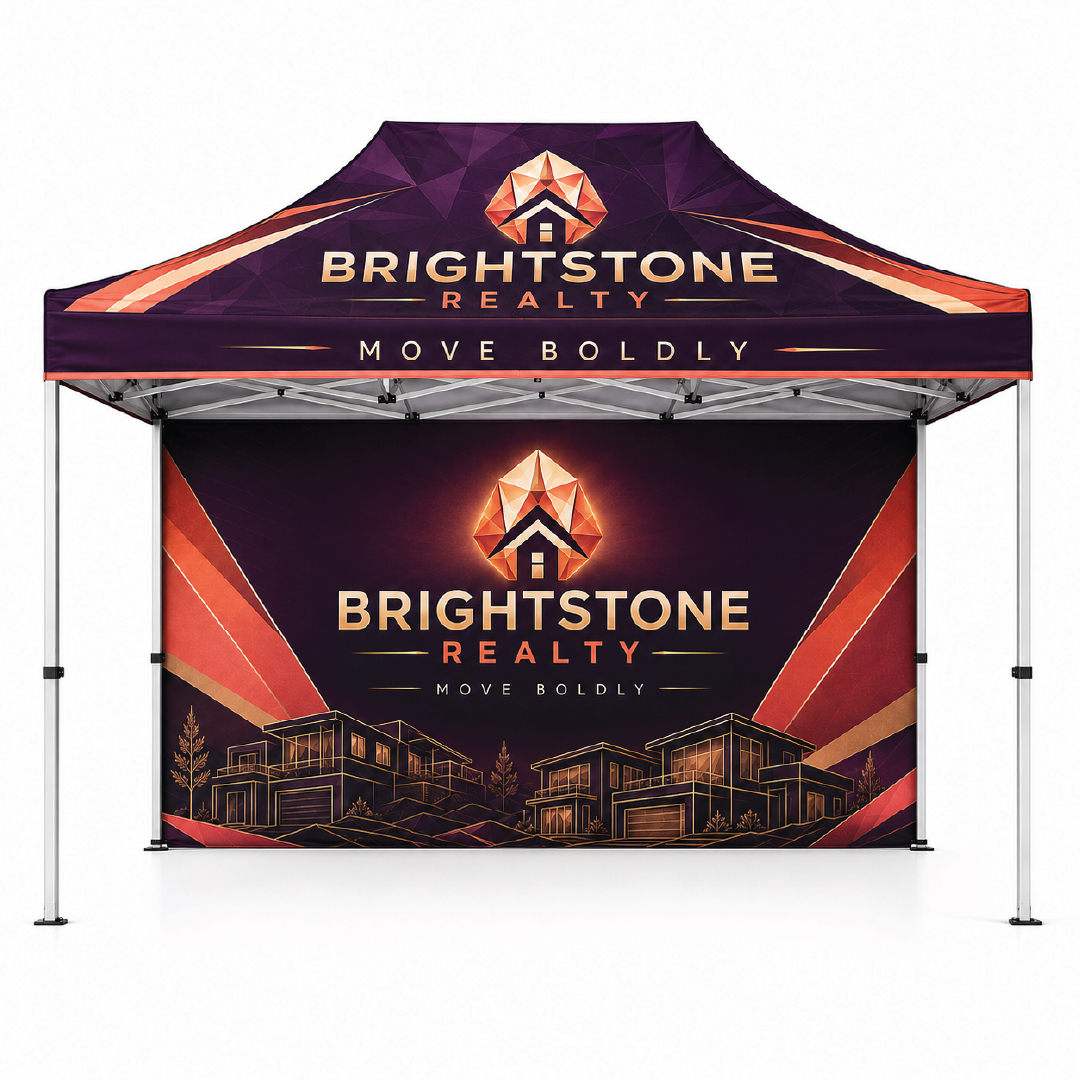
A business does not need to cover the booth with multiple signs to establish recognition. A custom printed canopy can carry the visual identity across the structure while the tables and displays handle product information. This can be particularly useful at busy outdoor markets where customers are walking past several vendors.
A recognizable logo and consistent brand colors can help someone identify the booth before reaching it. Additional information can then be presented at a closer viewing distance. Keep the primary artwork simple enough to remain readable in bright outdoor conditions. Small text that works on a laptop screen may disappear when printed across a canopy viewed several yards away.
Walls should be selected according to what the booth needs to accomplish. A fully open setup provides maximum access and airflow. One or two panels can provide shade, visual separation, or additional branding.
A more enclosed configuration can create a defined presentation or storage environment, but it can also restrict airflow and change how the space feels in hot conditions. Printing Limitless offers multiple wall configurations on its 10 x 10 custom canopy, including half and full panels and single or double-sided graphic options. For Arizona events, the best configuration may therefore be the one that balances shade, airflow, visibility, and customer access rather than simply maximizing printed coverage.
A 10 x 10 canopy gives a business 100 square feet of covered space while remaining manageable for recurring events. It can accommodate a compact arrangement with a table, merchandise, staff area, and customer-facing display. The format also works well when the organizer has standardized booth allocations.
Printing Limitless lists an approximate 37.48-pound stand weight for its 10 x 10 custom canopy, before adding graphics, walls, ballast, and other event equipment. That distinction is important. A business should plan for the weight of the complete setup, not just the frame.
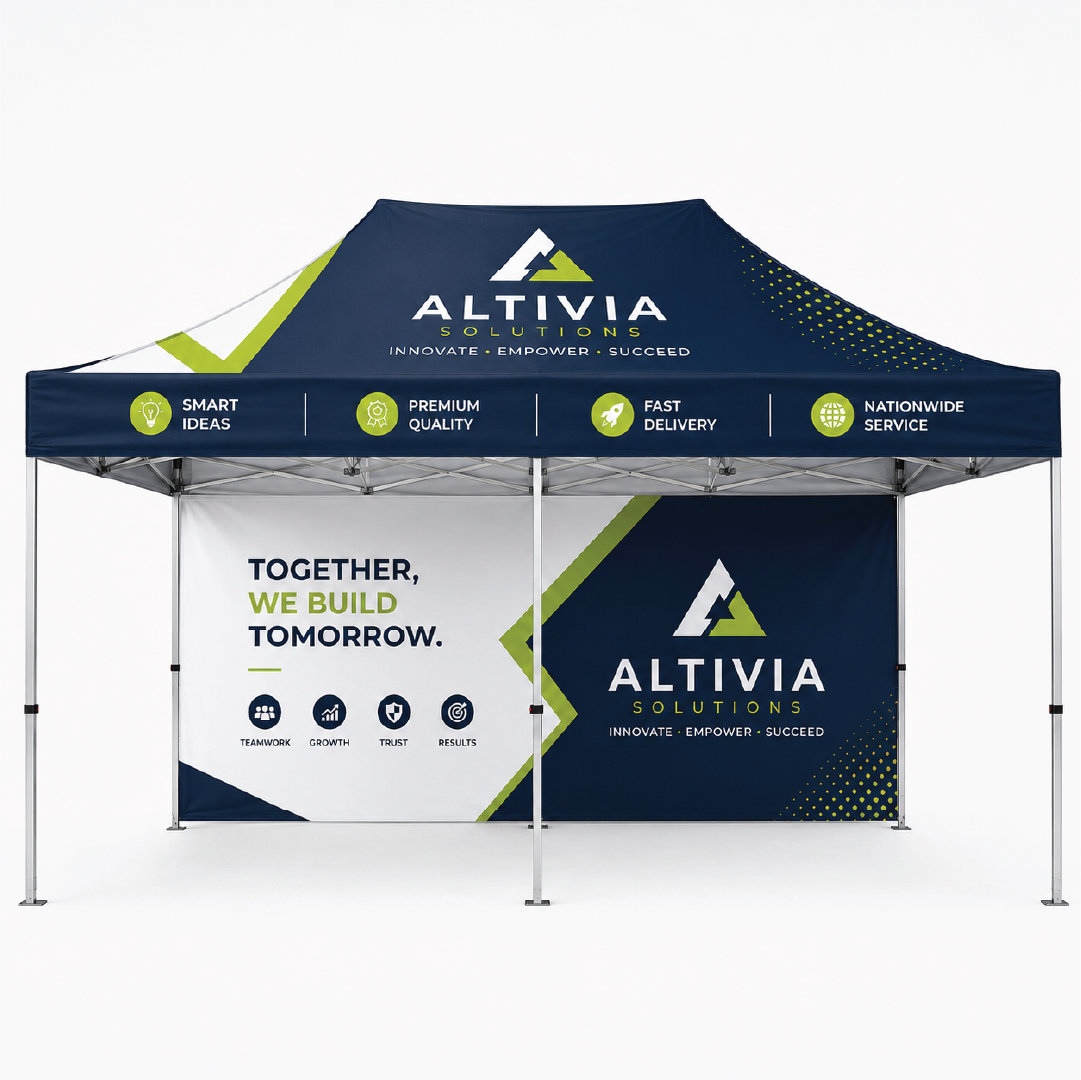
A 10 x 15 or 10 x 20 canopy becomes useful when the space needs to support several activities. A larger setup can accommodate a product presentation at the front while leaving room for inventory, staff movement, or customer conversations behind it.
The 10 x 20 Printing Limitless model offers an aluminum frame and configurable wall options, making it suitable for businesses that need a larger footprint. Larger is not automatically better, however. A business attending markets with strict 10 x 10 allocations may find a smaller format much more practical.
Arizona event requirements can extend beyond size and anchoring.
The current Mercantile Market requirements in Scottsdale specify a fire-resistant canopy and require vendors to have a valid fire resistance label or certificate available for inspection.
That is particularly important for businesses purchasing a canopy for repeated event use.
Do not assume that a canopy approved at one event will automatically satisfy another organizer. Ask for the current vendor requirements and confirm what documentation is expected before production.
Most everyday 10 x 10 vendor canopies are far below Phoenix's larger tent permit thresholds.
The City of Phoenix currently states that a Tent, Canopy, or Membrane Structure Permit is required for tents exceeding 800 square feet or canopies exceeding 1,200 square feet at covered outdoor events. The city also has separate public assembly requirements based on attendance and crowd containment.
For a typical small vendor booth, these thresholds are unlikely to determine the purchase.
They become relevant when a business or event organizer is planning a much larger temporary structure, multiple structures, or a substantial branded installation.
Food businesses need to consider the canopy alongside their operating equipment.
Downtown Phoenix Farmers Market requires food vendors to carry applicable health permits and liability insurance, in addition to supplying their own tent, weights, and other equipment.
The booth therefore needs room for more than customer presentation.
A food vendor may need to accommodate:
The canopy footprint should be chosen after those requirements are mapped rather than after the graphics have already been designed.
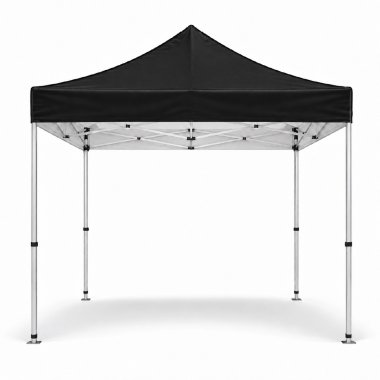
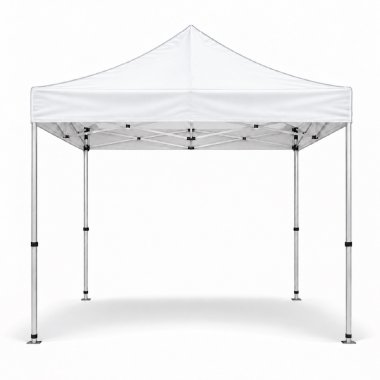
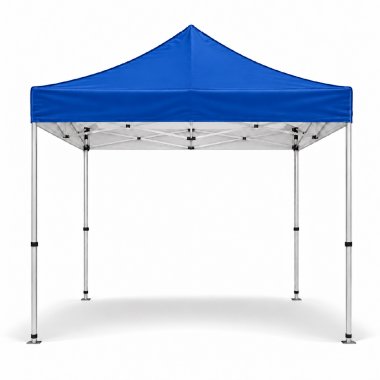
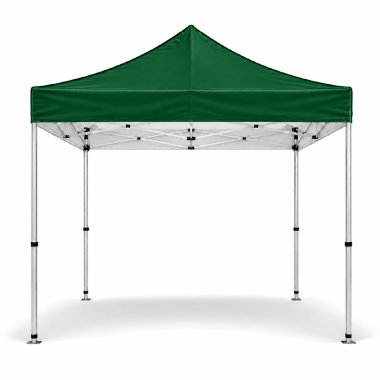
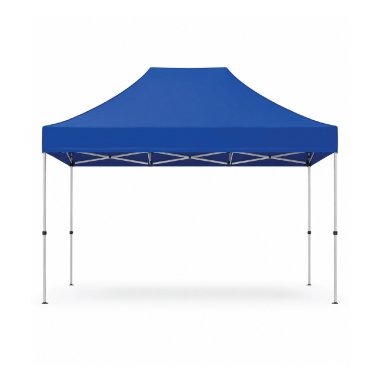
A business does not necessarily need full canopy printing. A solid color canopy tent can be a practical choice when the brand is already represented through banners, flags, table covers, or other displays. Printing Limitless currently offers 10 x 10 and 20 x 10 solid color options using 420D Oxford polyester.
This can also make sense when the same structure will serve several purposes, and the business wants a neutral foundation. For a company where the canopy itself is the primary brand display, a custom printed option provides considerably more visual control.
Heat changes the experience of an outdoor event.
If a business has control over its event schedule, earlier or later operating periods can reduce exposure to the most intense part of the day. If the schedule is fixed, booth orientation, shade, and airflow become more important.
Staff comfort should be treated as part of booth planning. A canopy that looks attractive but leaves the team standing in direct sunlight for hours is not a well-planned display. Consider where the staff will actually stand, where customers will queue, and which areas will receive the strongest sun during the event.
An Arizona event kit can become surprisingly heavy once the canopy is combined with ballast and display equipment.
Before selecting a larger format, account for:
A 6 x 6 or 10 x 10 setup may be preferable for a business that attends several small markets each month. A larger company activation can justify the 10 x 15 or 10 x 20 footprint when the event provides sufficient space.
A canopy intended for repeated Arizona events should avoid artwork that becomes outdated after one weekend.
Permanent elements can include:
Seasonal offers and event-specific messaging can be handled through separate signs. This approach allows one canopy to appear at a Phoenix market, a Scottsdale festival, and a Tucson promotion without looking tied to one particular occasion.
Before placing an order, confirm these points with the event organizer:
These checks take little time and can prevent a canopy from becoming unusable at the venue.
A successful outdoor booth is a combination of structure, shade, stability, and presentation.
For Arizona businesses, that combination needs to work under conditions that are considerably different from a typical indoor exhibition. Strong sunlight, hard surfaces, heat, and event-specific anchoring rules all deserve attention before the first setup.
Printing Limitless offers custom canopy sizes and configurations for businesses that need a reusable outdoor display, along with solid color alternatives and design assistance for preparing the graphics.