Free Shipping on Orders $99+
Use Code FLAT15 & Get 15% Off On All Orders
Choose your store
Prices, currency, and delivery follow the store you select.
Prices, currency, and delivery follow the store you select.
Delaware gives outdoor brands a relatively compact footprint to cover, but the display conditions can change significantly between Wilmington, central Delaware, and the Atlantic coast. A canopy used near Rehoboth Beach, Lewes, or Bethany Beach may deal with salt air, strong coastal breezes, and intense summer sun, while a setup in Wilmington or Newark may be working around paved surfaces, public spaces, commercial properties, or organized street activities.
That makes the buying decision less about finding a generic pop-up tent and more about choosing a structure that fits the way it will actually be used. The frame, fabric, anchoring method, wall configuration, transport system, and even the way the artwork is prepared all influence how practical the finished display will be.
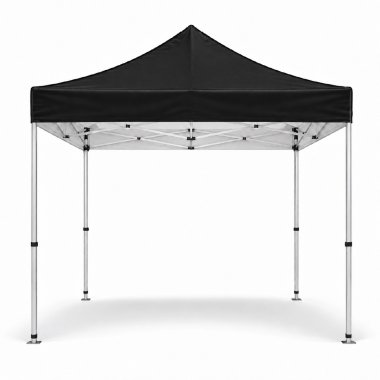
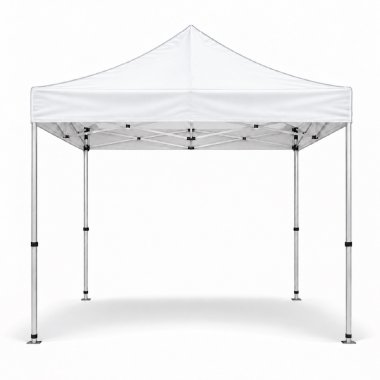
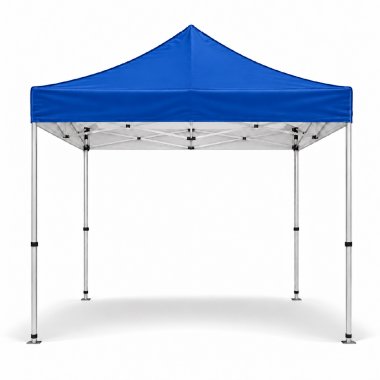
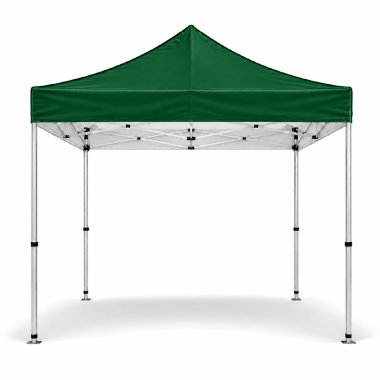
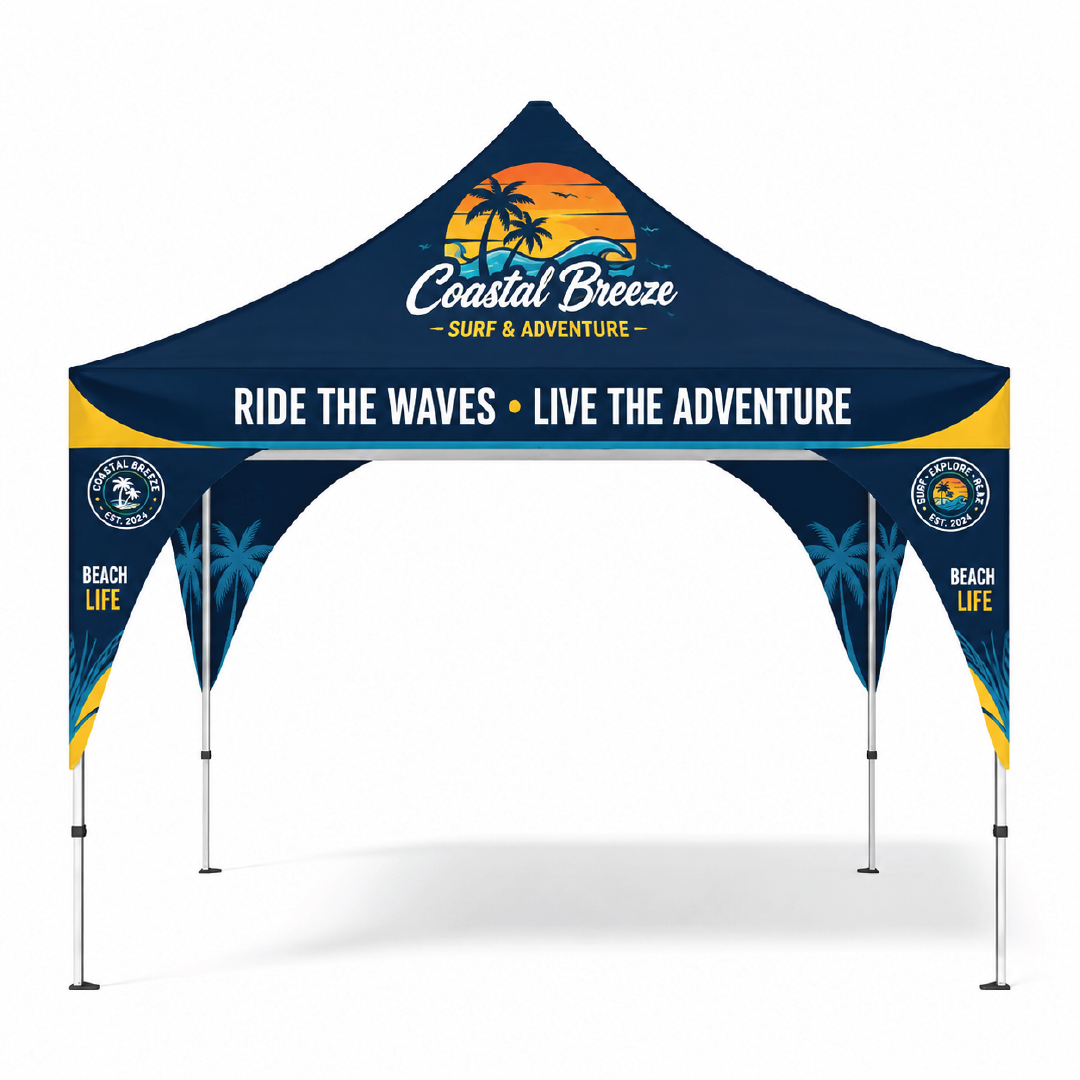
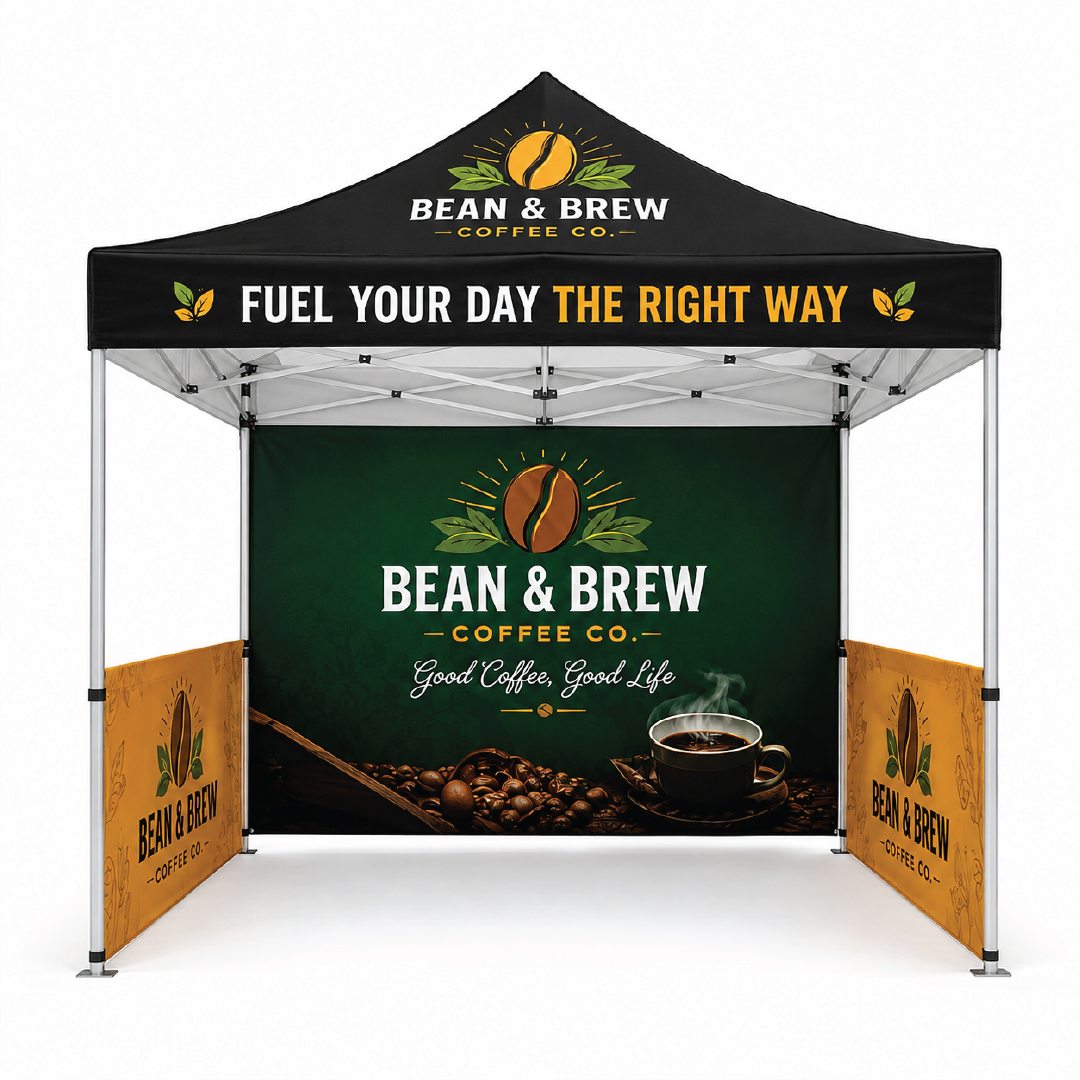
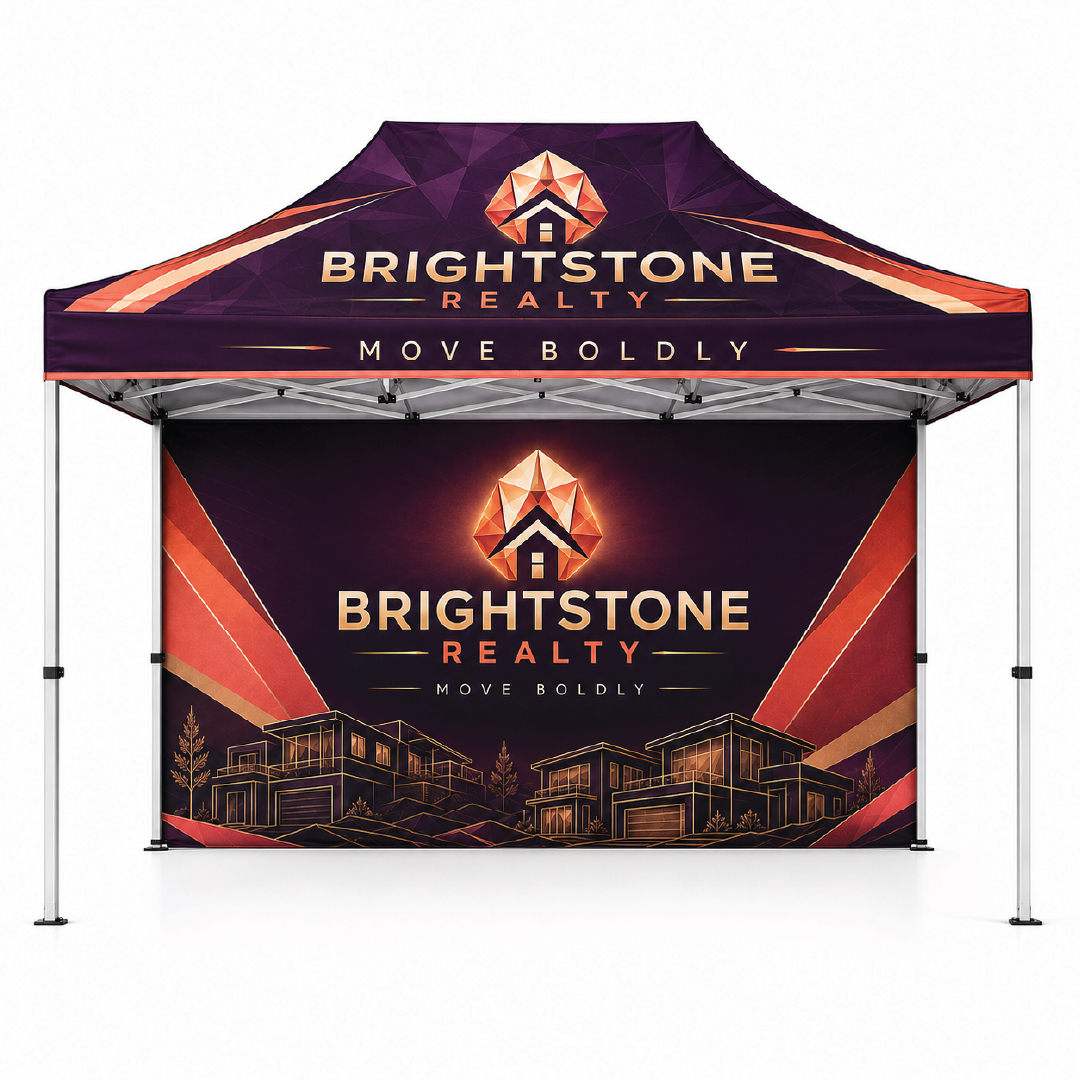
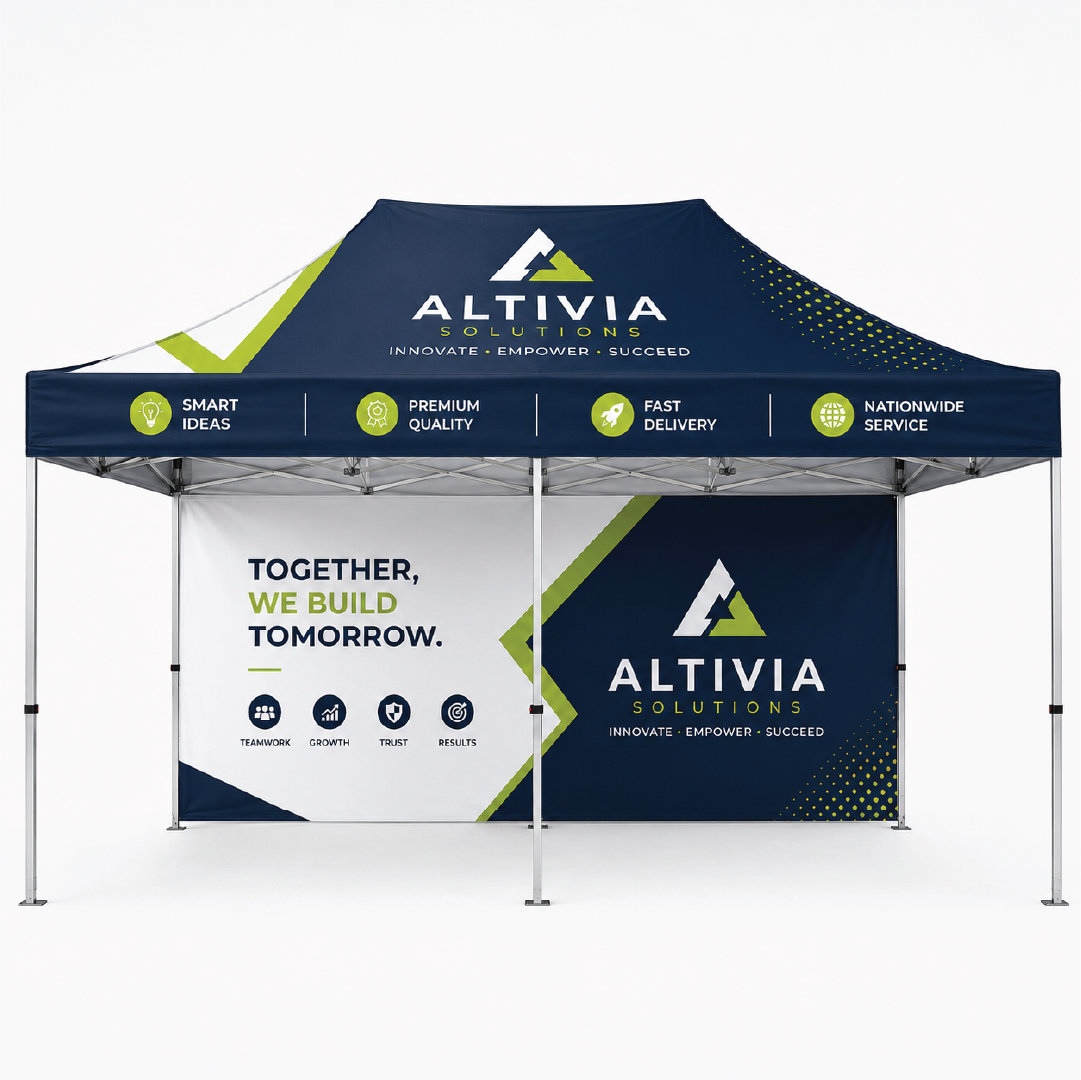
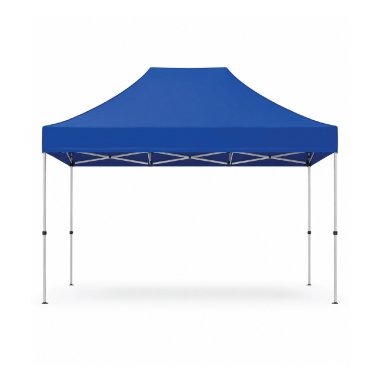
Printing Limitless offers 6x6, 10x10, 10x15, and 10x20 custom canopy configurations, along with aluminum pop-up frames, custom walls, toppers, flag attachments, sandbags, clear PVC panel options, and wheeled transport solutions. The 10x10 and 10x20 models use 600D acrylic-coated polyester with an 8 oz graphic weight, while eco-friendly and recycled FR fabric options are also available.
That range gives Delaware buyers room to build a setup around the footprint, location, and type of interaction they expect rather than forcing every application into the same configuration.
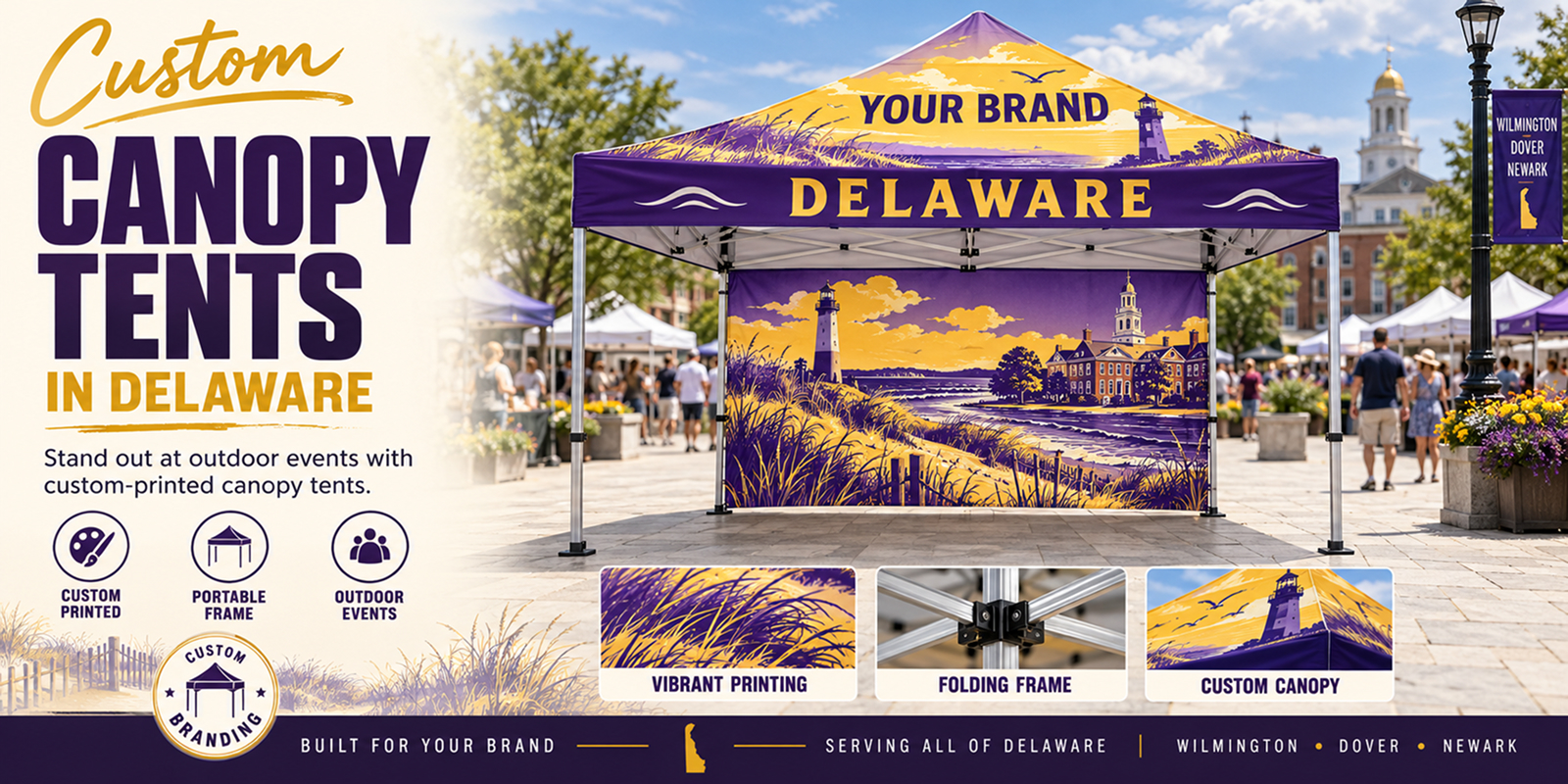
A canopy near the Delaware coast has a different workload from one operating primarily on a paved commercial property inland.
Salt-laden air can accelerate corrosion on exposed hardware. Summer sun places continuous stress on fabric and printed graphics. Sudden thunderstorms can introduce heavy rain and gusts with very little warning. Sand, asphalt, grass, and boardwalk-adjacent locations can also eliminate some anchoring methods.
The first consideration should therefore be the frame material.
Printing Limitless uses aluminum frames with adjustable telescopic legs. The 10x10 product lists a pole diameter of approximately 1.57 inches, with a maximum height of 135 inches and a minimum height of 101 inches. The 10x20 configuration uses the same aluminum-frame approach with snap-in-place height adjustments.
For Delaware's coastal environments, aluminum is particularly useful because it avoids the conventional rust concerns associated with untreated steel.
That does not mean an aluminum frame makes a canopy storm-proof. No temporary pop-up structure should be treated as a permanent shelter or left unattended in worsening weather. Proper ballast and venue-specific operating rules still matter.
The canopy top has to perform two jobs at once. It needs to protect the space underneath while carrying the visual identity of the business.
Printing Limitless uses 600D acrylic-coated polyester for its custom 10x10 and 10x20 canopy products. The fabric carries an 8 oz graphic weight, while the printing method is dye sublimation. The company also offers an eco-friendly fabric option and recycled FR fabric on the 10x10 configuration. This combination makes sense for a display that may be packed, transported, opened, folded, and transported again throughout the season.
For Delaware buyers, the more important point is to avoid selecting fabric based solely on a generic "waterproof" or "outdoor" description. Ask what the actual print material is, how it is coated, how it should be cleaned, and what documentation accompanies any fire-retardant material being supplied.
That information becomes especially important when a canopy is being used at a public gathering where the organizer or fire official has specific documentation requirements.
A common purchasing mistake is selecting the tent first and figuring out anchoring at the venue. That order should be reversed.
A grassy fairground may permit an approved staking system. A paved plaza, boardwalk-adjacent location, historic property, or protected surface may not. If ground stakes are prohibited, the canopy needs a suitable ballast solution.
Printing Limitless offers sandbag options with its custom canopy configurations, giving buyers a practical way to add weight without improvising with unrelated objects.
Do not treat a table, product case, cooler, or display fixture as a substitute for dedicated anchoring. The weight needed to stabilize the structure should be attached according to the manufacturer's or venue's requirements.
The 25 to 30 pounds per leg figure supplied as a general planning recommendation should not be presented as a universal Delaware legal requirement. Actual anchoring requirements can vary according to the venue, structure, location, weather conditions, and organizer rules.
For a Delaware buyer, the better purchasing question is simple:
What anchoring system does my specific site permit, and does the canopy package support it?
That answer should be known before setup day.
Printing Limitless provides several canopy sizes, giving businesses different ways to approach their footprint. The 6x6 model can work when space is limited, and the primary requirement is a compact branded shelter. The 10x10 provides a more conventional footprint for product presentation and customer interaction, while a 10x20 offers substantially more room for merchandise, demonstrations, seating, or a larger branded environment. The right size should therefore follow the display plan.
A business selling a small selection of products may not need the floor area of a 10x20. A company demonstrating equipment or maintaining a larger inventory may quickly find a 10x10 restrictive.
Another consideration is that more extensive coverage also changes the amount of surface exposed to wind. A bigger canopy should never be selected simply because additional floor space sounds useful. Consider the available site, permitted footprint, anchoring method, transport requirements, and the amount of space needed around the structure.
A canopy does not have to be fully enclosed to feel complete.
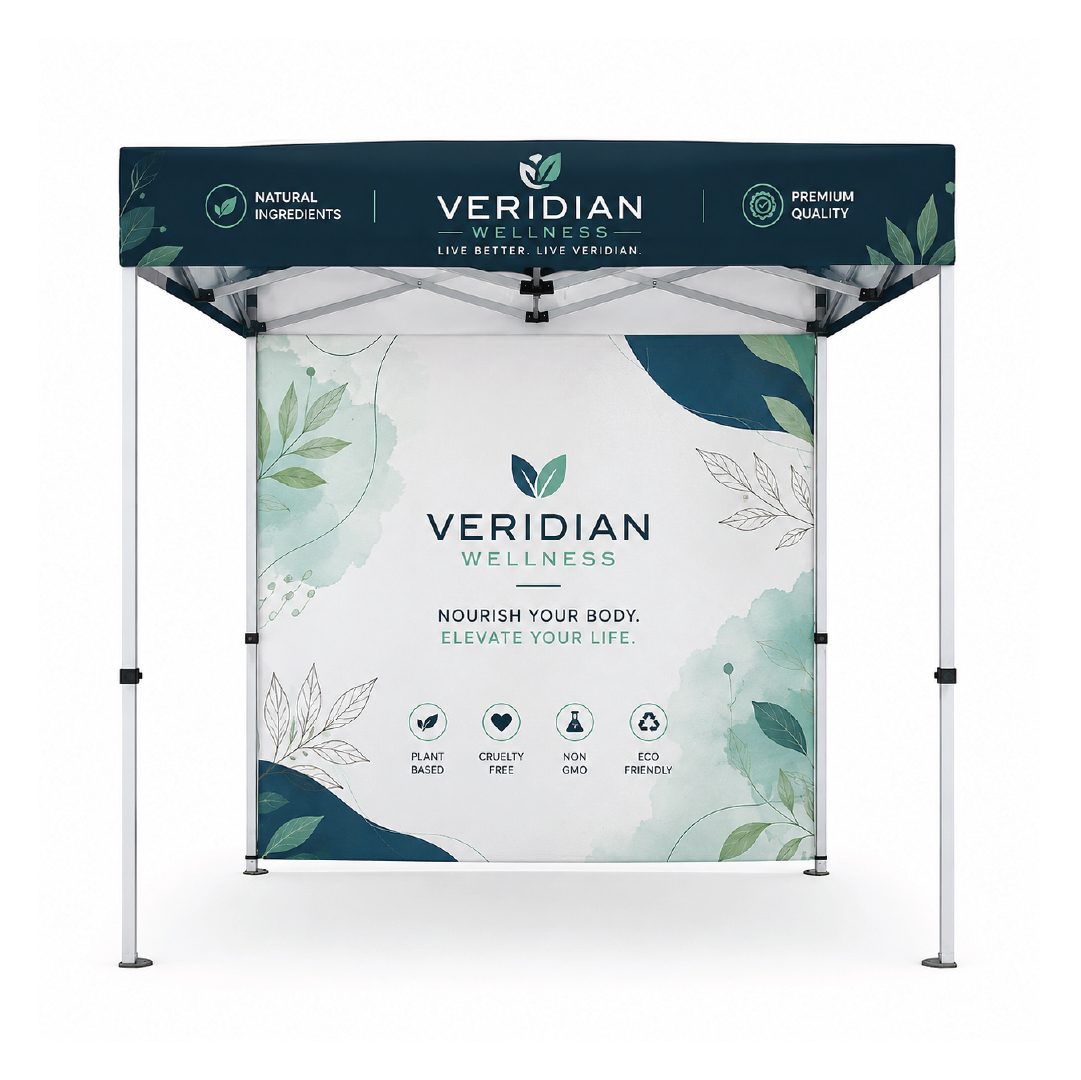
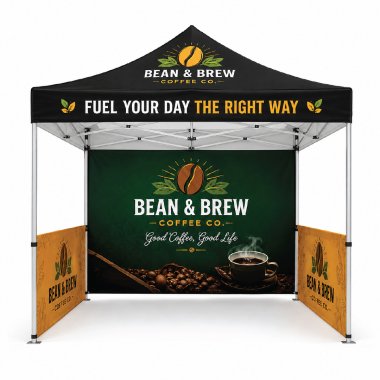
Printing Limitless offers front, back, left, and right wall configurations, including half-panel and full-panel options. Several configurations are available with printing on one or both sides, depending on the product setup.
This makes the wall package a planning decision rather than an afterthought.
Clear PVC half panels can also introduce visibility through a wall section without making the entire side opaque. Printing Limitless lists PVC clear vinyl at 17 oz with a 0.02-inch material thickness for its half-clear panel option.
The important part is to choose walls according to traffic flow rather than automatically adding four full panels.
A canopy is seen from several directions. Someone approaching from across a market may notice the roof first. A person walking directly toward the booth may see the front valance. Someone standing beside the setup may only encounter the sidewall. That makes graphic placement just as important as the artwork itself.
Printing Limitless supports custom artwork uploads and professional design assistance, with designers available to help finalize the artwork before production. The ordering process also supports design proofs, allowing the buyer to approve the final design before printing.
For a Delaware display, keep the hierarchy simple.
A strong canopy design should still make sense when someone sees it for only a few seconds while walking past.
Not every branding upgrade needs to increase the enclosed footprint. Printing Limitless offers topper attachments and optional flag-holder hardware, including a flag-holder and teardrop flag combination on its 10x10 configuration. These accessories can be useful when the main canopy already has enough wall coverage, and the objective is simply to make the booth easier to identify from a distance.
A topper can reinforce the brand above eye level, while a teardrop flag can create a separate vertical recognition point beside the canopy. This can be especially useful in open layouts where neighboring displays compete for attention.
This is an area where buyers should be careful with generalized online advice.
Delaware does have State Fire Marshal permitting and inspection requirements for certain tent and canopy uses. The state's regulations identify permits for places of assembly involving 50 or more people congregating within one tent, canopy, or other covered structure, among other situations.
The current Delaware State Fire Marshal tent permit application also requires a location drawing showing the tent and fire lanes, a certificate of flame resistance for each tent, and other inspection information. The current application lists a $100 permit fee.
That means the frequently repeated claim that "every Delaware canopy under 400 square feet is automatically permit-free" is too broad to use as a purchasing rule.
But square footage alone does not determine every Delaware permitting obligation.
The type of gathering, occupancy, location, use of the structure, and jurisdiction can matter. Wilmington, New Castle, Newark, Dover, and other jurisdictions can have their own permitting pathways. Delaware's Business First Steps guidance specifically notes that event permits in certain city limits are handled by the relevant jurisdictional fire marshal.
For buyers, the safest workflow is to confirm requirements with the venue and applicable fire authority before the canopy is ordered.
Do not wait until setup day to ask about flame resistance.
If your canopy will be used at a regulated public gathering, ask the supplier what certification applies to the fabric being purchased and obtain the documentation required by the venue or authority.
The Delaware tent permit application specifically asks for a certificate of flame resistance per tent. Printing Limitless also offers a recycled FR fabric option on its 10x10 custom canopy configuration.
That does not mean every configuration automatically satisfies every venue's requirements. Buyers should verify the exact fabric specification and certification documentation for their order.
Keep the relevant paperwork with the display rather than assuming a digital copy stored somewhere at home will be sufficient.
Delaware's state parks have their own rules around commercial activity, signs, special uses, and organized gatherings.
The state's park regulations provide that public assemblies and certain activities require approval, while commercial advertising and distribution of printed material are restricted in state parks unless permitted under the applicable rules.
That makes a state park setup different from placing a branded canopy at a privately operated market.
If you are considering Cape Henlopen State Park, Delaware Seashore State Park, or another state-managed property, confirm the site's requirements before preparing the graphics.
The state's park-related vendor documentation also indicates that DNREC can control the type, size, wording, color, and number of signs used by vendors in certain contracted park operations.
This is an important reason not to finalize an elaborate canopy graphic before understanding the property's display rules.
The 10x10 format is popular because it gives a useful balance between coverage, portability, and display area.
With Printing Limitless, the configuration can include:
These options allow the same basic footprint to serve very different purposes.
The structure remains recognizable, but the configuration changes according to the way the space will be used.
The 10x20 configuration is useful when the canopy has to accommodate several functions at once. A business might need space for product shelving, a consultation area, staff movement, customer interaction, and branded background surfaces. The additional length makes it possible to divide the footprint without needing separate structures. Printing Limitless uses a sturdy aluminum frame with telescopic legs and offers wall, topper, flag, and sandbag options for the 10x20 model.
There is also a practical transport consideration. A larger canopy requires a realistic plan for moving and storing the equipment. Printing Limitless provides a wheeled travel bag option, which can make repeated movement between locations easier. For businesses working a seasonal Delaware circuit, portability can be just as important as the finished appearance.
A custom canopy is reusable equipment, so maintenance should be built into the operating routine.
Printing Limitless recommends cleaning the tent fabric with water, a soft sponge, and mild non-detergent soap. Strong detergents and machine washing are not recommended because the fabric has a protective coating. The company also recommends ensuring the fabric is completely dry after cleaning.
That final step matters particularly in humid coastal conditions.
Never put a wet canopy into long-term storage. Allow the fabric to dry completely before folding it into its travel bag. Keep the frame clean as well, particularly around moving joints and connection points. If the canopy is used near the coast, periodically inspect the frame for salt residue and signs of wear.
Small maintenance habits can prevent a display from becoming difficult to open, dirty, or damaged during the next setup.
A canopy that is difficult to move eventually becomes a canopy that is used less often. The finished setup may look simple, but the equipment still needs to travel between storage, vehicle, venue, and booth location.
Printing Limitless offers wheeled travel bag options for its canopy products, providing a practical way to move the collapsed setup between locations. This becomes particularly useful for businesses participating in multiple Delaware locations during the same season.
A good transport routine should include:
The strongest purchasing approach is to stop treating the canopy as a standalone roof.
And the compliance documentation determines whether the setup is acceptable at a particular regulated location.
Printing Limitless brings these pieces together through its custom canopy range, with multiple sizes, aluminum frames, custom wall configurations, clear panel options, toppers, flag accessories, sandbags, design support, and proofing.
For Delaware businesses, that makes the buying process less about choosing a generic tent and more about specifying a display around the conditions in which it will actually operate.
Use this checklist before finalizing your configuration:
| What to check | Why it matters |
|---|---|
| Canopy size | Confirms the footprint works for the available site |
| Aluminum frame | Useful for repeated outdoor use and coastal exposure |
| 600D fabric | Provides a substantial fabric specification for custom outdoor graphics |
| FR fabric option | Worth considering where fire certification is required |
| Wall configuration | Controls privacy, branding, shade, and customer access |
| Clear PVC panels | Adds visibility while creating a partial enclosure |
| Sandbags/ballast | Provides a dedicated anchoring solution where staking is unavailable |
| Topper or flag | Creates additional visibility above the main canopy |
| Design proof | Allows the final artwork to be reviewed before production |
| Transport bag | Makes repeated setup and movement easier |
| Fire documentation | Important when the venue or authority requires flame-resistance certification |
| Venue approval | Confirms local rules before production and setup |
The biggest takeaway is that Delaware does not have one universal canopy setup that fits every location. A coastal market, downtown promotion, private commercial property, and state park can impose very different conditions.
Confirm the site requirements first, then build the canopy around them.