Free Shipping on Orders $99+
Use Code FLAT15 & Get 15% Off On All Orders
Choose your store
Prices, currency, and delivery follow the store you select.
Prices, currency, and delivery follow the store you select.
Hawaii changes the equation for a custom canopy. A tent used beside the coast faces salt-laden air and strong sunlight, while a setup at a farmers market has to account for moisture, anchoring, customer movement, and potentially food-safety requirements. A canopy that looks suitable in a product photograph still needs to make sense once it is transported, assembled, exposed to the elements, packed away, and used again.
That makes the frame, fabric, accessories, anchoring method, and storage routine equally important when selecting a canopy for use across Oahu, Maui, Kauai, and Hawaiʻi Island.
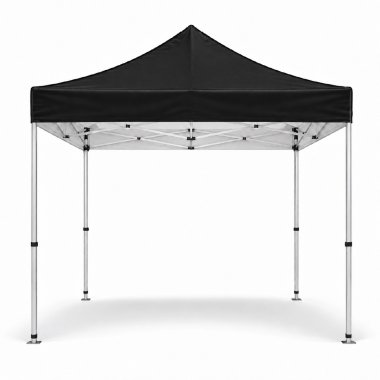
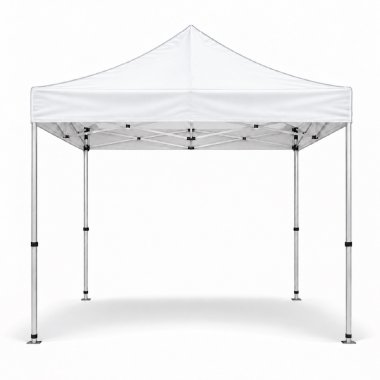
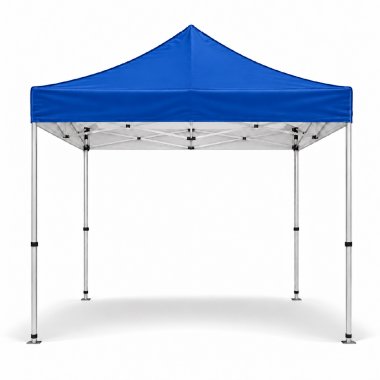
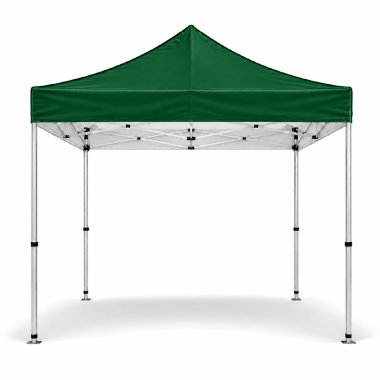
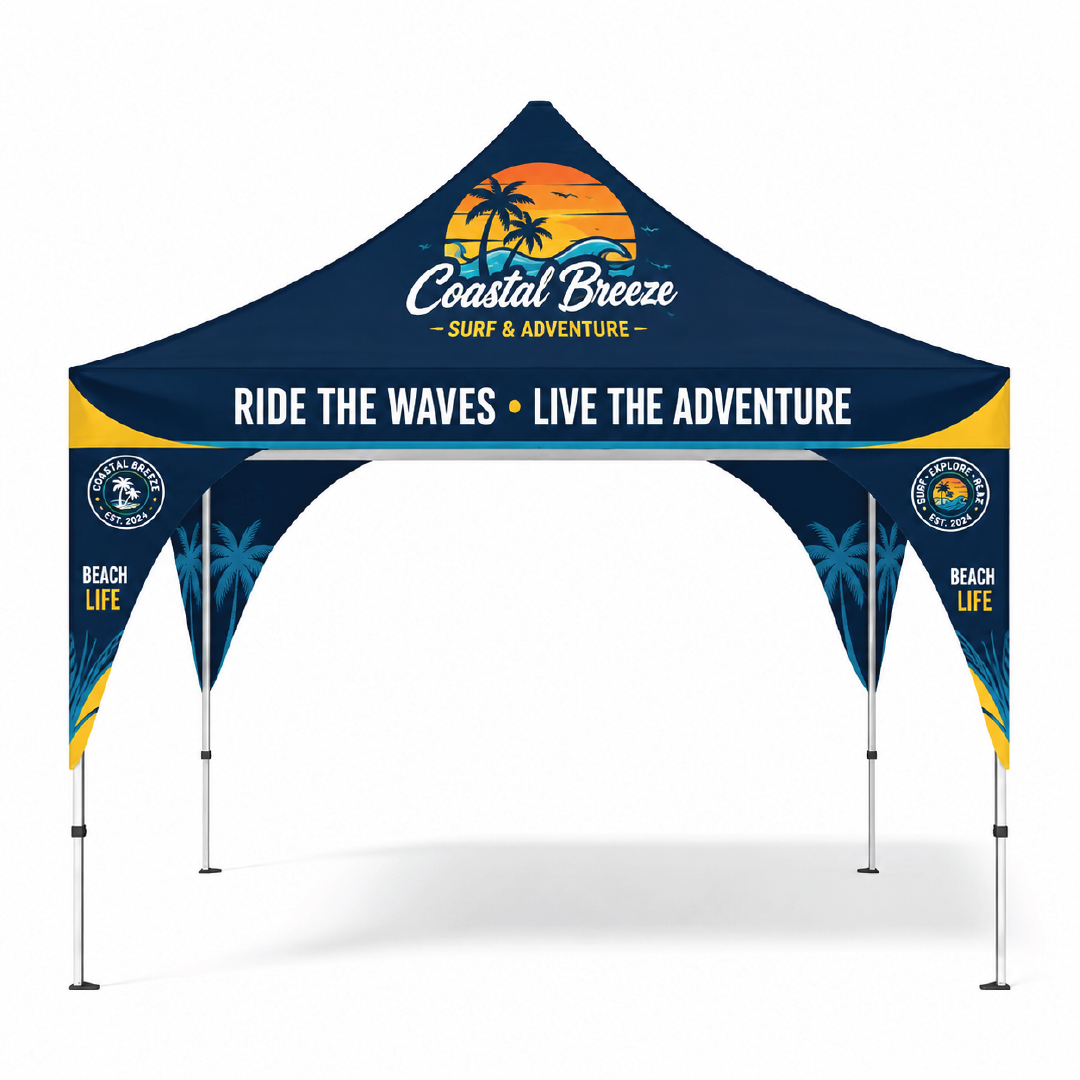
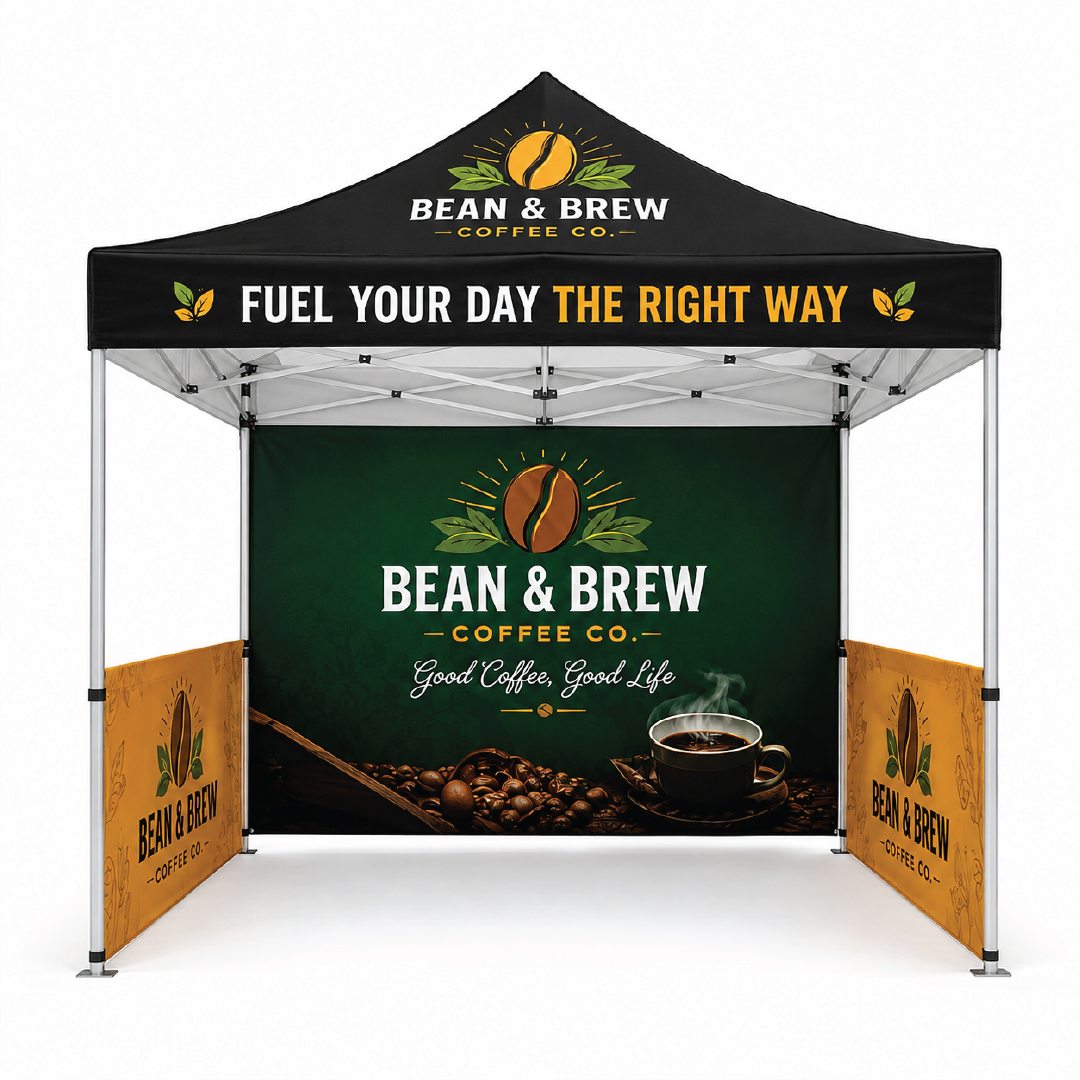
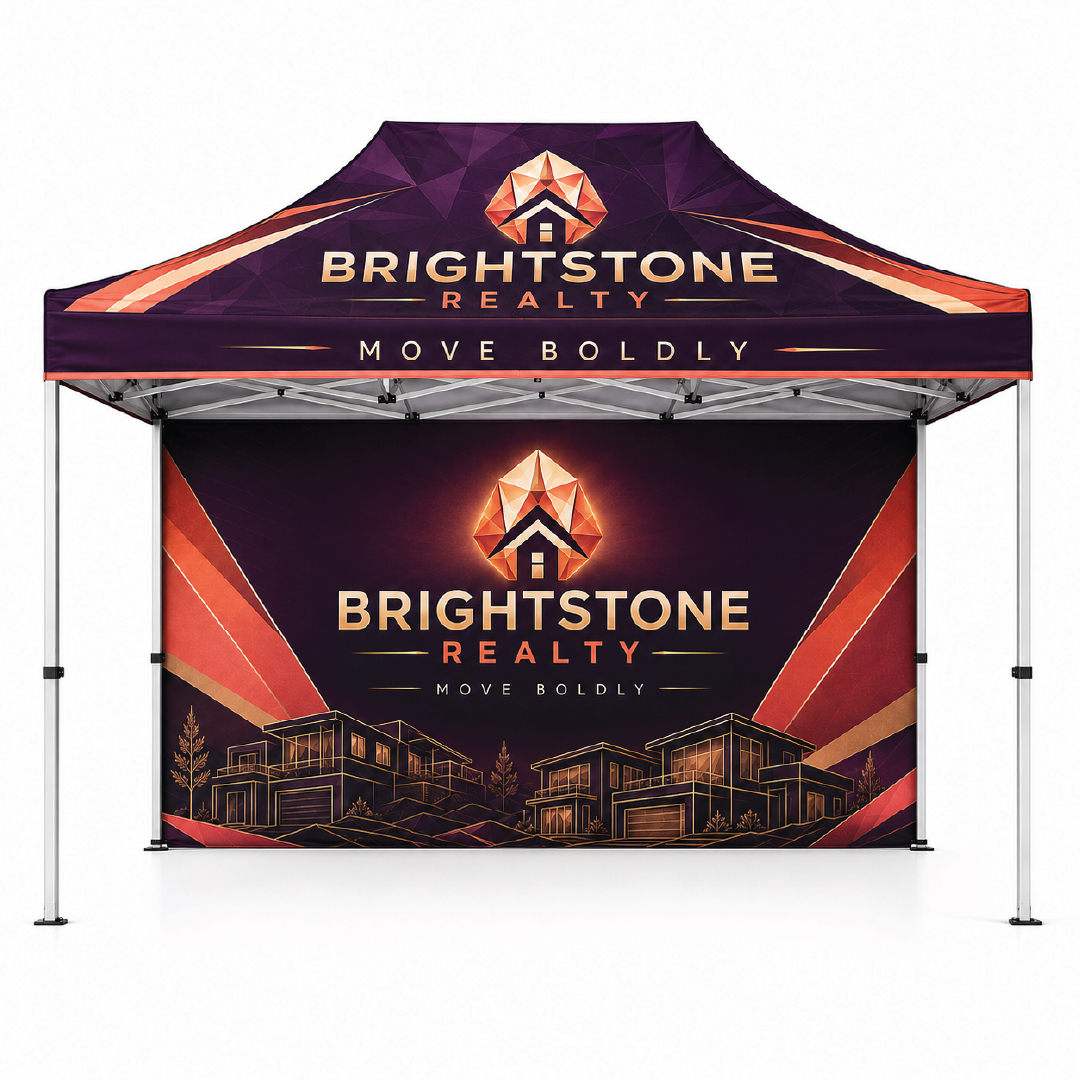
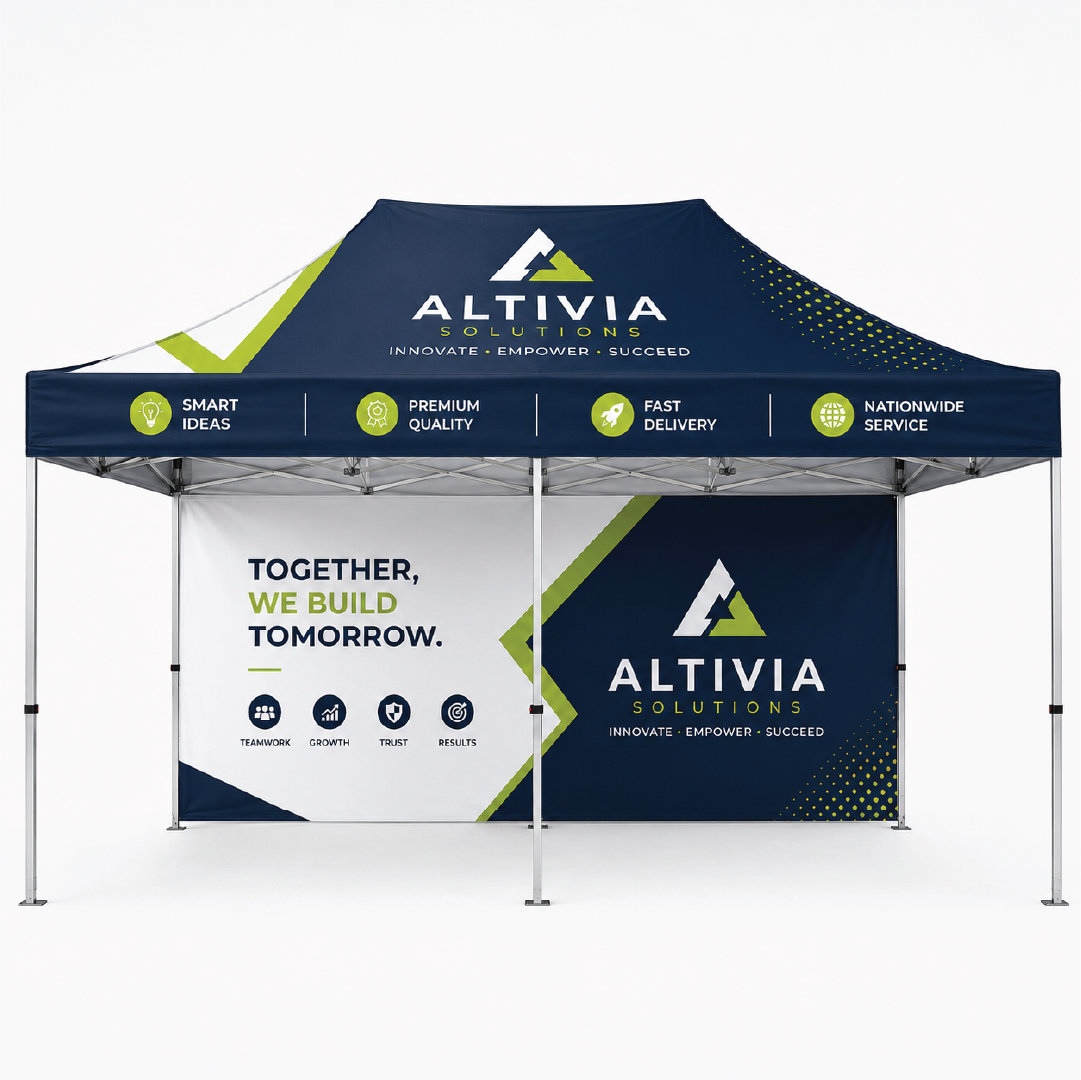
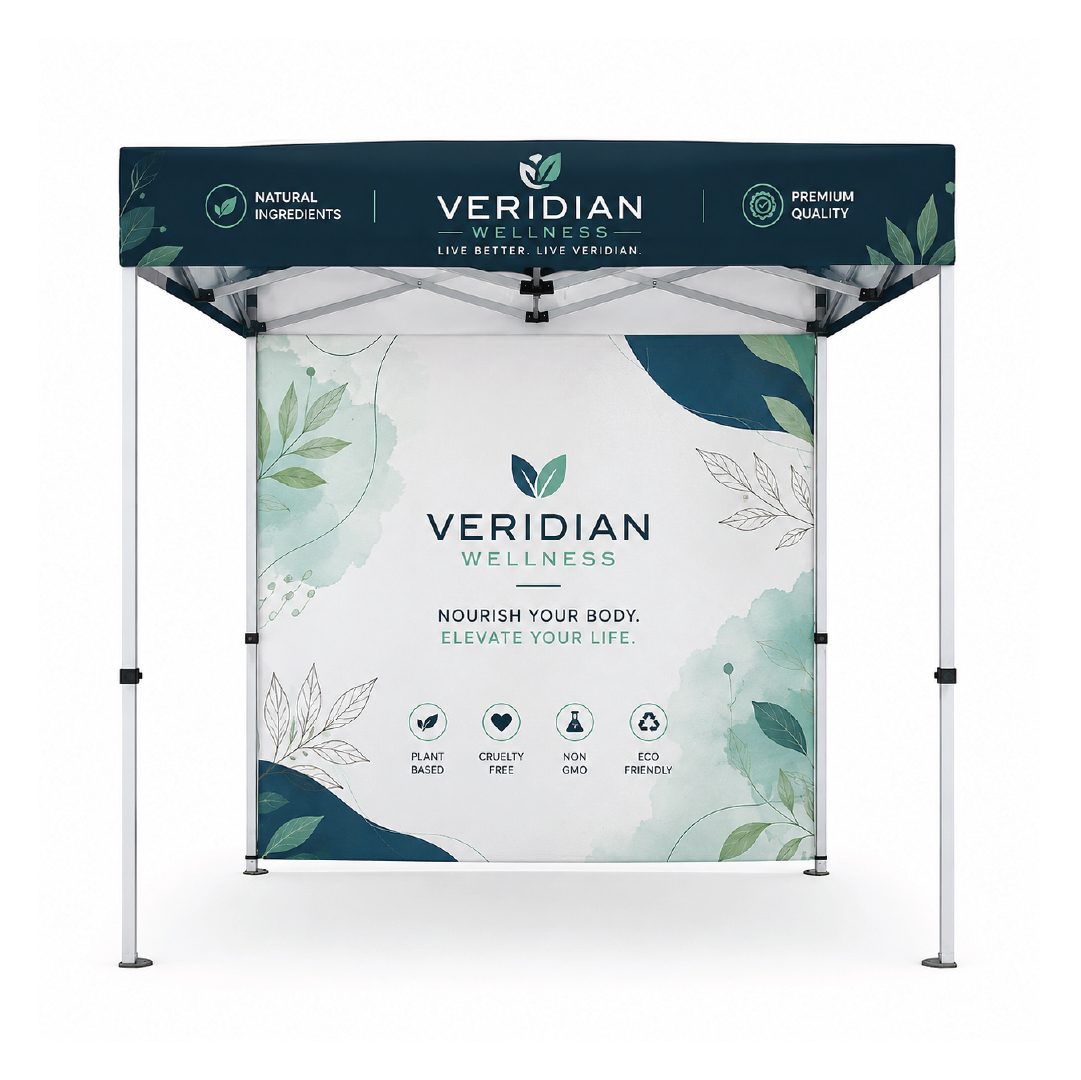
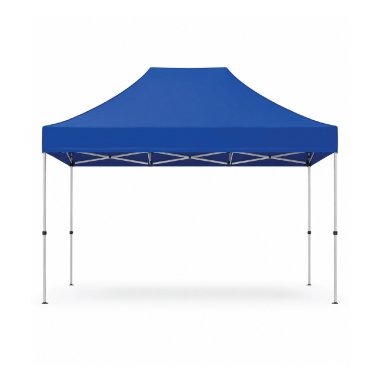
Printing Limitless offers several configurations that can be adapted to different display footprints, including 6 x 6, 10 x 10, and 10 x 20 custom canopy tents, with aluminum frames, custom fabric graphics, wall configurations, toppers, flag attachments, sandbags, and wheeled travel solutions.
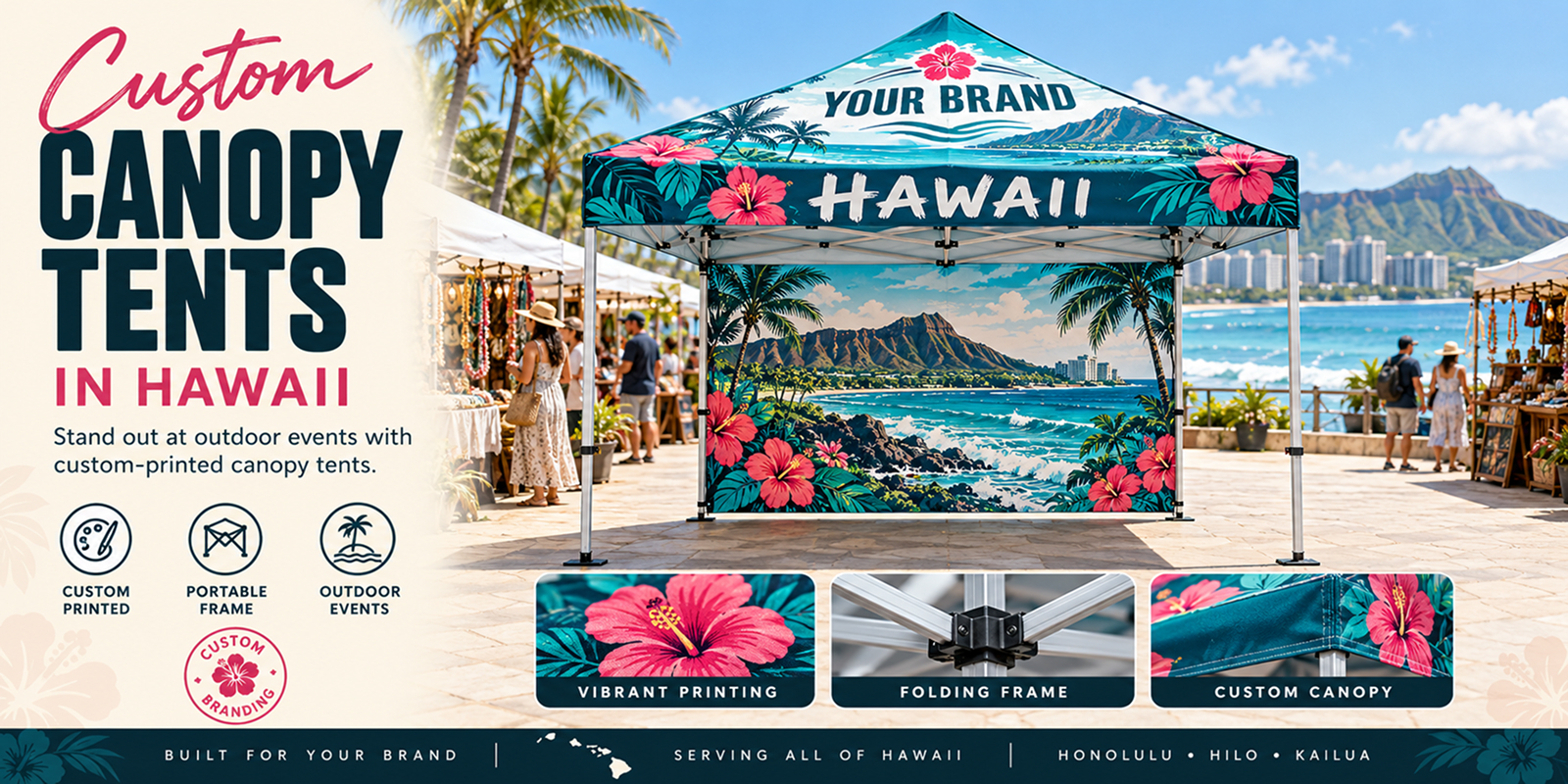
The tropical environment creates a combination that can be hard on outdoor display equipment. Strong sunlight affects fabric and graphics, while coastal moisture can work its way into metal joints and hardware over repeated use.
Instead of choosing a canopy based on fabric appearance alone, buyers should look at how the complete product handles sun exposure, moisture, transportation, cleaning, and repeated assembly.
| Component | What matters in Hawaii | Printing Limitless option |
|---|---|---|
| Frame | Aluminum construction helps avoid the corrosion concerns associated with exposed steel | Aluminum frame |
| Fabric | Dense fabric suitable for outdoor use and repeated handling | 600D acrylic-coated polyester |
| Printing | Graphics need to remain integrated with the textile | Dye sublimation printing |
| Sustainable option | Useful for brands with material sourcing requirements | Eco-friendly and recycled FR fabric options |
| Walls | Useful when additional enclosure or visual separation is needed | Full and half-panel configurations |
| Stability | Weight can be added when ground staking is unsuitable | Sandbag option |
| Transport | Important for businesses moving between locations | Wheeled travel bag |
Printing Limitless lists its canopy fabric at an 8 oz graphic weight, with both eco-friendly and recycled FR fabric options available. Its standard 10x10 and 10x20 models use aluminum frames with adjustable telescopic legs.
A canopy positioned near the coast has a different maintenance requirement from one stored and used exclusively inland. Salt-laden moisture can accumulate around hinges, slider mechanisms, locking pins, and other areas where moving metal components meet.
An aluminum frame provides a practical material choice for this environment. Printing Limitless uses aluminum frames on its custom canopy configurations, including adjustable telescopic legs with a maximum height of 135 inches and a minimum height of 101 inches, with a pole diameter of approximately 1.57 inches.
That adjustability is useful when a display needs to accommodate different site conditions or presentation requirements.
A simple post-coastal-use routine can protect the hardware:
| After setup | Recommended action |
|---|---|
| Frame exposed to salt air | Rinse accumulated residue with fresh water |
| Joints and locking areas | Check for salt buildup before folding |
| Fabric exposed to moisture | Allow it to dry completely |
| Sand or debris present | Remove it before packing |
| Long-term storage | Keep fabric and frame clean and dry |
Printing Limitless recommends cleaning the canopy fabric with warm water, a soft sponge, and mild non-detergent soap. Machine washing and strong detergents are not recommended because the fabric has a protective coating.
Hawaii businesses do not all need the same amount of covered space. A compact vendor selling a focused product line may need a small footprint, while a larger brand activation may need room for staff, merchandise, demonstrations, and customer interaction.
Printing Limitless offers several sizes that can accommodate different display requirements.
| Size | Where it can make sense |
|---|---|
| 6 x 6 | Compact promotional setups and smaller vendor footprints |
| 10 x 10 | Standard booth-style displays and everyday market setups |
| 10 x 15 | Additional room for products, staff, or customer interaction |
| 10 x 20 | Larger branded spaces requiring greater covered area |
The 10 x 10 model offers a relatively compact footprint while still providing options such as front wall panels, toppers, sandbags, flag-holder hardware, and teardrop flag attachments.
The 10 x 20 configuration provides additional covered space and uses the same general aluminum-frame approach, with wall configurations and accessory options that allow the setup to be adapted to a larger footprint.
That gives Hawaii businesses room to choose the structure around their actual selling environment rather than automatically moving to the largest available format.
Wall configurations become particularly useful when a canopy needs to perform several jobs at once.
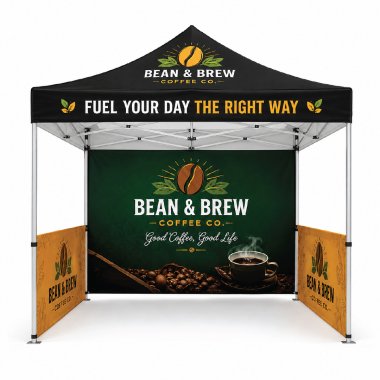
A full wall can create a more defined presentation area. A half panel can provide branding without closing the entire customer-facing side. Clear PVC panels can introduce another option when visibility needs to be retained while providing some separation.
Printing Limitless offers different front-panel configurations on its 10x10 and 10x20 models, along with half-clear PVC panels. The listed clear material is PVC clear vinyl at 17 oz and 0.02-inch thickness.
This creates a useful distinction between the canopy structure and the way the booth is configured.
| Display requirement | Potential configuration |
|---|---|
| Open customer approach | No front panel |
| Stronger branded entrance | Full front panel |
| Partial enclosure | Half panel |
| Product visibility with separation | Clear PVC panel |
| Larger branded environment | Multiple wall configurations |
| Added visibility from a distance | Topper and flag attachment |
For food sampling or merchandise demonstrations, the appropriate wall configuration should also be checked against the specific market's operating rules rather than assumed to satisfy every location.
A common mistake in canopy purchasing is treating one ballast specification as universally applicable across Hawaii.
The correct anchoring method depends on the venue, surface, canopy size, local requirements, and weather conditions.
On pavement or other surfaces where stakes cannot be driven, dedicated weights can provide a practical alternative. Printing Limitless offers four sandbags as an accessory option on its 10x10 configuration.
For larger structures, buyers should confirm the appropriate anchoring system with the venue before arriving.
| Surface | Planning consideration |
|---|---|
| Grass or soil | Confirm whether staking is permitted and what type is accepted |
| Concrete | Plan for approved ballast rather than ground stakes |
| Asphalt | Verify venue restrictions before selecting an anchoring method |
| Paved public spaces | Expect site-specific rules |
| Coastal locations | Account for wind exposure and keep ballast independently attached |
The important point is that tables, merchandise, coolers, or other booth equipment should never be treated as substitutes for dedicated structural anchoring.
The permitting information provided for Hawaii needs an important qualification. There is no single threshold that can safely be presented as the rule for every island.
The Honolulu Fire Department currently states that a permit is required to erect or operate a tent or canopy exceeding 2,100 square feet. The application requires plot plans showing distances to property lines, buildings, other tents and canopies, parked vehicles, and internal combustion engines. The listed permit fee is $200.
Honolulu's Department of Planning and Permitting separately states that commercial or religious tents and similar temporary structures require a temporary permit from the building official, with potential approvals from agencies such as the Fire Department and Department of Health depending on the installation.
Hawaiʻi County uses a different threshold for tents and temporary structures. Current county fire-prevention information lists a $50 permit for tents exceeding 700 square feet, while the county code documentation specifies that tents more than 10 feet apart are considered separate tents for that provision.
Hawaiʻi County's temporary-structure documentation also states that temporary structures covering more than 120 square feet and used for gatherings of 10 or more people can require a building permit under the cited temporary-structure provision, depending on the circumstances.
These differences make it important to identify the island, county, site, structure size, and intended use before relying on a permit threshold.
Fire-retardant requirements can depend on the jurisdiction and application. Instead of assuming that every market accepts the same documentation, ask the venue or authority having jurisdiction what certification it requires.
Printing Limitless offers a recycled FR fabric option for its custom canopy products, which can be relevant when a project requires a flame-retardant material option.
For a regulated installation, the purchasing checklist should include:
This is especially important when a canopy will be used for food operations or larger temporary structures.
A custom canopy does not have to begin with finished artwork.
Printing Limitless allows customers to upload their own artwork, use design tools, or work with a professional designer. Its product pages also provide design guidelines and a proof-approval process before production.
That workflow can be useful when the canopy has several visual components that need to work together.
For example, a Hawaii-based business can plan its:
before production begins.
The result is a canopy that functions as a coordinated display rather than a collection of separately designed surfaces.
Printing Limitless provides optional flag-holder hardware and teardrop flag attachments, giving businesses another vertical branding element alongside the canopy itself.
This can be useful at locations where several vendors occupy the same broad space. The canopy establishes the main footprint while a flag can provide an additional point of visual identification above or beside the display.
Topper attachments offer another way to extend the branded area without changing the basic canopy footprint.
These accessories are optional, but they can be selected as part of the initial configuration rather than added later when the booth layout has already been finalized.
Island geography makes transportation a practical part of canopy ownership.
A canopy that is difficult to move or repeatedly exposed to rough handling can become inconvenient even if its specifications look impressive on paper. Printing Limitless includes a wheeled travel bag option for its larger canopy configurations, while the aluminum frame keeps the structure manageable for repeated handling.
For a 10 x 20 canopy, separating the fabric from the folded frame before transport also helps reduce unnecessary friction and wear.
A sensible transport routine should include:
| Before moving | After arriving |
|---|---|
| Dry the fabric completely | Inspect frame and joints |
| Remove loose dirt and sand | Confirm all hardware is present |
| Fold fabric carefully | Check ground and anchoring conditions |
| Secure frame components | Assemble according to the manufacturer's instructions |
| Use the protective travel bag | Keep fabric away from sharp surfaces |
Tropical use can mean frequent exposure to moisture, dust, salt residue, and outdoor debris.
The cleaning method matters because aggressive detergents can damage protective treatments or affect the appearance of printed fabric.
Printing Limitless recommends warm water, a soft sponge, and mild non-detergent soap, while advising against machine washing and strong detergents. After cleaning, the canopy should be dried completely, with air drying in the sun recommended whenever practical.
That last step is particularly important in Hawaii. Packing the fabric while damp can create a storage problem even when the canopy itself performed perfectly during the day's setup.
Different businesses can approach the same product range differently.
| Business need | Suitable direction |
|---|---|
| Small promotional footprint | 6 x 6 custom canopy |
| Regular market or vendor setup | 10 x 10 custom canopy |
| Larger merchandise display | 10 x 15 configuration |
| Broad branded environment | 10 x 20 custom canopy |
| Additional visual height | Topper or teardrop flag |
| Partial enclosure | Half-panel configuration |
| Full branded enclosure | Full-panel configuration |
| Pavement setup | Dedicated ballast option |
| Sustainability-focused project | Eco-friendly or recycled FR fabric option |
The choice becomes much easier when the canopy is selected around the actual operating environment rather than around a generic idea of what a “professional tent” should look like.
Use this checklist before finalizing the purchase:
A Hawaii canopy needs to balance branding with practical operation. Printing Limitless provides that flexibility through a product range that includes 6 x 6, 10 x 10, 10 x 15, and 10 x 20 configurations, aluminum frames, 600D acrylic-coated polyester fabric, eco-friendly and recycled FR material options, dye-sublimation printing, wall configurations, clear panels, toppers, flag attachments, sandbags, and wheeled transport options.
The design process is equally flexible. Businesses can provide finished artwork or work with a Printing Limitless designer, review the design before production, and choose the combination of structure and accessories that fits their intended setup.
For a business moving between Hawaii's markets, promotional spaces, trade displays, and community gatherings, that flexibility can make the canopy easier to adapt without replacing the complete setup for every application.