Free Shipping on Orders $99+
Use Code FLAT15 & Get 15% Off On All Orders
Choose your store
Prices, currency, and delivery follow the store you select.
Prices, currency, and delivery follow the store you select.
A canopy placed beside a New Orleans street event has a different set of demands than one used at an outdoor gathering in Baton Rouge or a coastal activation around Lake Charles. The same structure may encounter intense humidity, sudden rainfall, strong gusts, limited paved space, or event rules that affect how it can be installed. That makes the purchase decision broader than choosing a color and size.
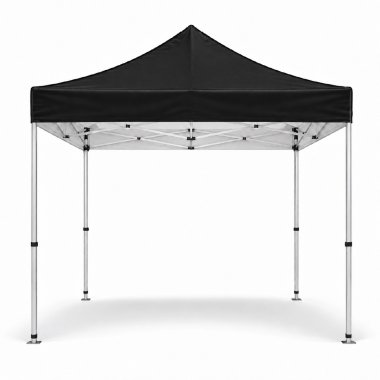
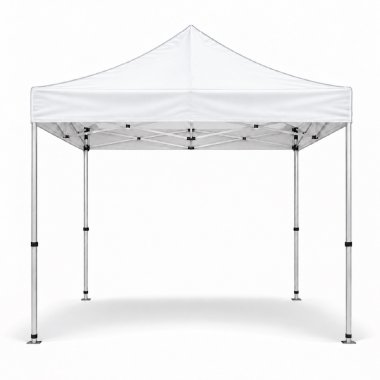
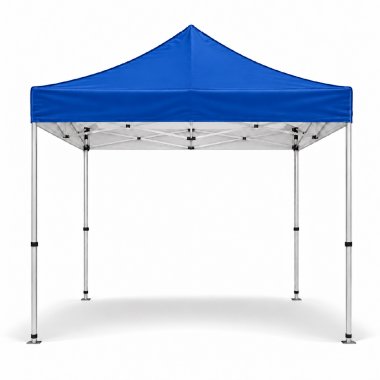
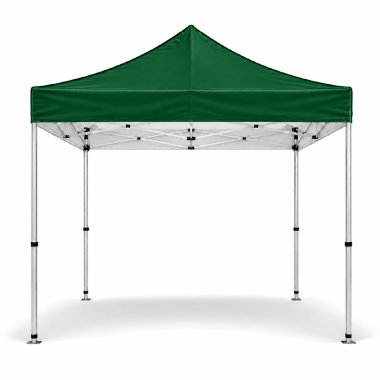
A custom canopy tent in Louisiana needs to balance portability, structural construction, fabric performance, visual presentation, and the requirements of the location where it will actually be used. A well-planned setup can provide shade and weather coverage while giving a brand a recognizable physical presence within a busy outdoor environment.
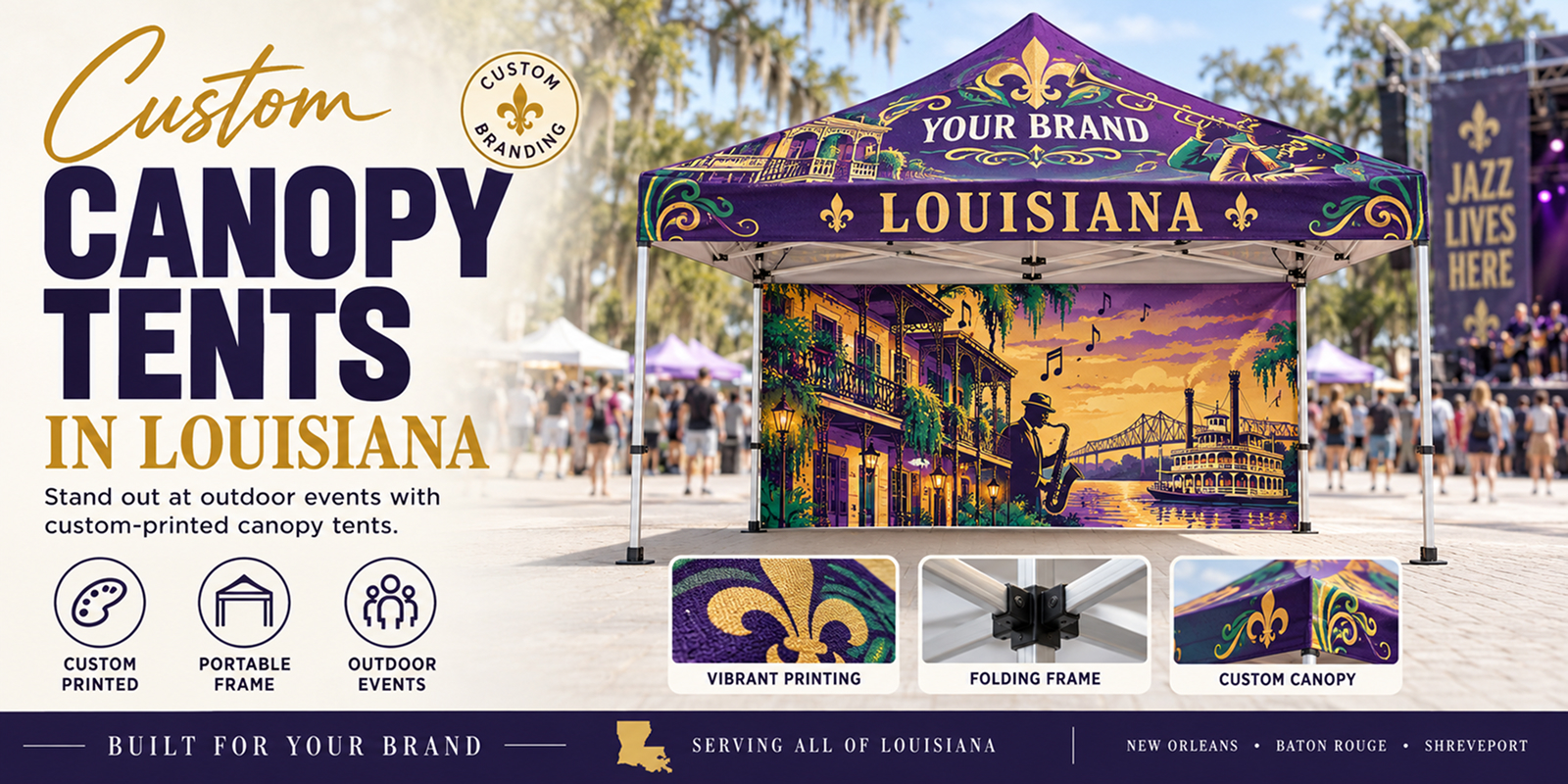
Louisiana's long, hot summers create a combination of heat and humidity that can make an enclosed outdoor space uncomfortable quickly. Gulf moisture adds another consideration for equipment that is repeatedly transported and assembled, particularly around New Orleans, Houma, and Lake Charles.
The canopy therefore needs to provide useful coverage without creating an unnecessarily enclosed environment.
A few specifications deserve closer attention:
| Consideration | Why it matters in Louisiana |
|---|---|
| Fabric density | Heavier commercial fabric can provide greater resistance to repeated outdoor use |
| Coating | Water-resistant coatings help manage sudden rainfall |
| Frame material | Aluminum avoids the rust concerns associated with exposed steel |
| Ventilation | Roof ventilation can help release accumulated hot air |
| Graphic process | Dye sublimation integrates graphics into polyester fabric |
| Wall configuration | Open and enclosed arrangements can serve different event layouts |
Printing Limitless uses 600D acrylic-coated polyester with an approximately 8 oz graphic weight on its custom canopy products. The company also offers selected recycled FR fabric and eco-friendly fabric options. The fabric specification is therefore relevant to both presentation and repeated outdoor deployment.
A canopy frame spends much of its life folded, transported, unfolded, adjusted, and packed again. That makes handling weight and structural design important alongside strength.
Printing Limitless custom canopy systems use aluminum pop-up frames with telescopic legs and adjustable height settings. The listed frame height can range from approximately 101 to 135 inches, while the pole diameter is approximately 1.57 inches. Aluminum also makes sense in humid environments because it does not develop iron-based rust in the way steel does.
For a Louisiana buyer, that can be especially relevant when the canopy travels between indoor storage and outdoor locations throughout the year. A frame that is easier to transport can also reduce the logistical burden of repeated event installations.
The frame should be evaluated as part of the complete canopy system rather than as an isolated specification.
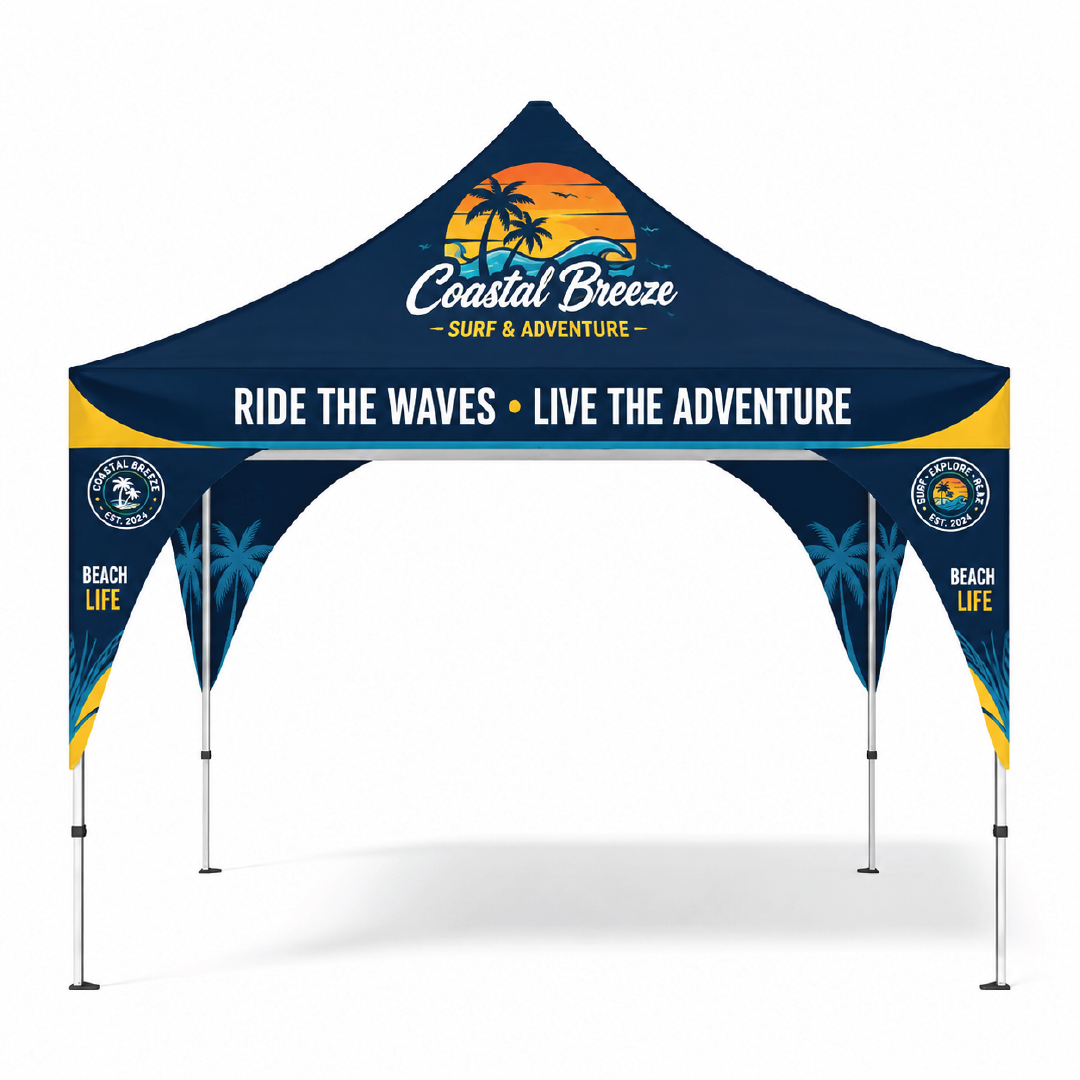
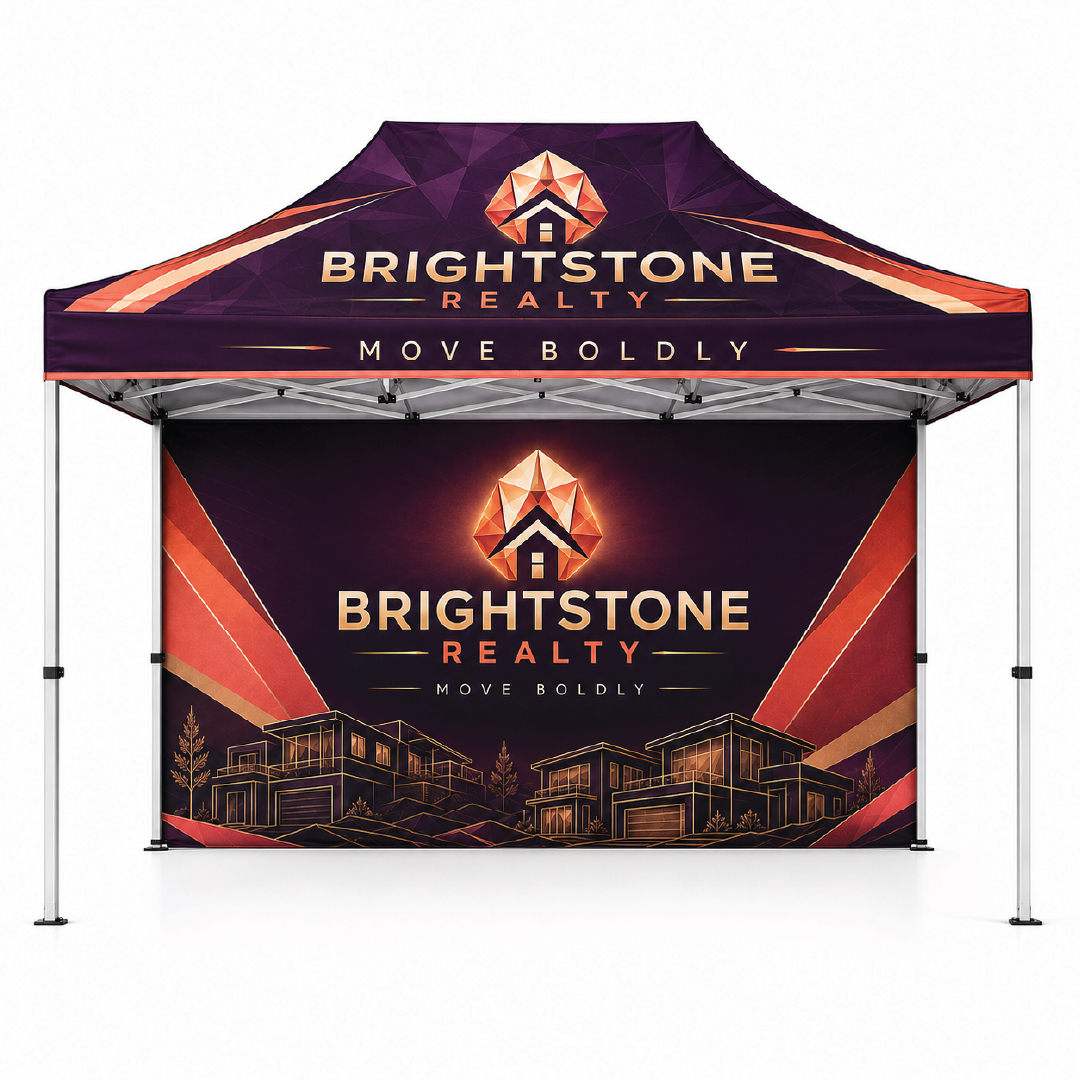
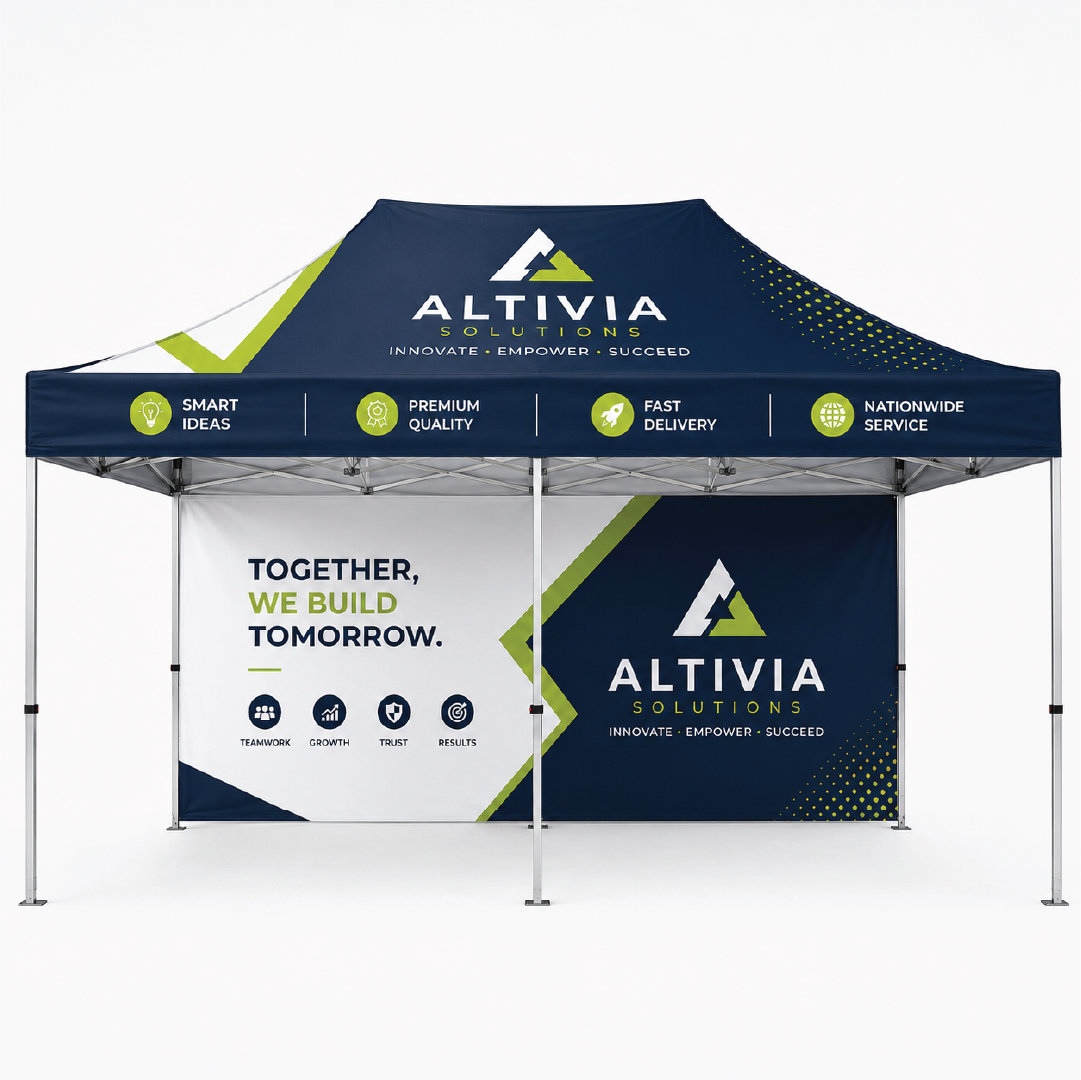
A custom canopy is a large piece of printed textile. Its graphics need to remain part of the structure's appearance while the material continues to perform outdoors. Printing Limitless uses dye sublimation printing for its custom canopy graphics. The process transfers the graphic into the polyester fibers, creating a finish suited to the repeated folding and handling associated with portable displays.
The available custom canopy configurations can incorporate brand colors and visual elements across the canopy surface, with Pantone color selection available on relevant products. This makes the canopy particularly useful when the same branded structure needs to travel between different Louisiana venues. Instead of creating a new display for every event, a core visual identity can remain consistent while supporting materials around the canopy change.
New Orleans deserves its own consideration because the city has explicit requirements governing tents, canopies, and temporary membrane structures. The city's current guidance states that tents, canopies, and similar structures erected in Orleans Parish require review by the New Orleans Fire Department's Fire Prevention Division, along with a flame-retardant certificate and plot plan. The city also requires a properly tagged fire extinguisher under each structure.
The requirements become more significant as the structure gets larger. The city specifies additional inspection and fee requirements for structures over 100 square feet or those positioned with less than 12 feet between structures. Larger structures or those in designated fire-limit areas can require additional review. That means someone planning a custom canopy tent in New Orleans should check the event requirements before ordering rather than discovering documentation needs during installation.
| Item | Why it matters |
|---|---|
| Canopy dimensions | May affect inspection or permit requirements |
| Flame-resistance documentation | Required as part of the city's tent process |
| Plot plan | May need canopy location and surrounding clearances |
| Fire extinguisher | Required under each structure under current city guidance |
| Wall configuration | Can affect exits and the layout shown on the plan |
| Cooking or heat-producing equipment | Can trigger additional fire-safety provisions |
New Orleans' current tent permit page specifically asks for the canopy's location and dimensions, nearby fire hydrants, cooking operations, and seating arrangements where applicable.
One of the easiest mistakes is selecting the canopy first and investigating the installation site afterward. New Orleans park guidance provides a good illustration. Pop-up tents may be permitted in city parks with written approval, but staking is not allowed under the stated park requirements. That changes the practical setup.
A canopy intended for a grass installation may rely on permitted stakes and tie-downs. A structure going onto pavement cannot make the same assumption. The event organizer may specify ballast, attachment methods, or restrictions around pedestrian pathways. The anchoring strategy therefore belongs in the planning stage.
Before an event, establish:
This is particularly important when the canopy will be installed in a dense event environment where poorly positioned equipment can interfere with movement.
A portable event canopy is designed around temporary deployment. That distinction becomes particularly important when conditions deteriorate. Strong wind, thunderstorms, lightning, or other severe conditions can change the safety calculation rapidly.
The University of Alabama's temporary-structure guidance, for example, requires temporary structures to be designed for specified wind conditions and calls for disassembly when high winds are anticipated. The underlying principle applies broadly to temporary outdoor structures: a manufacturer's canopy rating should not be treated as permission to operate through severe weather. Louisiana's exposure to tropical systems makes this distinction especially important.
A commercial canopy tent should therefore be viewed as event equipment that requires an operating plan, rather than as a permanent shelter that can simply remain standing regardless of conditions.
Printing Limitless offers several canopy footprints:
The smallest configurations can work where the assigned footprint is tight. Larger formats provide additional room for displays, equipment, visitor interaction, or multiple functional areas.
The choice should begin with the available event footprint and then work inward.
| Question | What it helps determine |
|---|---|
| How much space is assigned? | Maximum canopy footprint |
| Will visitors enter the structure? | Required circulation area |
| Will displays sit inside? | Usable interior dimensions |
| Are walls required? | Available access points |
| Is equipment being used? | Floor-space requirements |
| Are there venue clearances? | Actual installation footprint |
A 10 x 20 structure may provide generous interior room, but that does not make it the right selection for every event. Conversely, choosing a smaller canopy simply because it is easier to transport can leave too little room for the intended presentation.
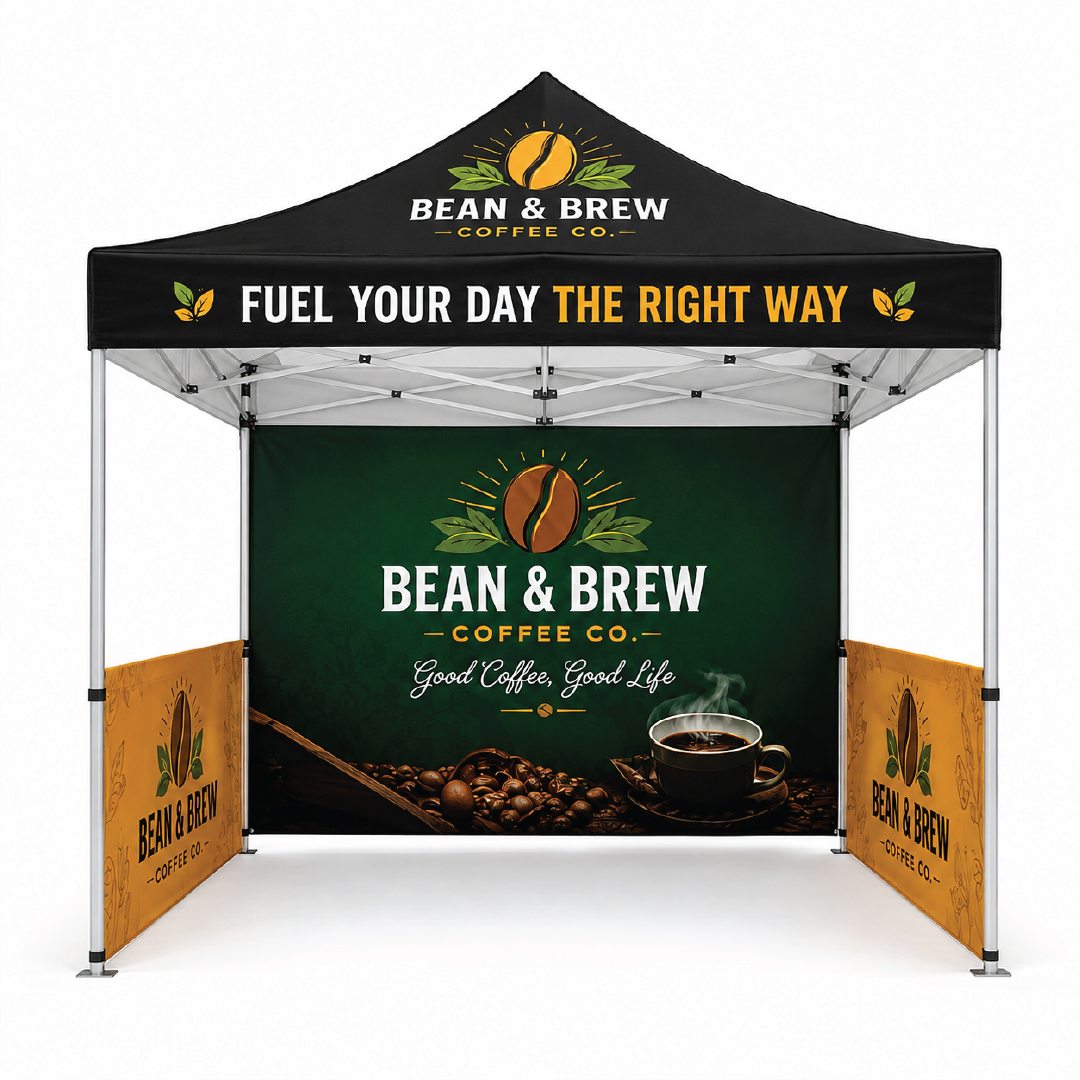
Walls have a practical role beyond adding additional printed surfaces. An open canopy keeps the interior accessible from multiple directions. Partial walls can create separation while maintaining a welcoming entrance. Full walls can establish a more enclosed environment when privacy, display control, or weather protection becomes important.
Printing Limitless offers different wall configurations across its canopy range, including half and full walls and selected clear PVC panel options. Clear panels can be particularly useful when maintaining visibility matters while a physical barrier is still needed. The important decision is to establish how people should enter, move through, and interact with the space before deciding how much of it should be enclosed.
The environment around Lake Charles and Houma brings additional moisture and coastal exposure into consideration. Aluminum becomes attractive here because it is naturally resistant to the corrosion associated with iron-based metals. A powder-coated steel frame can still be appropriate in many situations, but scratches or coating damage can expose the underlying steel to moisture.
For equipment that is repeatedly transported and adjusted, minimizing corrosion concerns can simplify long-term handling. The same principle applies to fabric selection. Commercial-grade polyester with an appropriate coating can provide better protection against rain and repeated outdoor use than lightweight recreational fabrics. That does not mean a canopy should be treated as storm-proof. No portable pop-up structure should be relied upon as shelter during severe weather.
The difference between an event held on private property and one held in a public park can be substantial. New Orleans' park guidance states that pop-up tents may be permitted with written approval but prohibits staking in those park settings. Major events also involve additional planning around tents, vendors, sanitation, security, insurance, and other event elements.
That makes a portable canopy tent particularly useful when its stabilization system is planned around the actual venue. The canopy should arrive with the necessary ballast and accessories rather than relying on the assumption that the ground will accept stakes.
Louisiana has specific regulations concerning tents and tenting materials, including provisions addressing specifications, certification, and labeling.
New Orleans takes the documentation requirement further through its permitting process, which asks applicants to submit a certificate of flame resistance or retardancy for tent fabric.
Printing Limitless offers a recycled FR fabric option on its 10 x 10 custom canopy, providing another material choice when an event organizer has particular fire-related documentation requirements.
Buyers should verify the documentation needed for the specific event instead of assuming that every canopy or fabric option satisfies every venue.
Before ordering, narrow the decision down to the details that actually affect the event:
Location
Structure
Fabric
Installation
Documentation
This approach avoids paying for specifications that have little relevance to the actual event while preventing critical requirements from being overlooked.
A successful custom canopy tent in Louisiana begins with the setting, not the artwork.
The event location determines the footprint. The footprint influences the frame and wall configuration. The venue requirements can affect anchoring and documentation. The climate then informs material and operating considerations.
Graphics sit on top of that foundation and turn the structure into a recognizable branded space.
Printing Limitless offers custom canopy tents, aluminum pop-up frames, dye-sublimated graphics, multiple sizes, wall configurations, recycled FR fabric options, and accessories that allow the setup to be configured around different event requirements.
For an outdoor activation in New Orleans, an exhibition in Baton Rouge, a community event in Lafayette, or a coastal setup near Lake Charles, the same branded canopy can serve a different purpose when the configuration is planned around the site.