Free Shipping on Orders $99+
Use Code FLAT15 & Get 15% Off On All Orders
Choose your store
Prices, currency, and delivery follow the store you select.
Prices, currency, and delivery follow the store you select.
A vendor space in Massachusetts can change considerably between a farmers market, town festival, sporting event, business promotion, and outdoor exhibition. The display still needs to look organized, remain functional throughout the event, and give customers an easy way to identify the business.
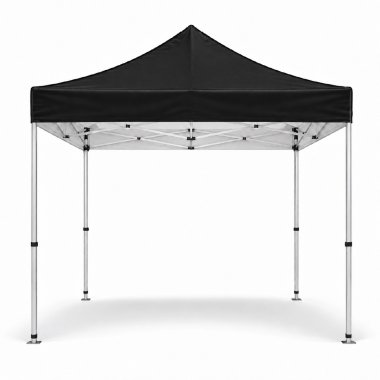
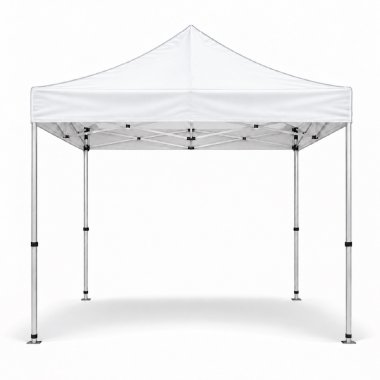
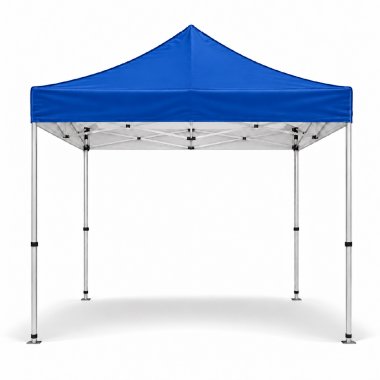
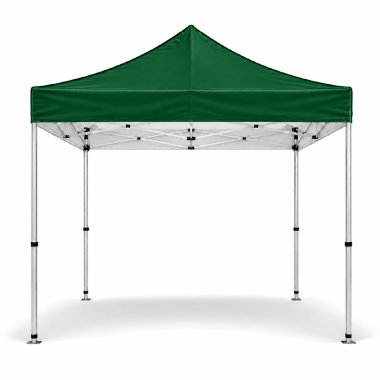
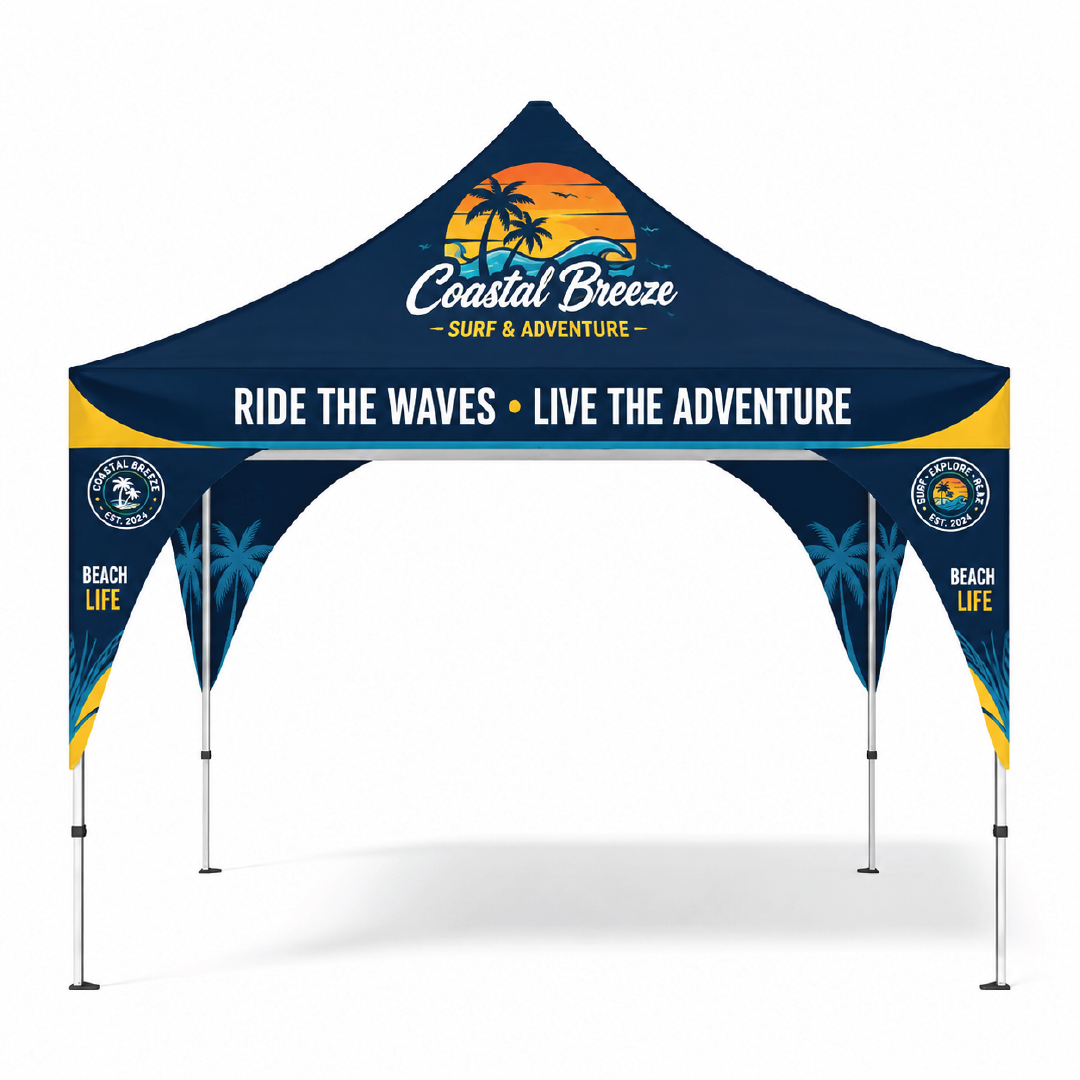
That makes the canopy an important part of the setup rather than simply a source of overhead coverage. A well-planned custom canopy tent can establish a defined selling or interaction area while carrying the same brand identity across different events.
For Massachusetts businesses attending recurring markets and outdoor events, custom canopy tents in Massachusetts offer a practical way to create a consistent presence without rebuilding the entire display for every occasion.
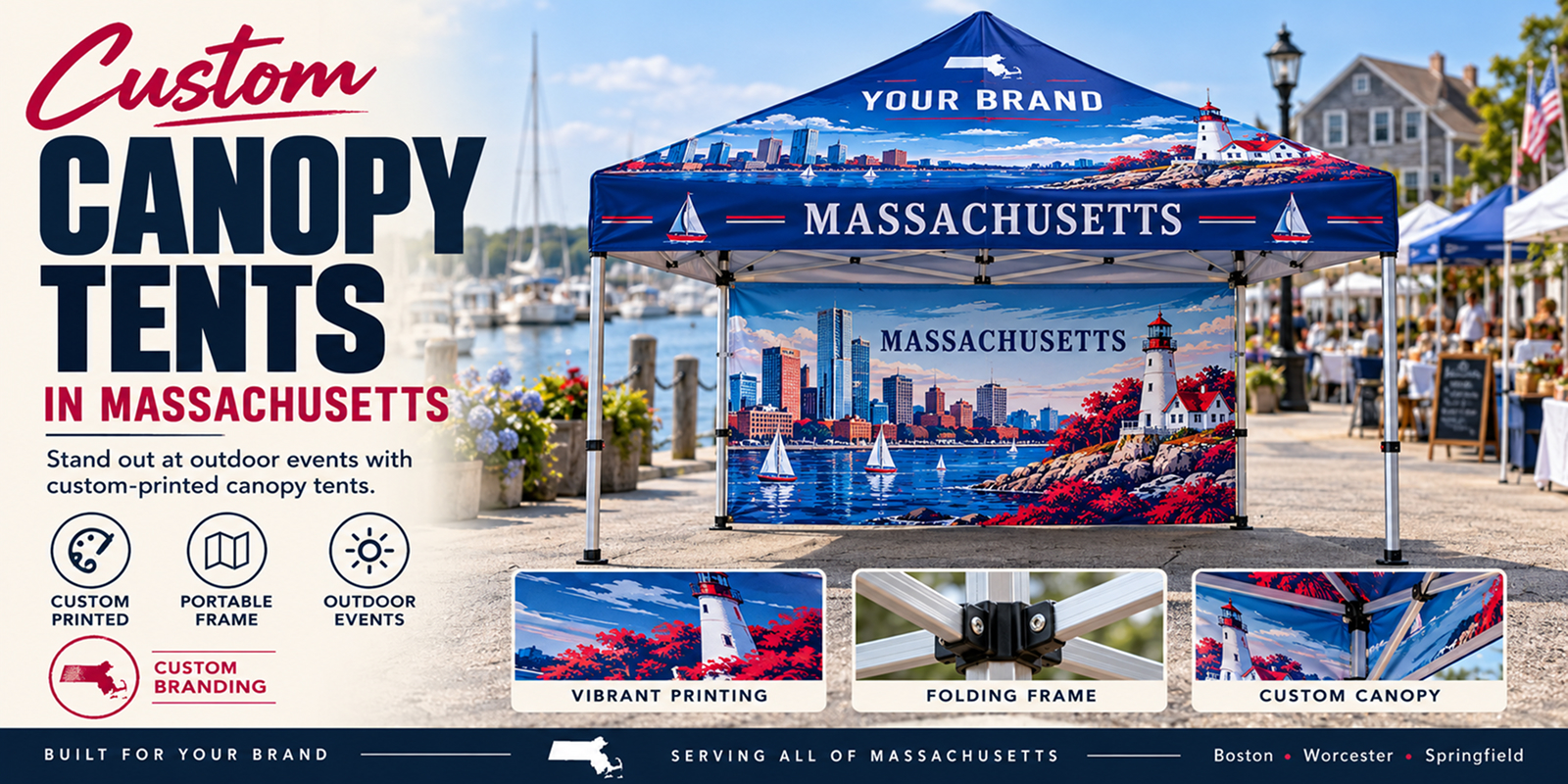
The canopy configuration should reflect how the space will actually be used. Businesses focused on product sales may benefit from a more open layout that keeps merchandise accessible, while service-based booths can use additional enclosed space for demonstrations or customer conversations. Food vendors may need greater coverage around preparation and serving areas, while organizations using the booth for registration or outreach can prioritize clear access and visible messaging. These requirements should guide the choice of canopy size, wall arrangement, and graphic placement before production begins.
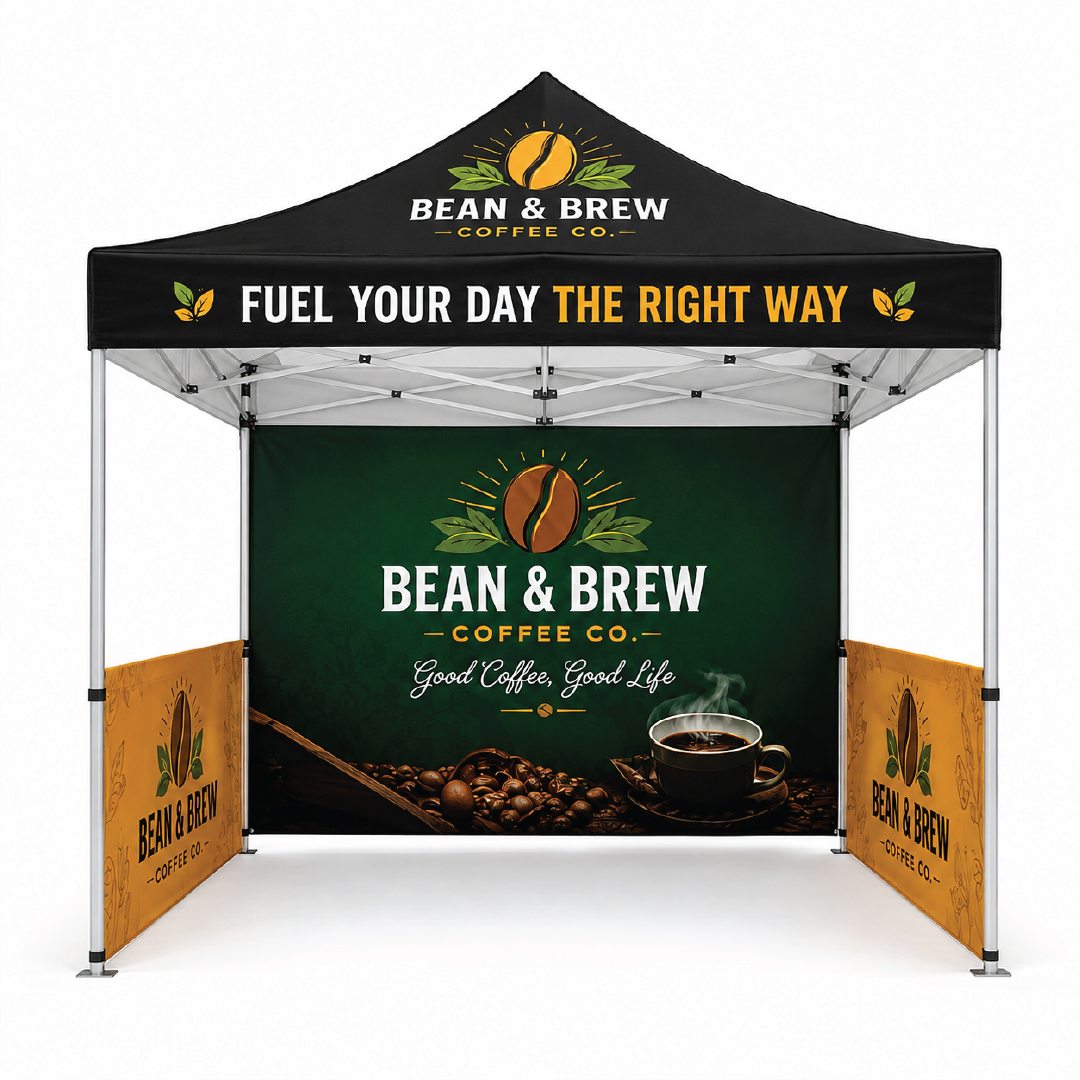
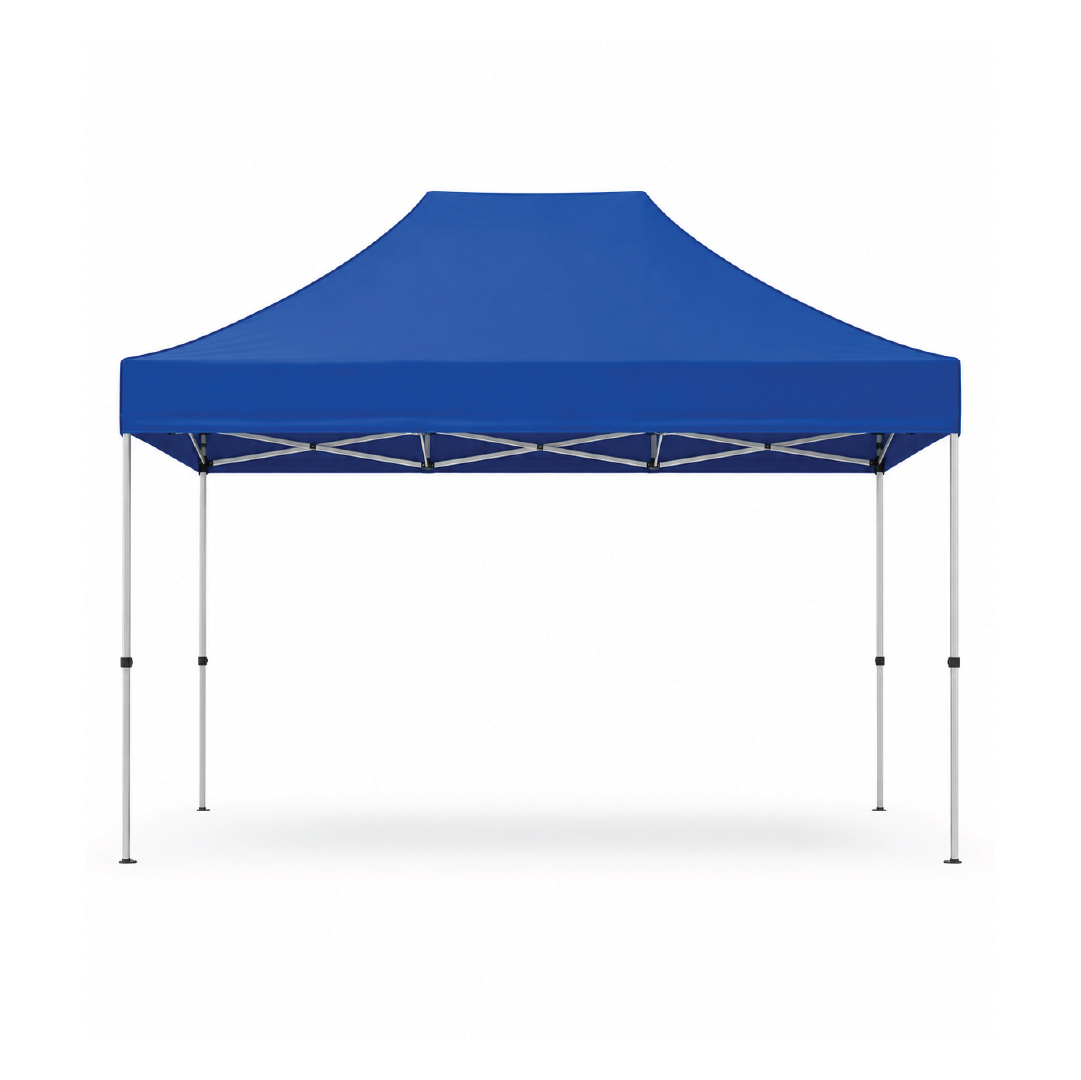
Printing Limitless offers custom canopy tents with configurable front, back, and side wall options. Depending on the selected product, businesses can choose half panels, full panels, single-sided graphics, or double-sided graphics. Topper and flag attachments are also available on selected models. The result is a setup that can be organized around the business instead of forcing every vendor to use the same booth arrangement.
Farmers markets are a particularly relevant setting for a branded canopy tent. Massachusetts guidance for farmers market vendors recommends a pop-up tent as shelter for produce, along with a clearly identified sign showing the farm or business name and products being sold. The state also emphasizes clean, organized displays and readable pricing.
A custom canopy can bring several of those visual elements into one coordinated structure. The business name can remain visible while tables underneath handle the actual product presentation. Additional printed walls can provide branding behind the merchandise without taking up valuable table space. This approach can be useful for vendors participating regularly in markets around Boston, Worcester, Springfield, Cambridge, and other Massachusetts communities.
The frame is one of the less visible parts of a canopy, yet it affects transportation, setup, and long-term use. Steel frames are generally heavier and can make sense when portability is less important. Aluminum is commonly selected for mobile event displays because it reduces the weight that teams need to transport and handle during setup.
Printing Limitless custom canopy products use aluminum frames with adjustable layers and telescopic legs. The 10 x 10 model has a listed stand weight of approximately 37.48 pounds, with height adjustment between 101 and 135 inches.
For a Massachusetts business that moves between different venues, a lighter commercial frame can make repeated setup and breakdown more manageable. The frame should still be secured correctly for the venue and conditions. A canopy is an open structure that can catch wind, so anchoring equipment should be treated as part of the setup rather than an optional afterthought.
Canopy fabric has to handle repeated folding, transportation, setup, and exposure to outdoor conditions. Commercial-grade polyester is commonly identified by denier count, which describes the density of the yarn. Higher denier fabrics are generally used where greater resistance to puncturing and tearing is needed.
Printing Limitless uses 600D acrylic-coated polyester on its 6x6 custom canopy, with an 8 oz graphic weight. Its 10 x 10 model offers eco-friendly tent fabric and recycled flame retardant fabric options, also listed at 8 oz.
The coating and construction also matter for moisture resistance and maintenance. A canopy that is repeatedly packed away should be completely dry before storage to help protect the fabric and printed graphics. This becomes particularly relevant for businesses using the same portable canopy tent throughout an event season.
The most useful canopy size is determined by what the booth needs to accommodate. A 10 x 10 canopy provides a defined footprint for many vendor spaces. It can leave enough room for tables, merchandise, promotional materials, and customer interaction without requiring a large event allocation.
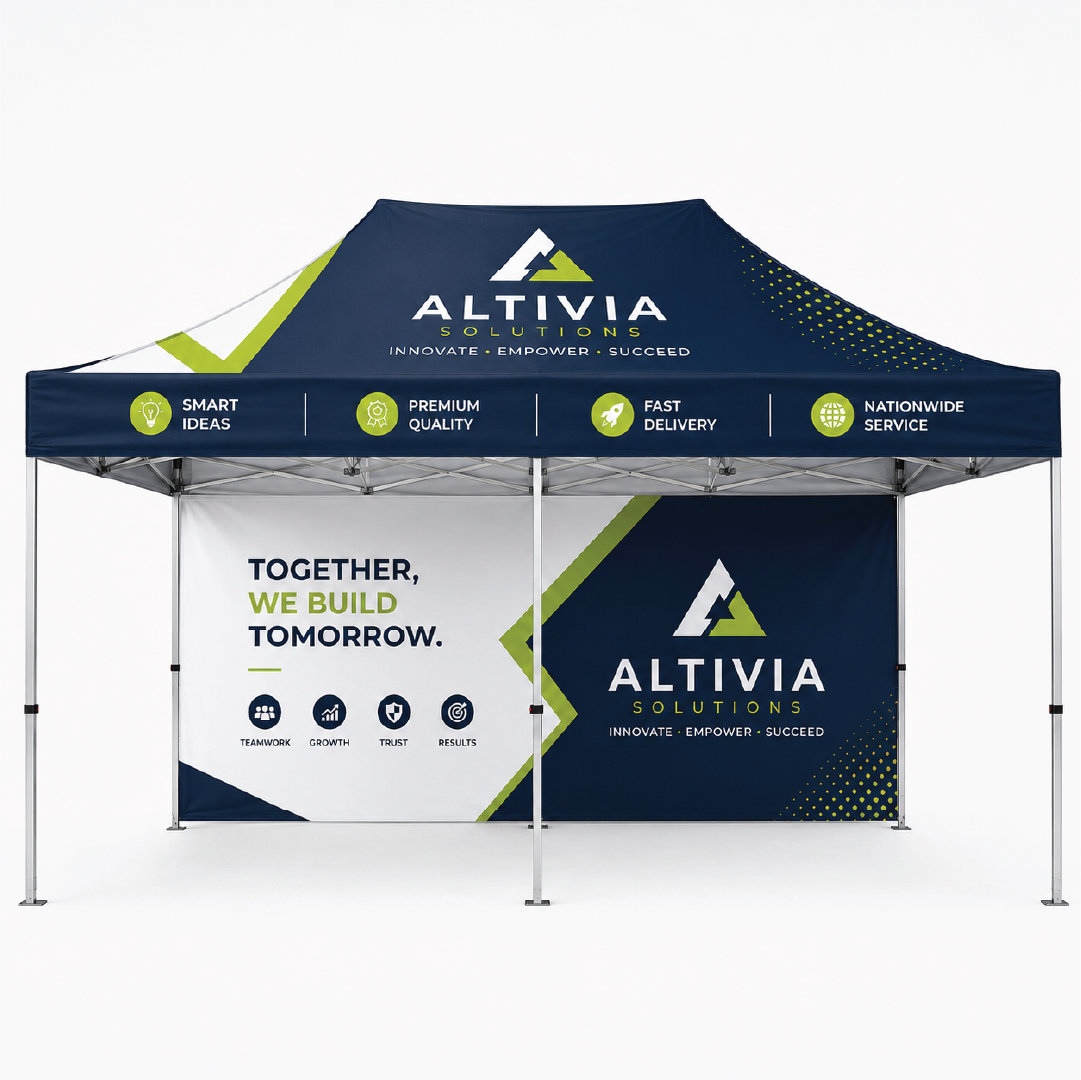
A 10 x 20 structure makes sense when the booth needs greater capacity. It can accommodate a broader product selection, multiple staff members, demonstrations, hospitality areas, or a more substantial branded environment.
Printing Limitless offers 10 x 10 and 10 x 20 custom canopy configurations, along with a 6x6 option for businesses working within smaller spaces. The assigned booth dimensions should always be confirmed before ordering. A larger canopy is useful only when the event provides enough space for it.
Event organizers and local authorities can impose requirements covering tent size, placement, fire safety, anchoring, cooking equipment, and other temporary structures.
Massachusetts building guidance identifies specific permitting thresholds for temporary tents and canopies. State guidance notes that temporary tents exceeding 400 square feet, or certain aggregate open canopy arrangements exceeding 700 square feet, can trigger building permit requirements. Local requirements and other code provisions may apply as well.
Boston provides another example. The city states that outdoor public events using a canopy or tent measuring 400 square feet or larger require a Boston Fire Department tent permit. It also identifies separate requirements for food vendors and outdoor cooking.
For a standard 10 x 10 vendor canopy, these thresholds may not be the central issue. Still, event-specific rules should be reviewed before ordering, particularly when several tents will be used together.
Fire safety requirements can become particularly important in exhibition halls, temporary structures, festivals, and other public settings.
Massachusetts event guidance can require flame retardant materials for tents and other fabric elements. A 2026 Massachusetts building exhibitor manual, for example, states that pop-up tents used at the referenced event must have flame retardant ratings.
That does not mean every Massachusetts event follows the same process. Venue rules, local fire requirements, and the size and use of the temporary structure can affect what documentation is required.
Buyers should check the event's requirements and confirm the certification documentation available for the specific canopy they are ordering. Relevant standards can include NFPA 701 or CPAI 84, depending on the product and application. The certification should be verified for the actual fabric rather than assumed based on the general category.
Food businesses have another layer of considerations when selecting event canopies. Massachusetts treats food operations at farmers markets, fairs, carnivals, celebrations, fundraisers, and similar events as non-permanent food operations that can require a Temporary Food Establishment permit. Local boards of health are involved in permitting and enforcement.
The canopy can also become part of the food safety setup. Massachusetts guidance requires overhead protection for temporary food establishments, while walls may be used to protect food, equipment, utensils, and employees against weather, wind-blown dust, debris, insects, or other contamination sources.
A food vendor therefore needs to consider the canopy alongside tables, equipment, food protection, handwashing facilities, storage, and local permit requirements. Boston's farmers market guidance also points vendors toward additional permits and approvals depending on what they sell and how the market operates.
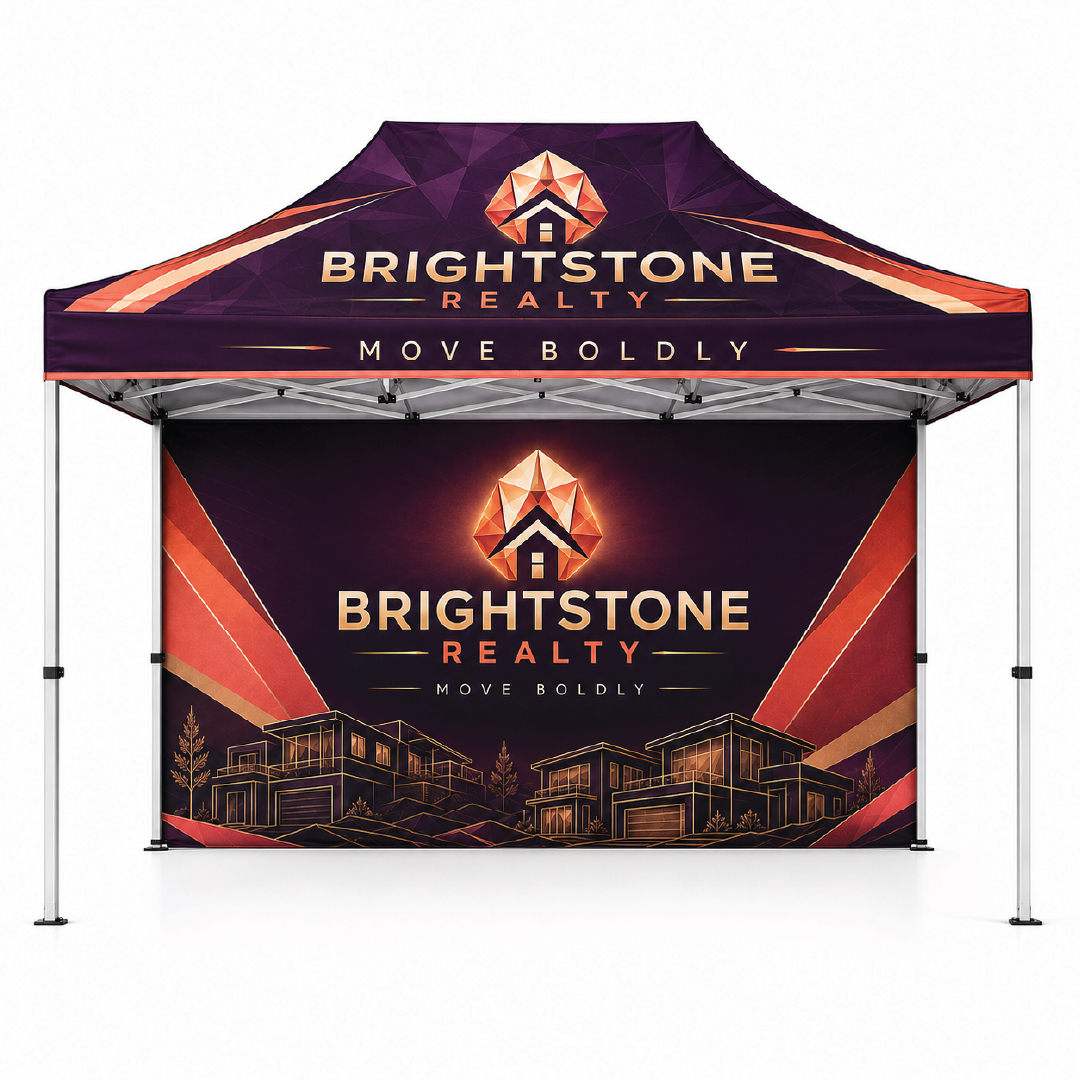
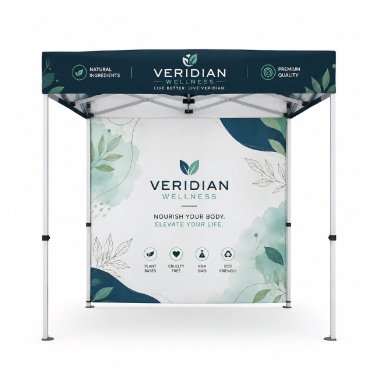
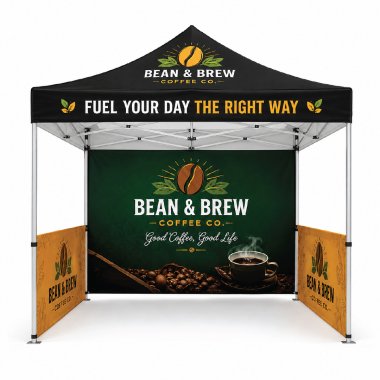
Full coverage graphics are not automatically necessary on every canopy. A business may want a large branded back panel while keeping the customer-facing sides open. Another vendor may need side panels to provide additional protection around its products. A service company might use a more enclosed arrangement to create a defined conversation area.
Printing Limitless provides different wall configurations that allow businesses to make these decisions based on the booth's purpose. Its 10 x 10 canopy can be ordered with selected full panel options, while the 6 x 6 model provides multiple front, back, and side panel configurations.
This also keeps the graphic design connected to the physical layout. A logo intended for a rear wall should be designed around that panel rather than treated as a generic image stretched across every surface.
Canopy tent printing works best when the artwork is planned for viewing at event distance. The business name and logo should remain clear. Supporting information can include a website, short message, phone number, social handle, or concise description of the products and services.
Printing Limitless uses dye sublimation printing on its custom canopy products, allowing full color artwork to be applied to the selected fabric surfaces. Pantone color matching is also available on selected models for businesses that need closer alignment with established brand colors.
Artwork can be supplied in formats including PDF, SVG, AI, EPS, TIFF, PSD, PNG, and JPG. Printing Limitless also provides design support when a business needs help preparing its canopy artwork. A design proof should be reviewed before production, so important text, logos, colors, and panel placement are correct.
A canopy that is purchased for one event has a different value proposition than one used repeatedly throughout the year. Massachusetts businesses may move between farmers markets, seasonal festivals, outdoor promotional events, sporting activities, community gatherings, and corporate events. The same structure can serve these occasions while the interior display changes according to the products or activity. That makes portability and storage important purchasing considerations.
Printing Limitless offers an optional wheeled travel bag for selected canopy products, while the aluminum pop-up frame is designed for repeated setup. The fabric can be cleaned with water, a soft sponge, and mild non-detergent soap, then dried completely before storage. Keeping the canopy dry before packing it away is especially important for businesses moving equipment between multiple events.
A custom printed canopy tent can support many types of outdoor business activity without requiring a completely different display for each venue.
Common applications include:
The structure can stay consistent while the merchandise, tables, promotional materials, and staff change around it. For businesses serving several Massachusetts communities, this creates a recognizable physical presence that can travel with the brand.
A successful canopy setup starts before the event. Confirm the booth footprint, check the venue's rules, determine the required anchoring method, and verify any fire or food-related documentation. Then choose the frame size, fabric, wall arrangement, and artwork according to the actual way the booth will operate.
For businesses ordering a custom canopy tent, it is also worth considering how the structure will be transported and stored after the event. A setup that is easy to handle encourages repeated use instead of leaving the canopy packed away after one occasion.
Printing Limitless offers 6 x 6, 10 x 10, and 10 x 20 custom canopy options, with graphic, wall, topper, flag, fabric, and accessory choices depending on the selected configuration. The right combination depends on the available event space, booth activity, frequency of use, branding requirements, and venue rules.