Free Shipping on Orders $99+
Use Code FLAT15 & Get 15% Off On All Orders
Choose your store
Prices, currency, and delivery follow the store you select.
Prices, currency, and delivery follow the store you select.
Michigan gives outdoor businesses plenty of reasons to invest in a canopy. A vendor may spend one weekend at a farmers market in Ann Arbor, another at a community event in Grand Rapids, and another at a festival near Detroit. A sports organization may need a registration shelter in one location and a branded hospitality area in another.
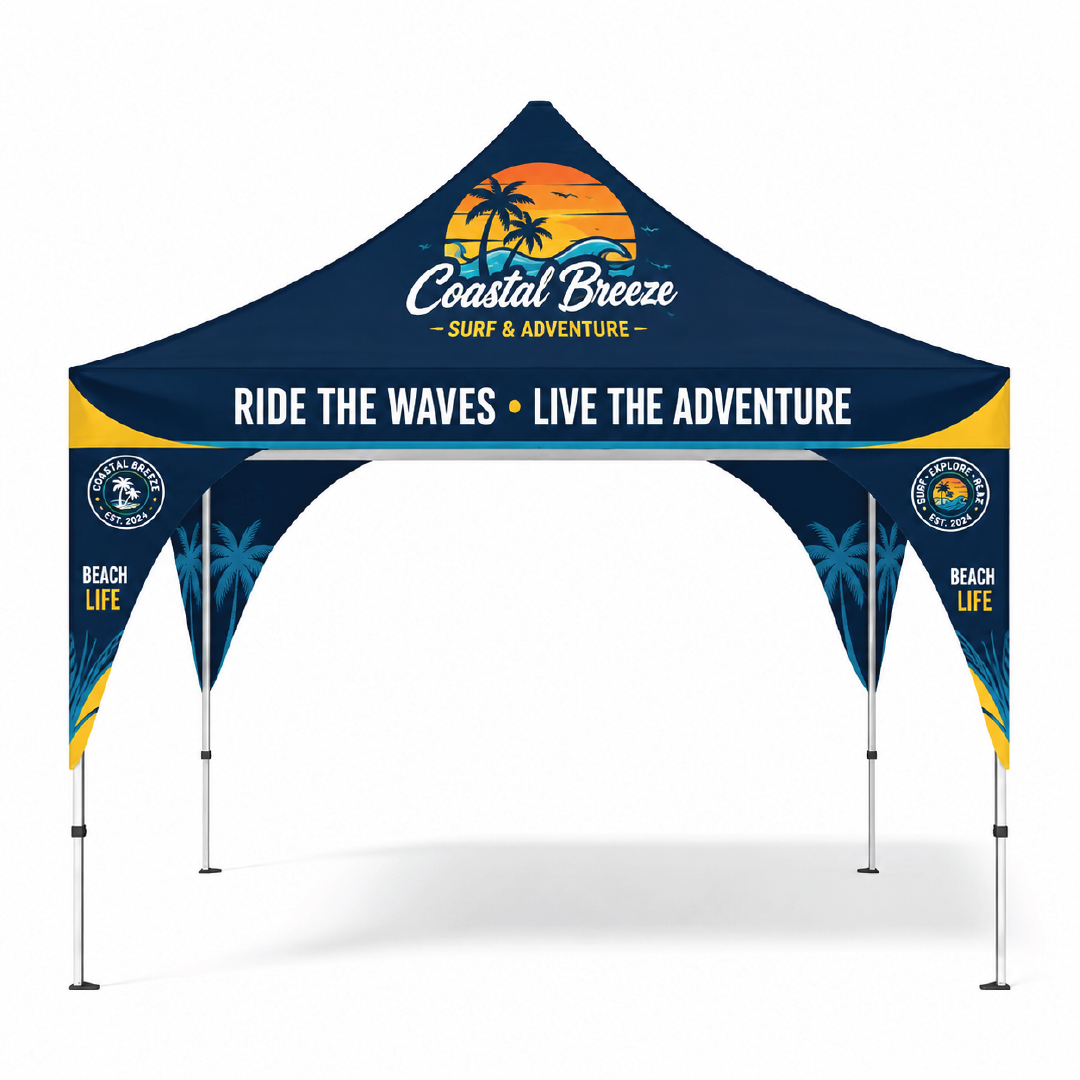
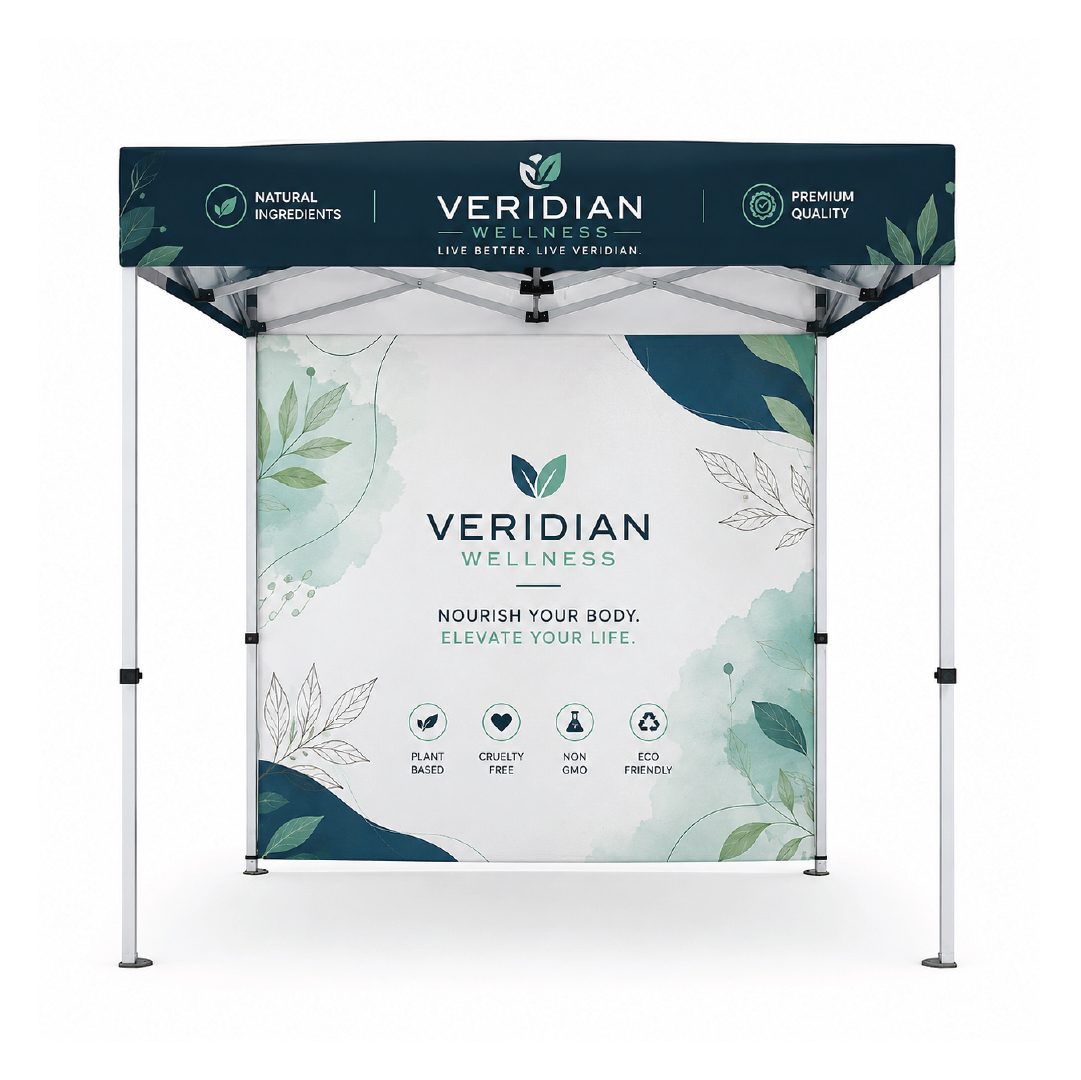
The challenge is creating a setup that can handle those changes without becoming difficult to transport, assemble,e or adapt. A custom canopy tent can serve as the foundation for that setup. The same structure can become a sales booth, information center, product display, registration point, or branded gathering space depending on how the walls, graphics, tables and accessories are arranged.
For Michigan businesses, the purchase decision is therefore less about finding a canopy that simply looks good and more about creating a setup that can keep working across an entire outdoor event calendar.
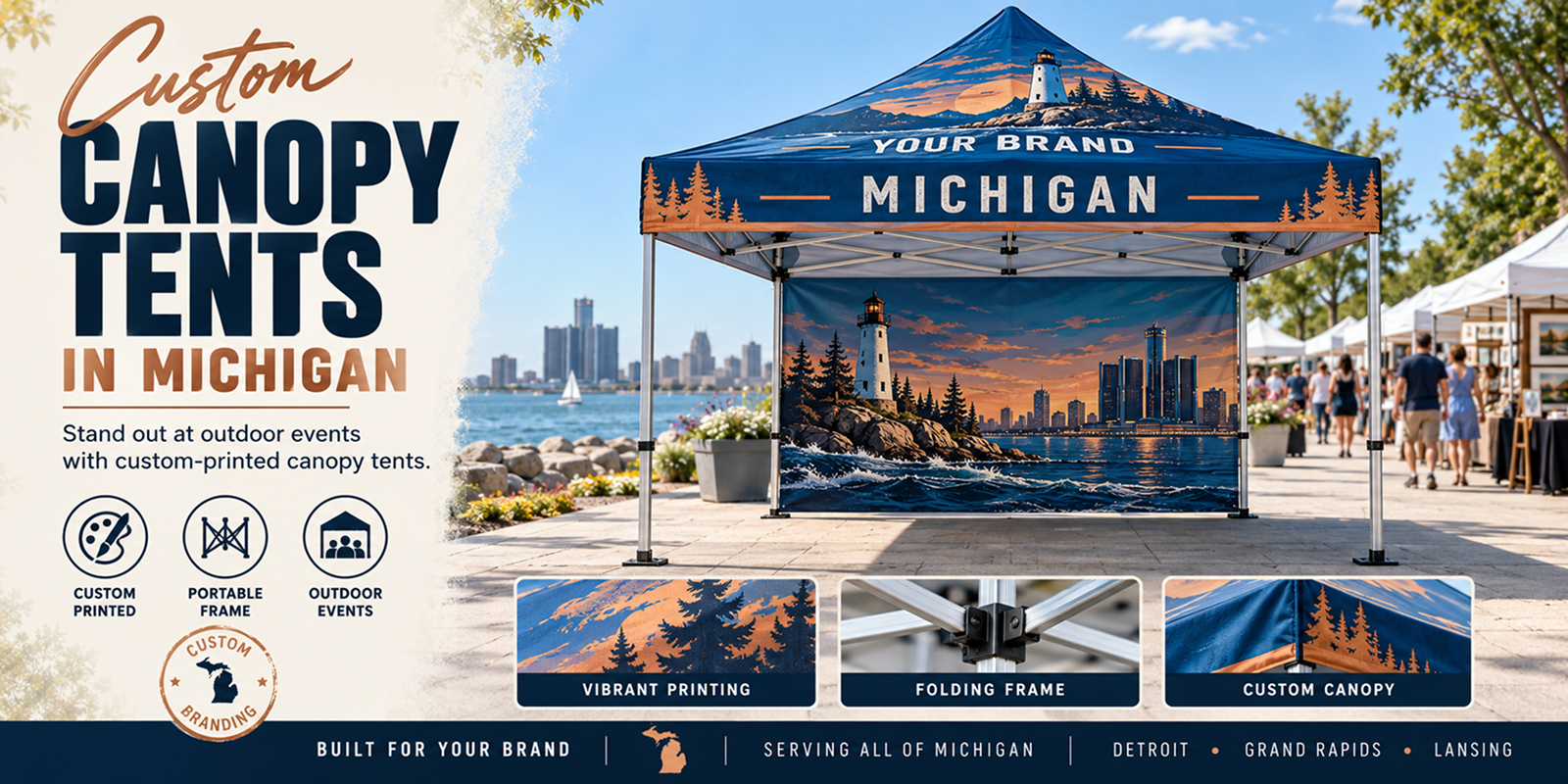
The canopy requirements for a spring market are different from those of a summer festival or autumn community event.
| Event period | Typical planning priority | Canopy consideration |
|---|---|---|
| Spring | Rain protection and quick setup | Water-resistant fabric, secure anchoring, enclosed storage |
| Early summer | Frequent markets and promotions | Portability and reusable branding |
| Peak summer | Sun exposure and long outdoor hours | Shade, ventilation, and UV-resistant materials |
| Late summer | Festivals and sporting events | Visibility and larger branded footprints |
| Fall | Craft fairs and community events | Enclosed walls and adaptable displays |
| Cooler weather | Shorter outdoor sessions | Walls, equipment protection and faster pack down |
Michigan weather can change quickly, so a canopy that works well across several seasons should be selected with the complete setup in mind.
The roof is only one part of that equation.
A useful way to plan a canopy is to divide the footprint into three functional areas.
This is the part visitors notice first.
The canopy roof, topper, flag, or front valance can carry the strongest branding. The goal is simple recognition rather than presenting every detail about the business.
This is where the customer actually engages with the business.
It might contain:
This area is easy to overlook when planning artwork.
It may hold:
A 10 x 10 canopy can work effectively when these zones are planned carefully. Larger formats can provide greater separation between customer and operational areas.
The 10 x 10 custom canopy tent remains useful when a business needs a manageable footprint.
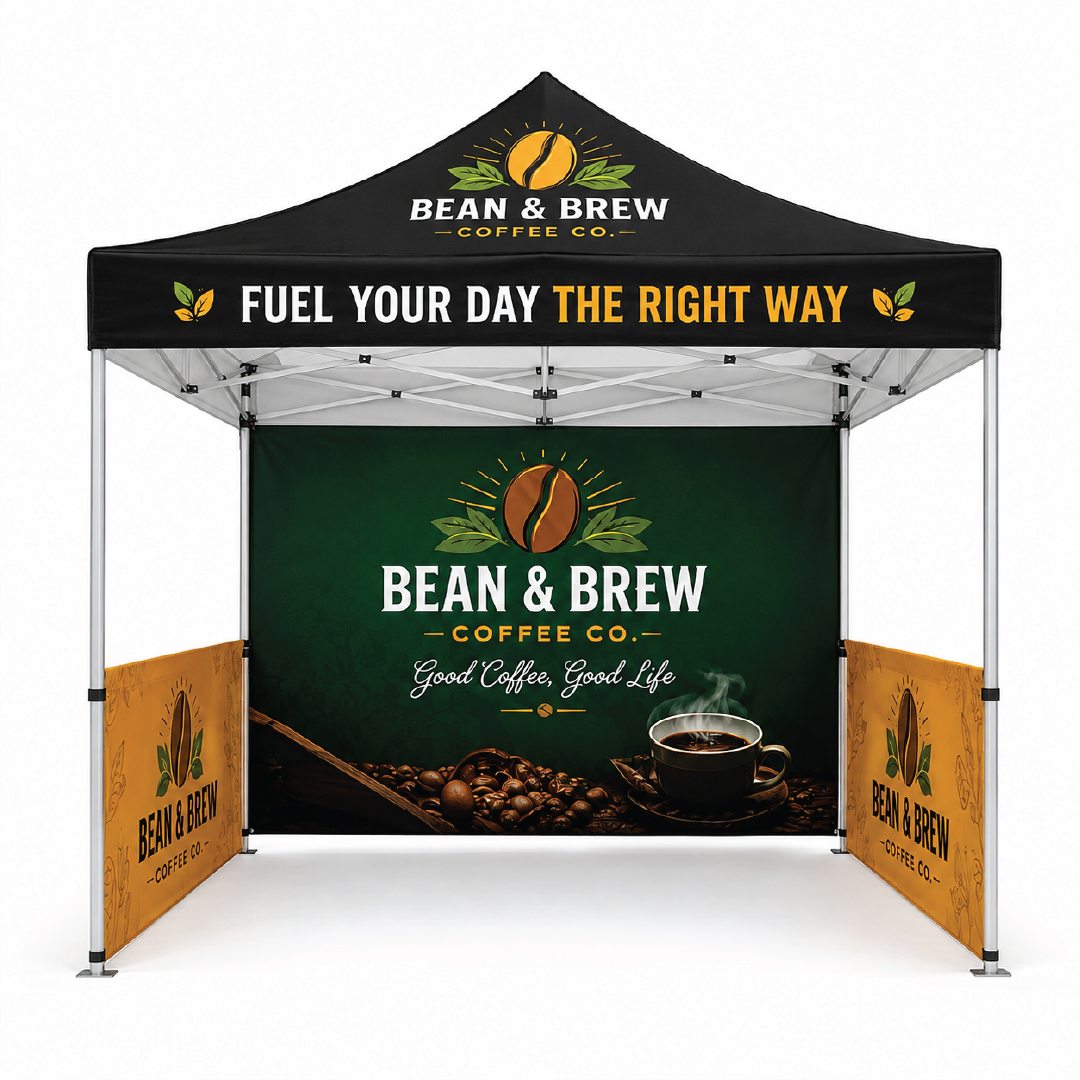
Printing Limitless offers a 10 x 10 model with an aluminum frame, adjustable height positions, and 8 oz printed fabric options. Buyers can select different wall configurations, add a topper, choose sandbags, and add a flag attachment.
That flexibility matters because the same 10 x 10 structure can be configured differently for different events.
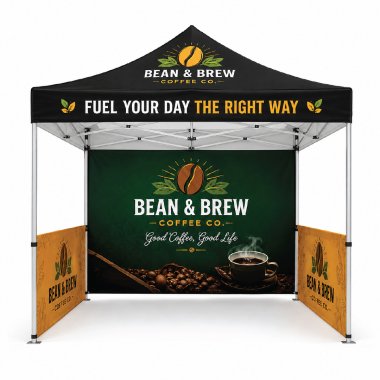
A market vendor might use an open front with one side wall. A service business might choose three walls to create a more defined consultation area. A sponsor might use a topper and teardrop flag for additional visibility. A product seller may use half walls to retain access while creating additional graphic space.
A larger canopy should have a functional reason behind it.
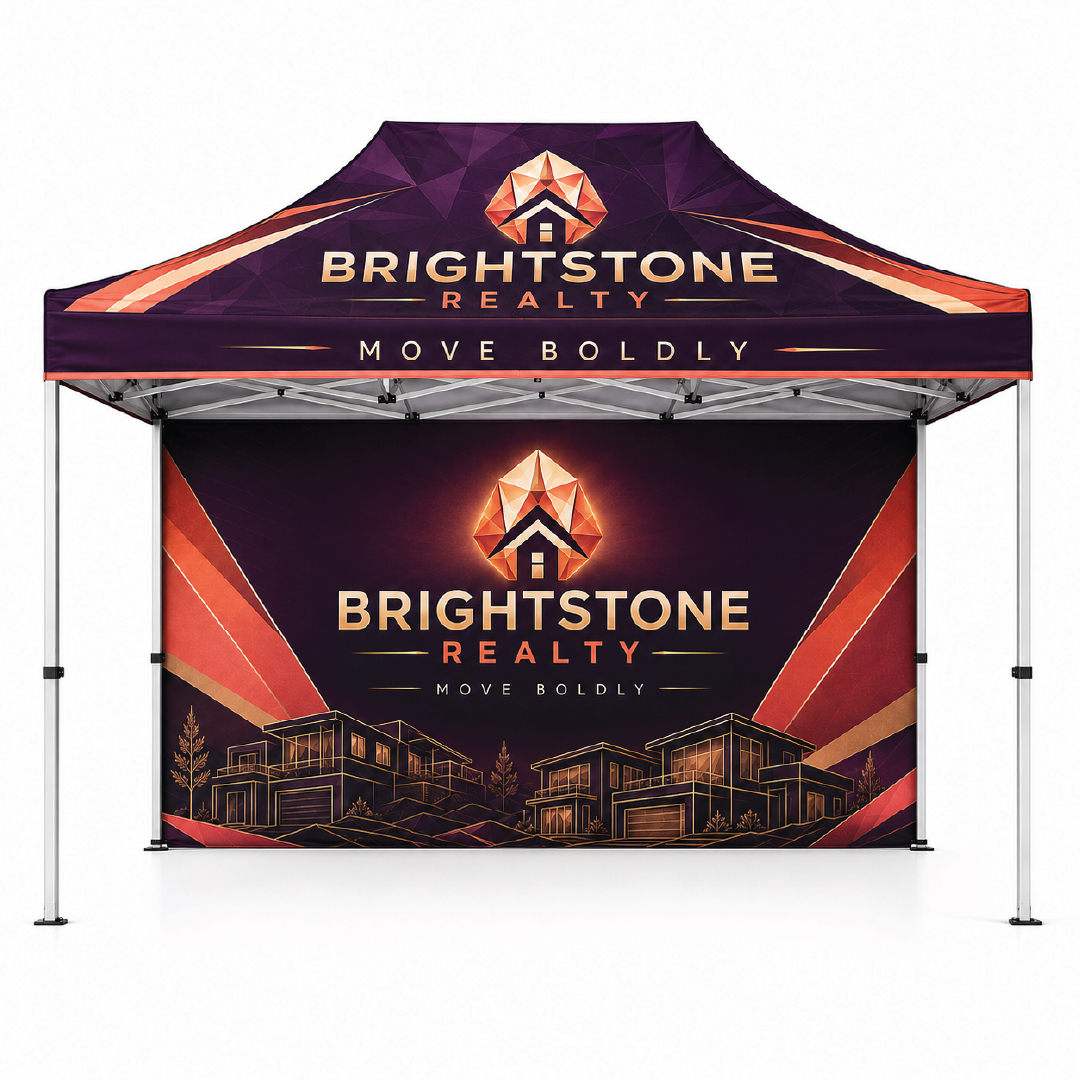
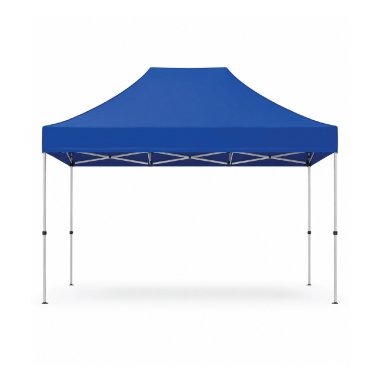
The 10 x 15 canopy tent can provide additional room without reaching the footprint of a 10 x 20 structure.
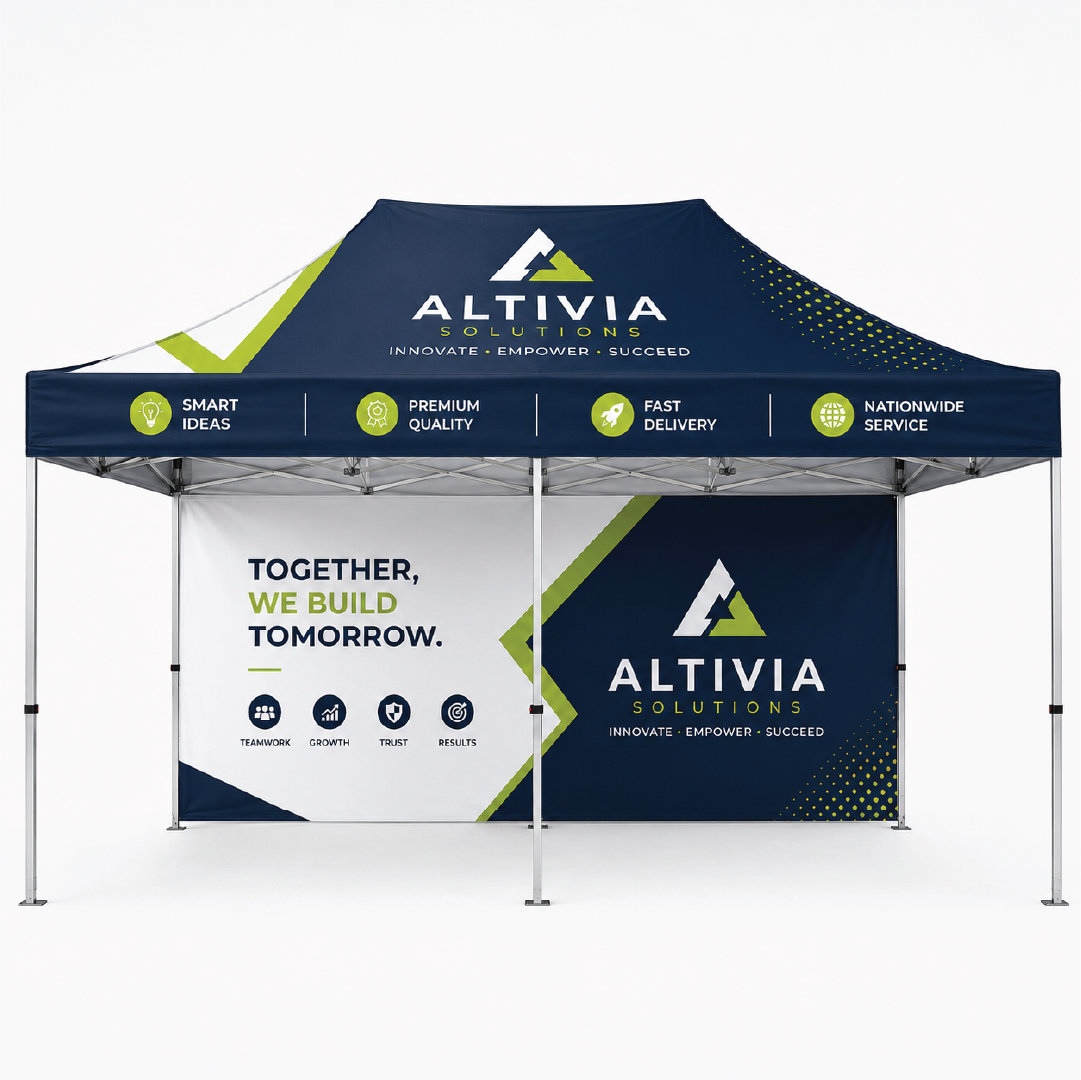
The 10 x 20 custom canopy tent is better suited to businesses that need several activities to happen under one roof. Printing Limitless offers multiple wall configurations, a topper, six sandbags,s and optional flag hardware for this format.
A larger footprint can support a layout such as:
Display area | Customer interaction | Storage or service area
That arrangement can be useful at larger festivals, corporate activations, sporting events and promotional campaigns.
The important consideration is the venue allocation. A large canopy is useful only when the assigned space, access route, and anchoring conditions can accommodate it.
Canopy stability is not something to solve after arriving at the market. Current Michigan market guidance shows how specific these requirements can become.
The 2026 East Lansing Farmers Market guidelines require vendors to provide their own tent, with a maximum size of 10 x 10, and require at least 40 pounds of weight on each leg. Vendors must secure the tent before bringing in other equipment or products.
Ishpeming Farmers Market similarly emphasizes secure weighting because of wind at its location and recommends 30 pounds per leg.
Downtown Iron Mountain's market guidelines require canopies to be secured with weights or another safe tie-down method and allow the market to require removal if a canopy presents a safety concern.
The lesson for buyers is straightforward:
Never assume the canopy itself determines the anchoring requirement.
The market may have its own rules.
A canopy setup should be considered incomplete until its anchoring method has been established.
Before ordering, confirm:
Some locations do not permit stakes at all. The Michigan State Capitol event application, for example, states that exterior tents and canopies must be freestanding, weights are required, and stakes are not allowed. That makes portable ballast particularly important for businesses that move between venues.
Customization does not have to mean covering every available surface with graphics.
A professional design can use different surfaces for different purposes.
Use the largest area for the primary brand identity.
Repeat the business name where people can see it at eye level.
Use these for product imagery, messaging, or a clean branded background.
This can become the main visual wall for photographs, presentations, or customer conversations.
Use it as an elevated identifier when the event is crowded.
Use vertical space to help people locate the booth.
This approach creates a visual hierarchy instead of turning the canopy into a collection of disconnected advertisements.
A canopy can appear at many different events during a year.
A business might attend:
Permanent canopy graphics should therefore focus on information that remains useful across multiple appearances. The business name, logo, core colors, website, and recognizable imagery can stay consistent. Temporary promotions can be handled through smaller signs, table displays, or replaceable graphics. This makes the canopy a reusable brand asset instead of a single event purchase.
Printing Limitless offers canopy fabric options including standard 600 denier acrylic coated polyester and an eco friendly fabric option on its 10 x 10 custom canopy. The listed graphic weight is 8 oz, with dye sublimation printing used for the graphics.
A material decision should consider:
A business attending events every weekend may have different requirements than an organization using its canopy several times per year.
Fabric should be completely dry before storage to reduce the risk of moisture-related problems.
Printing Limitless recommends water, a soft sponge and mild non detergent soap for cleaning its canopy fabric, while advising against machine washing and strong detergents.
Dye sublimation provides a full-color printed surface that can carry detailed brand graphics.
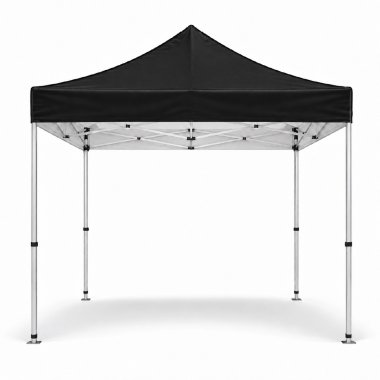
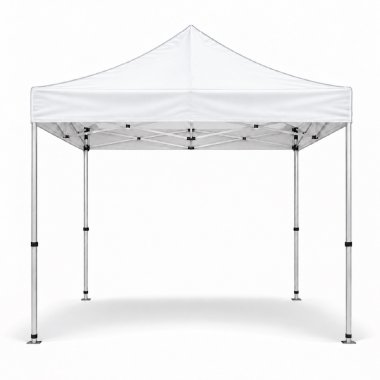
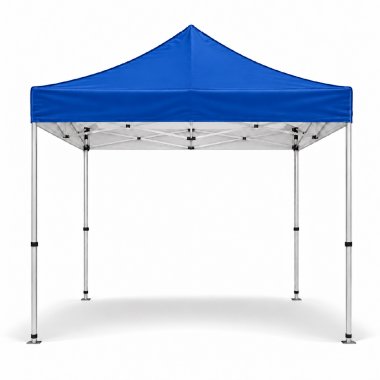
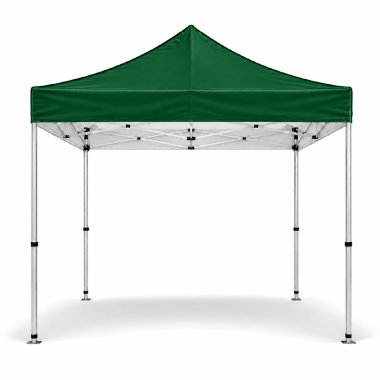
A fully printed canopy is not required for every use case. Printing Limitless also offers a solid color canopy tent in 10 x 10 and 10 x 20 sizes using 420D Oxford polyester. Available color choices include black, white, blue, green, cream, and red.
This option can make sense when a business already has:
The canopy then provides the physical shelter while other displays carry the branding. A fully customized canopy is more useful when the structure itself needs to communicate the business identity.
A canopy is generally associated with outdoor events, but businesses sometimes move between outdoor festivals and indoor exhibitions. Those settings can have very different rules.
The 2026 Michigan State Fair vendor information states that indoor pop up tents are not permitted without fair management approval, and an approved tent must carry branding representing the company. The fair also provides specific booth equipment and setup requirements. That is a useful reminder for businesses attending multiple types of events:
Never assume an outdoor canopy configuration is automatically acceptable indoors.
Check the event's exhibitor manual before transporting the structure.
Detroit provides an interesting example of why location-specific rules matter. The city's zoning provisions for certain temporary outdoor retail sales uses limit the sales, storage, and display area to a 10 x 10 area and allow a tent canopy no larger than 10 x 10 for that use.
This does not mean every Detroit event is limited to a 10 x 10 canopy. It illustrates why businesses should verify the exact rules associated with their intended location and activity.
A larger canopy may be appropriate at an organized festival while a specific temporary retail use can have a smaller permitted footprint.
Michigan businesses also use state parks, recreation areas, forests, boat launches, and trails for organized events.
The Michigan Department of Natural Resources requires an event use permit for qualifying organized events on DNR-managed public land. Its definition includes events involving a fee or donation and/or 20 or more participants.
For a business planning a branded activation at a state-managed location, the canopy should therefore be considered alongside the event permit and site requirements.
This becomes especially relevant for:
The event location determines which approvals and restrictions apply.
A food business needs to plan the canopy around food handling as well as customer visibility.
Michigan's Department of Agriculture and Rural Development states that licensing requirements can apply to food vendors at farmers' markets depending on activities such as on-site processing, packaging, preparation, and sale of ready-to-eat food.
Local health departments handle certain farmers market licensing situations, while fairs can fall under MDARD oversight.
The canopy layout should leave room for:
The canopy itself does not replace food safety requirements.
A vendor should establish the applicable health and event requirements before finalizing the layout.
A canopy may be easy to describe as portable, but portability involves the entire package.
The frame is only one item.
A mobile event team may need to transport:
Printing Limitless lists an approximate 37.48-pound stand weight for its 10 x 10 custom canopy frame. The complete packed setup will weigh considerably more once graphics, walls, ballast, and event equipment are included. Businesses should therefore consider vehicle capacity and the number of people available for setup before choosing a larger format.
A reusable kit can reduce the chance of arriving at an event with the canopy but missing something essential.
Keeping these items together makes the canopy part of a repeatable event system rather than a standalone product.
A useful Michigan event setup separates permanent branding from temporary messaging.
| Keep permanent | Change when needed |
|---|---|
| Logo | Event promotion |
| Brand colors | Special offer |
| Website | Product launch |
| Core brand message | Seasonal campaign |
| Brand imagery | Event-specific information |
| Social handle | Pricing message |
This is particularly useful for businesses attending spring markets, summer festivals, and fall events with the same canopy. The structure remains consistent while the surrounding marketing materials change.
The most effective canopy setups tend to feel like a small extension of the business rather than a roof placed over a table.
The roof establishes visibility.
That combination makes the canopy useful across Michigan's varied event landscape, whether the business is operating in Detroit, Grand Rapids, Ann Arbor, Lansing, Kalamazoo, Traverse City, or a smaller community.
Use this checklist before finalizing a purchase:
These steps can prevent a common mistake: choosing the canopy first and discovering later that the venue, booth footprint, or operating conditions require a different configuration.