Free Shipping on Orders $99+
Use Code FLAT15 & Get 15% Off On All Orders
Choose your store
Prices, currency, and delivery follow the store you select.
Prices, currency, and delivery follow the store you select.
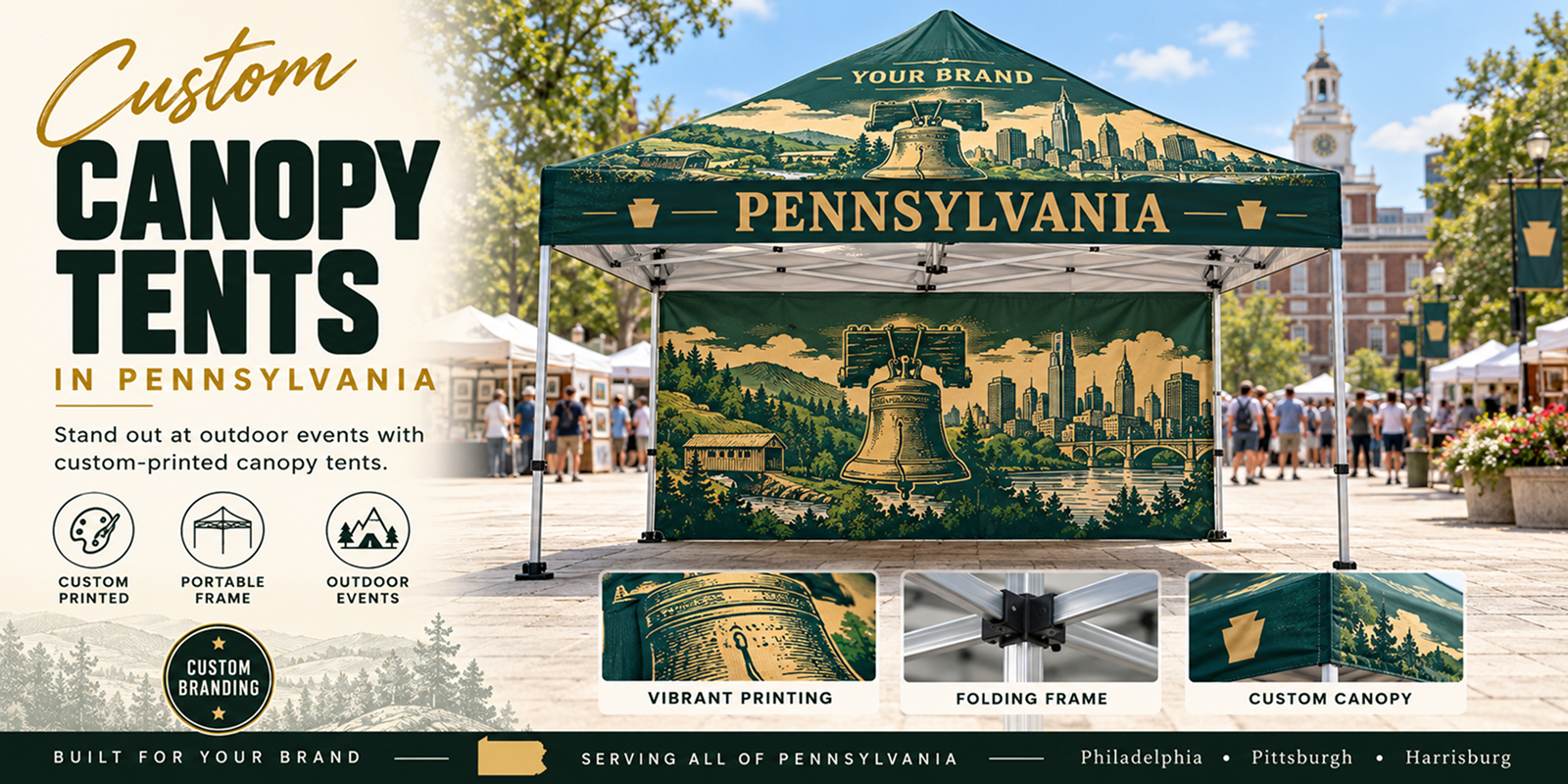
A canopy can become the visual anchor of an outdoor setup long before someone reaches it. A distinctive roof, coordinated graphics, and a well-planned structure can make an otherwise temporary space feel intentional.
Pennsylvania offers plenty of settings where that distinction matters. A canopy may appear against the dense surroundings of Philadelphia, in an open area around Harrisburg, alongside a community gathering in Lancaster, or at an outdoor setting near Pittsburgh. The environment changes, but the structure still needs to look good, function properly, and remain practical to handle.
That makes the details behind custom canopy tents worth examining. The fabric affects its appearance and outdoor performance. The printing process determines how the artwork becomes part of the structure. The frame influences setup and adjustment. Wall choices change the character of the space.
The right combination can make a temporary setup feel considerably more established.
A canopy intended for occasional use and one expected to appear throughout a season have different practical requirements.
Repeated use means the structure will be assembled, taken down, transported, cleaned, and stored multiple times. Those activities place attention on the construction of the frame, the fabric, the graphic attachment, and the overall handling process.
A useful way to evaluate custom outdoor canopies is to look at these areas together:
| Area | What to look for |
|---|---|
| Frame | Aluminum construction, adjustable components, practical assembly |
| Fabric | Suitable weight, protective treatment, appropriate outdoor use |
| Graphics | Dye sublimation, color reproduction, full surface coverage |
| Enclosure | Available wall combinations and clear panel choices |
| Handling | Packed weight, storage requirements, transport considerations |
| Accessories | Stability options and additional visual elements |
Printing Limitless uses aluminum frames with adjustable layers on applicable custom canopy tents. The custom range also includes dye sublimation printing and multiple fabric options depending on the product.
Looking at the complete system gives a more useful picture of long-term practicality than focusing on one specification.
The canopy fabric has a demanding role. It needs to carry the artwork clearly while contributing to the structure's appearance and handling outdoor exposure.
Printing Limitless custom printed canopy tents use applicable configurations featuring 600D acrylic-coated polyester with an 8 oz graphic material weight. Other configurations provide eco-friendly tent fabric and recycled FR fabric options.
The acrylic coating provides a protective treatment to the fabric. That can be useful for a structure intended for outdoor use, but material characteristics should not be confused with permission to leave a temporary canopy exposed to severe conditions.
For buyers comparing materials, the more useful questions are:
These considerations help connect the material specification to the actual ownership experience.
Canopy artwork has to cover a large physical surface while remaining visually consistent across fabric.
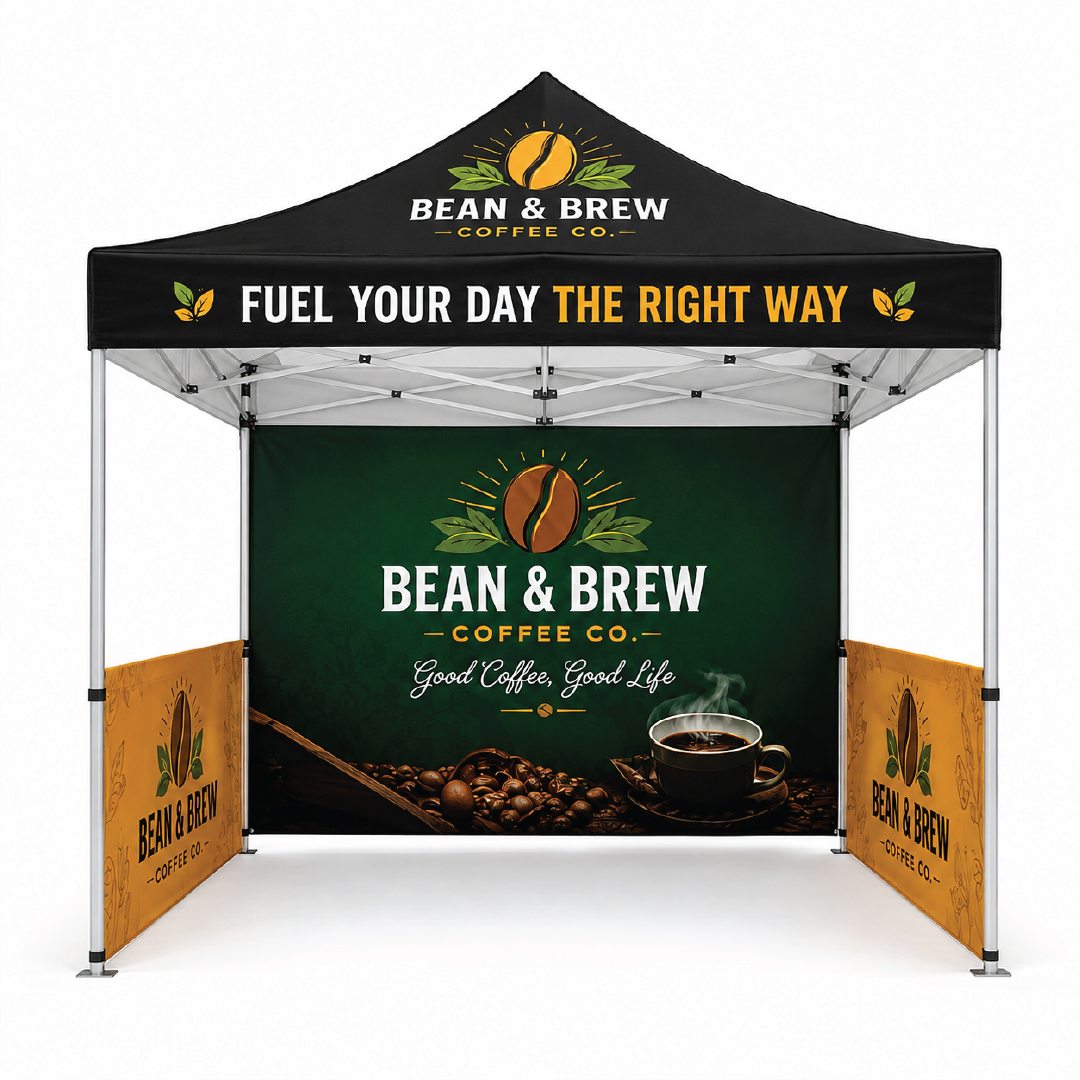
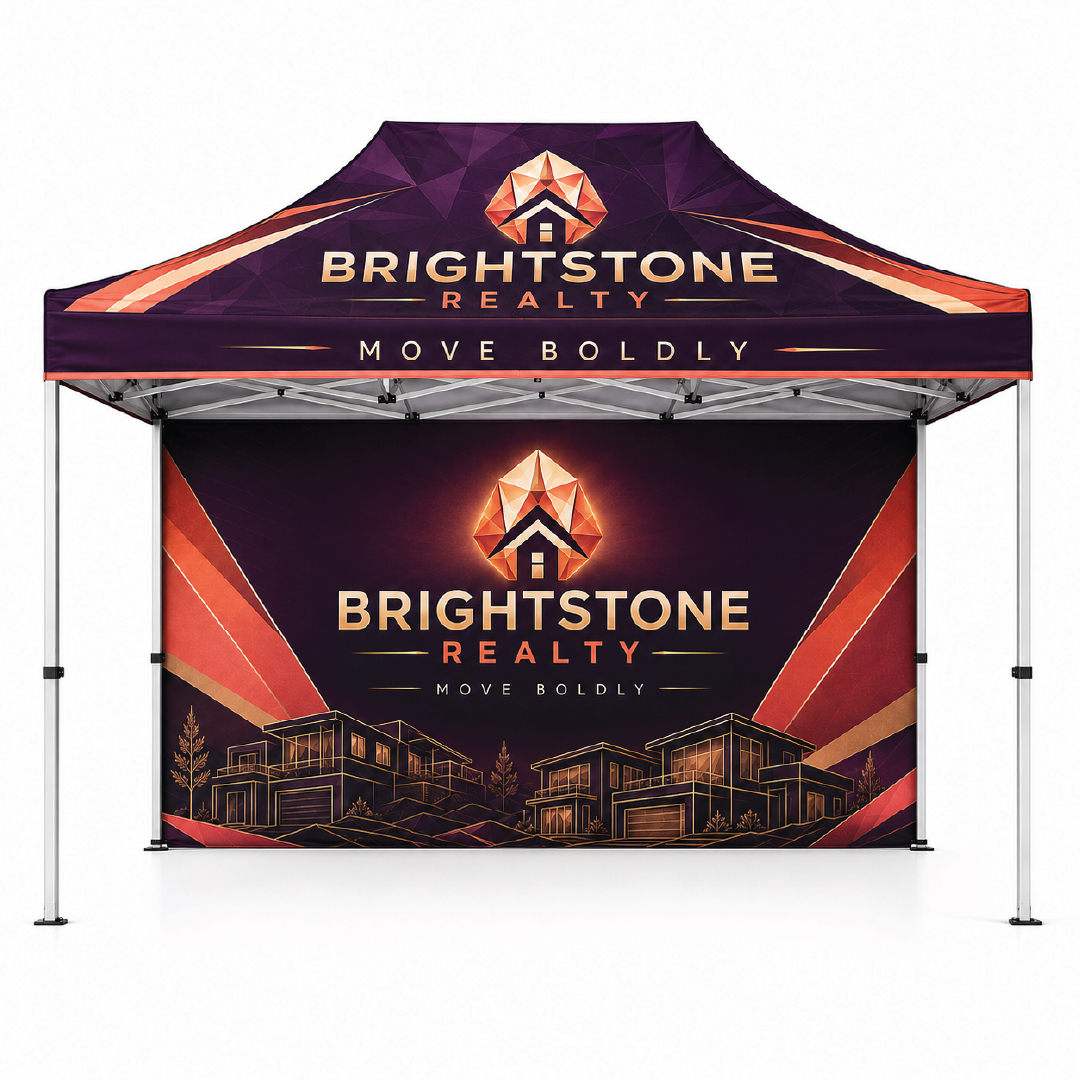
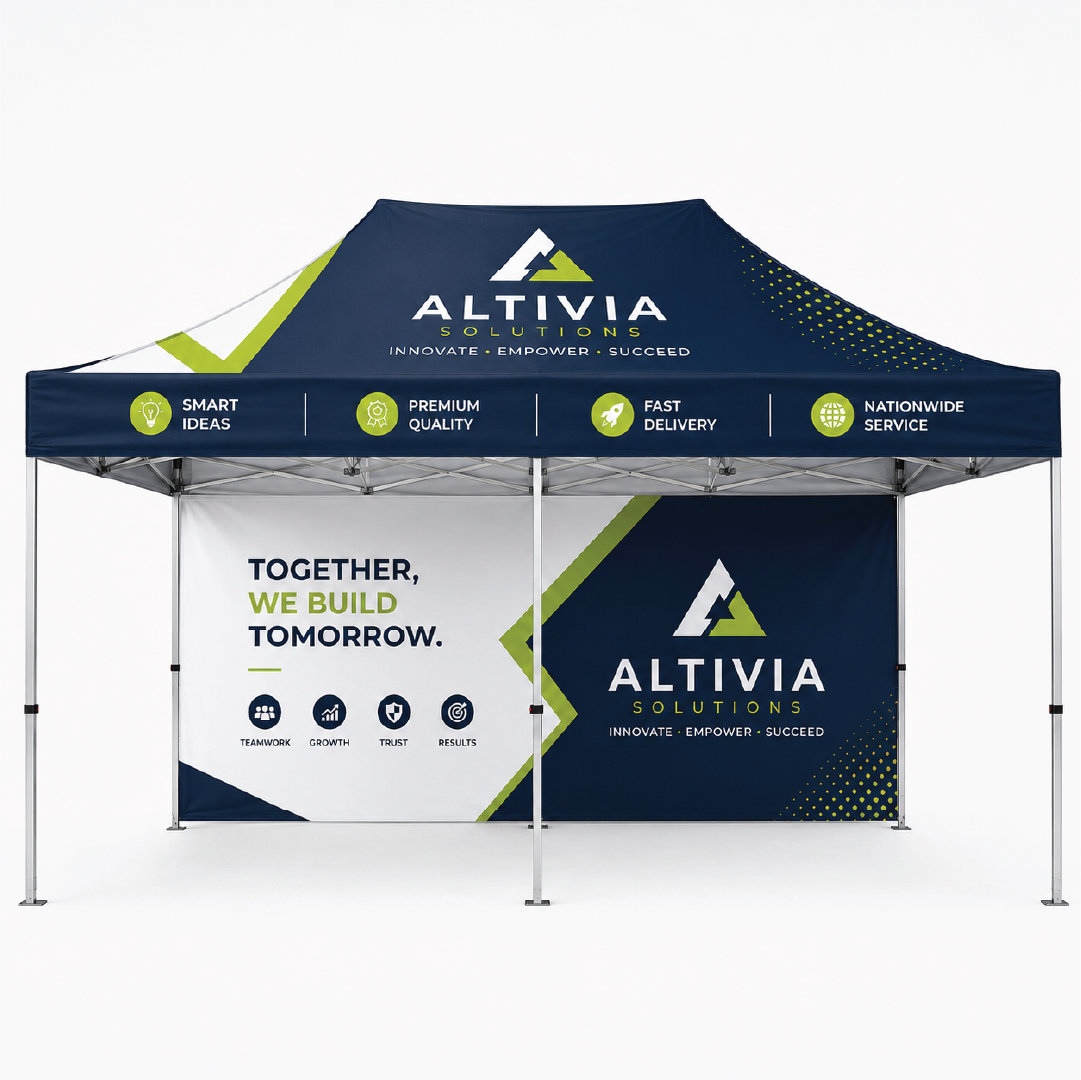
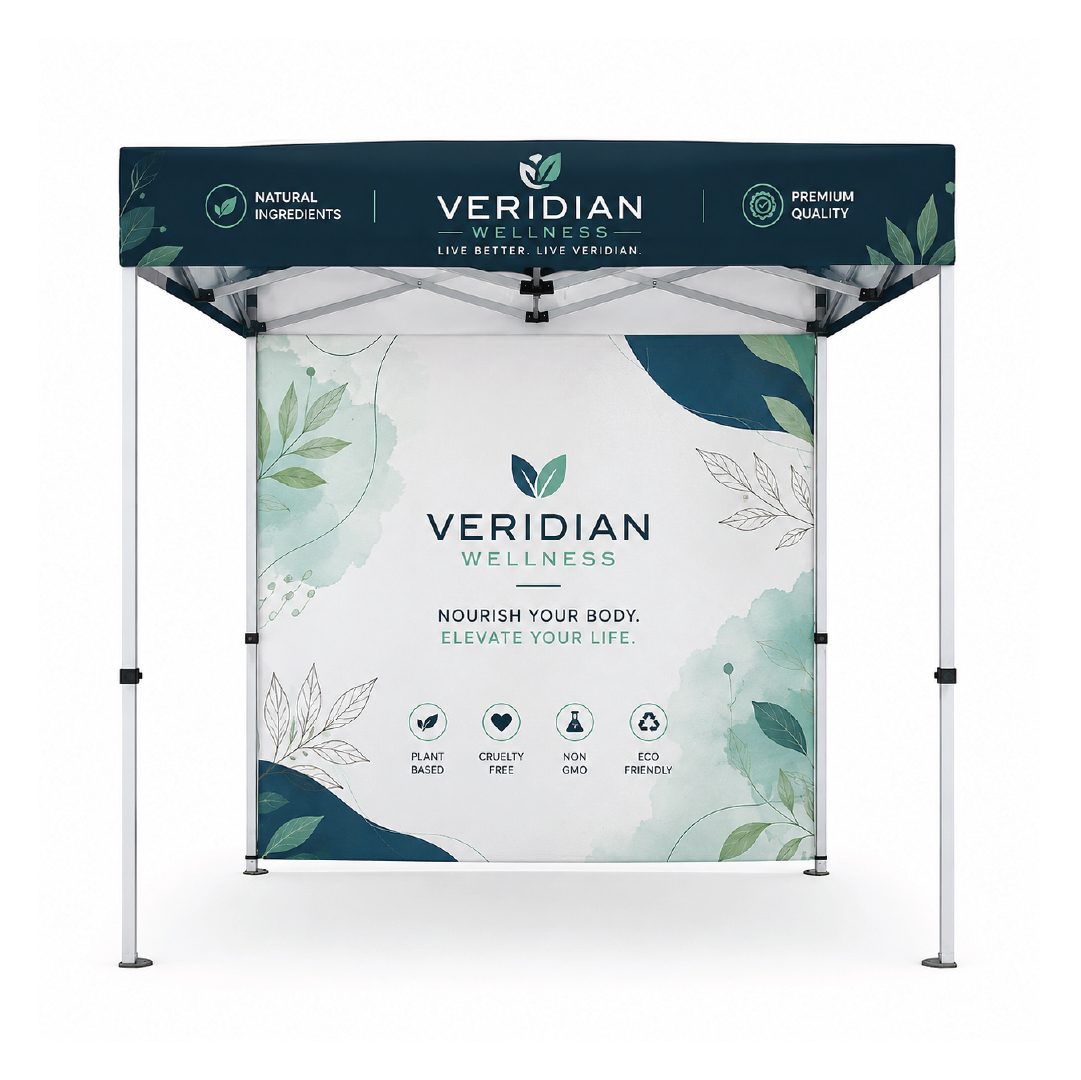
Canopy tent printing through dye sublimation is used on custom products. The process integrates the printed design into the fabric rather than leaving a conventional ink layer sitting prominently on top of the material. That makes the printing method particularly relevant when the graphic itself is an important part of the structure.
A canopy design can incorporate:
The goal should not be to fill every available surface. Strong canopy artwork usually establishes a visual hierarchy so the most important elements remain recognizable at a glance.
A custom canopy design starts with the message, then considers where that message should appear.
A practical artwork sequence:
1. Establish the primary visual.
Choose the logo, image, color system, or graphic element that should receive the greatest attention.
2. Identify the important viewing directions.
Consider where people are most likely to see the structure and which surfaces should carry the strongest graphics.
3. Build supporting elements around the main visual.
Secondary text, imagery, patterns, and additional information should support rather than compete with the primary identity.
4. Check the physical layout.
The design needs to account for seams, edges, wall attachments, and the way the fabric will sit on the frame.
5. Review the proof.
Printing Limitless provides a design approval process before production. Customers can also upload artwork later if the design is not ready at the time of ordering.
This process helps catch layout problems before they become part of the finished printed canopy tent.
The frame is easy to overlook because it becomes less visible once the canopy is fully assembled. Its role becomes obvious during setup and breakdown.
Printing Limitless pop-up canopy tents use aluminum frames with adjustable components and telescopic legs. The listed height range for the applicable custom configuration is 101 to 135 inches, with a 1.57-inch pole diameter.
The pop-up construction is intended to simplify deployment without requiring a complicated assembly process. For recurring use, that matters because the setup is not a one-time task. The structure may need to be handled repeatedly by the same team or by different people at different locations.
A frame should therefore be evaluated for:
The goal is a setup that makes sense both when it is standing and when it is being packed away.
Walls are not simply decorative additions. They change how people approach, see, and move through the canopy.
Different configurations can produce very different results:
| Configuration | Visual effect | Practical consideration |
|---|---|---|
| Open | Keeps the space visually connected | Easy access from surrounding areas |
| Half panel | Introduces partial enclosure | Maintains some openness |
| Full panel | Creates a stronger boundary | Provides greater visual coverage |
| Clear panel | Maintains visibility through a section | Useful when enclosure and visibility need to coexist |
Printing Limitless offers several wall configurations depending on the custom canopy tent model, including half and full panel choices. Selected products also offer half clear panels using PVC clear vinyl. The decision should follow the way the space needs to function.
If people need to enter from multiple directions, keeping some sides open may make more sense. If the structure needs a stronger visual boundary, additional panels can create that effect.
A canopy does not need every available accessory. The useful question is what the additional component contributes to the finished setup.
Custom canopy tents can include toppers, flag holders, teardrop flags, and sandbags.
| Accessory | Potential role |
|---|---|
| Topper | Extends graphic visibility around the upper area |
| Flag holder | Adds a vertical display element |
| Teardrop flag | Creates additional visibility outside the main footprint |
| Sandbag | Adds support where applicable |
| Wall panel | Changes enclosure and available graphic area |
Selecting accessories this way keeps the setup purposeful rather than unnecessarily complicated.
A strong frame is one part of outdoor stability. The surface, weather conditions, configuration, and securing method also matter.
This is particularly important when an outdoor canopy tent is used on hard surfaces. A setup placed on concrete does not offer the same anchoring options as one positioned on grass or another penetrable surface.
Before setup, consider:
Determine what type of ground the structure will stand on and what securing method is appropriate.
Monitor changing conditions instead of assuming a temporary structure can remain safely deployed in every situation.
Walls and additional graphic surfaces can change the way wind interacts with the structure.
Applicable Printing Limitless configurations offer sandbags as an additional support option.
No temporary canopy should be treated as immune to severe weather. If conditions become unsafe, taking the structure down is more important than keeping it deployed.
A custom canopy tent in Pennsylvania may encounter very different site conditions. A setup in Philadelphia can have different space and access considerations than one in a more open location around Erie or Scranton.
The location can affect:
Certain Pennsylvania municipalities also have their own rules for tents and canopies. Philadelphia, for example, requires permits for specified large tents and canopies, with thresholds that depend on the installation and location.
This does not mean every canopy installation across Pennsylvania requires a permit. Site-specific requirements should be checked with the relevant local authority or event organizer before installation. That small step can prevent an otherwise well-planned setup from encountering avoidable problems.
Available canopy footprints should be evaluated according to what needs to happen beneath them.
Printing Limitless currently offers several configurations, including a compact 6 x 6 option and larger footprints such as 10 x 10, 10 x 15, and 10 x 20.
| Planning factor | Smaller footprint | Larger footprint |
|---|---|---|
| Available ground area | Works where space is restricted | Requires greater clearance |
| Equipment | Suits a lighter setup | Provides room for additional equipment |
| Movement | More compact interior | More room to move around |
| Transport | Easier to plan around limited space | Requires greater transportation capacity |
| Coverage | Focused covered area | Broader covered area |
The important point is that a larger footprint is not automatically better. A canopy should occupy the amount of space that the setup actually needs.
A canopy can look disconnected when its graphics, accessories, and surrounding materials all follow different visual directions.
A more cohesive result comes from establishing a consistent design language.
Keep these elements aligned:
This does not require an elaborate graphic treatment. A restrained design can be just as recognizable when the elements are positioned intentionally.
Custom printing is not necessary for every setup.
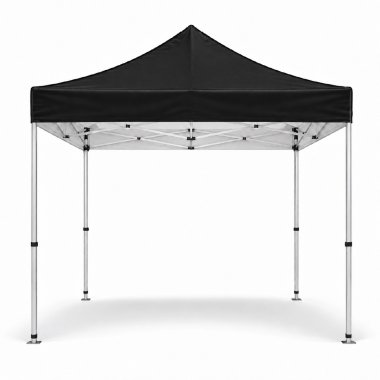
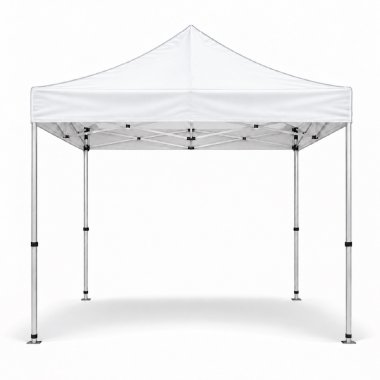
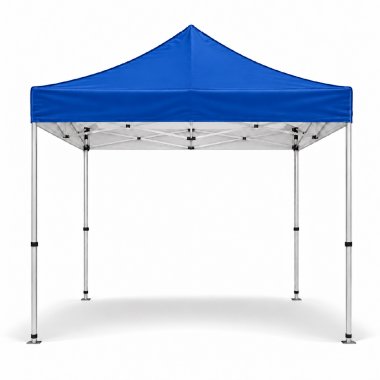
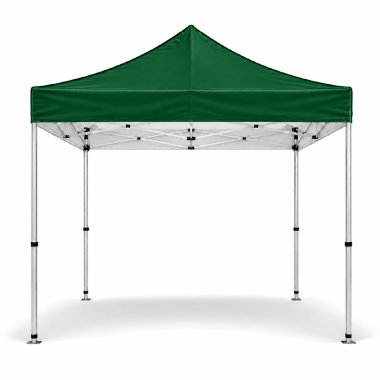
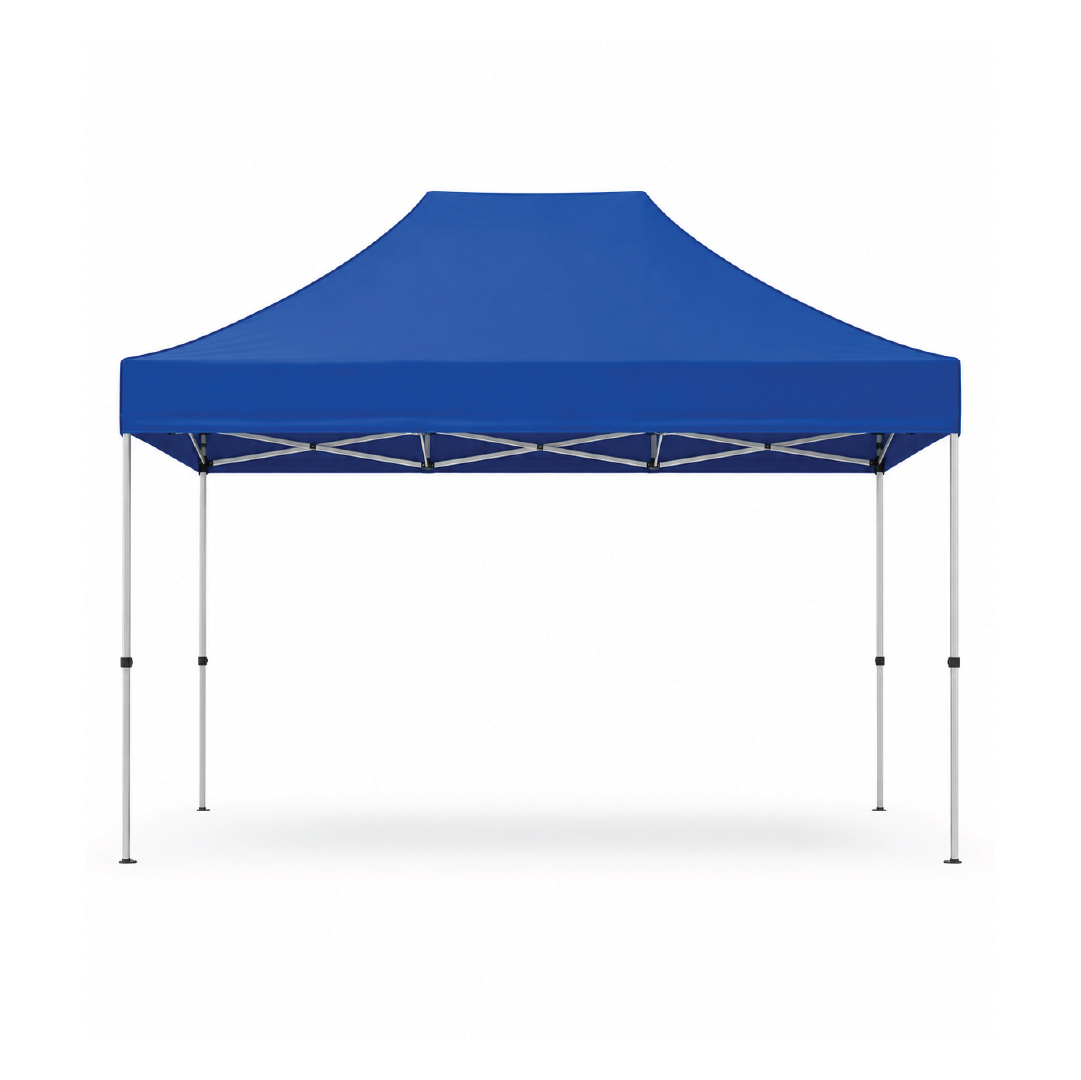
Some users may prefer a clean, neutral canopy that can work across different applications. Printing Limitless offers solid color canopy configurations using 420D Oxford polyester fabric, with color options including black, white, blue, green, cream, and red.
This provides a different approach to visual presentation.
| Custom printed | Solid color |
|---|---|
| Carries specific artwork | Uses a consistent color |
| Supports detailed branding | Keeps the appearance simpler |
| Can use multiple graphic surfaces | Works without custom graphics |
| Useful when visual identity is central | Useful when a clean appearance is preferred |
The choice comes down to what the outdoor canopy tent needs to communicate and how much visual customization is actually useful.
The assembled canopy is only part of the ownership equation. Once it is folded down, it becomes a packed item that needs to be moved and stored.
Before placing an order, check:
The custom configuration lists an approximate stand weight of 17 kg. Selected products also provide wheeled travel bag options. This information becomes especially relevant when the canopy will move repeatedly between locations. A little planning at the purchasing stage can make future setup days considerably easier.
Maintenance does not need to be complicated, but it does need to be consistent. Clean the tent fabric using water, a soft sponge, and mild, non-detergent soap. Machine washing and strong detergents are not recommended because the fabric has a protective coating.
A simple care routine:
Air drying in the sun is recommended by Printing Limitless when practical.
A canopy may serve the same general purpose for years while the graphic treatment or configuration changes. Printing Limitless offers applicable products as stand only, graphic only, or stand and graphic combinations. Selected configurations also provide different wall and accessory choices.
This creates several possibilities:
For buyers investing in custom printed canopies, this flexibility can make future updates easier without requiring the entire setup to be replaced.
A standard pop-up canopy tent is not the only way to approach an outdoor canopy. Printing Limitless also offers a dedicated beach canopy within its range, while its broader canopy selection includes compact and larger custom configurations.
The format should follow the setting rather than the other way around.
A compact footprint can work where available ground area is limited. A broader structure can accommodate a larger interior arrangement. A beach-specific configuration can make sense where the surroundings and intended use call for that format.
The common factor is adaptability: the canopy should fit the environment instead of forcing the environment to accommodate an unsuitable structure.
Before ordering, it helps to work through the decision in a logical sequence.
Step 1: Define the setting
Identify where the canopy will be used and what type of surface it will stand on.
Step 2: Determine the required footprint
Measure the available area and leave sufficient room for access around the structure.
Step 3: Decide what needs to happen underneath
Consider people, equipment, furniture, products, and movement.
Step 4: Determine the visual treatment
Choose between custom graphics and a solid color finish based on the role of the canopy.
Step 5: Select enclosure
Decide which sides need to remain open and where panels could improve the setup.
Step 6: Review the frame and handling requirements
Check height adjustment, weight, packed dimensions, transportation, and storage.
Step 7: Finalize the artwork
Use your existing artwork or work with design assistance, then review the proof before production.
Step 8: Add only the accessories you need
Consider toppers, flags, support accessories, and other components according to the purpose they serve.
This approach keeps the purchase centered on the finished setup instead of treating every product option as equally necessary.
Printing Limitless brings the frame, fabric, printing, and configuration options together within the same canopy product range.
Applicable custom models use aluminum pop-up frames with adjustable components, while the graphic options include dye sublimation printing on outdoor-suitable fabrics. Customers can select different wall arrangements, clear panel options, and accessories according to the product configuration.
The ordering process also supports different starting points. Customers can provide their own artwork, upload it later, or request design assistance. A proof is reviewed before production so the final graphic can be approved.
For Pennsylvania buyers, that combination makes it possible to build a canopy around the actual conditions of use rather than selecting a fixed package that may not suit the space, graphics, enclosure, or handling requirements.