
How to Hang a Banner: The Complete Guide for Indoor and Outdoor Displays
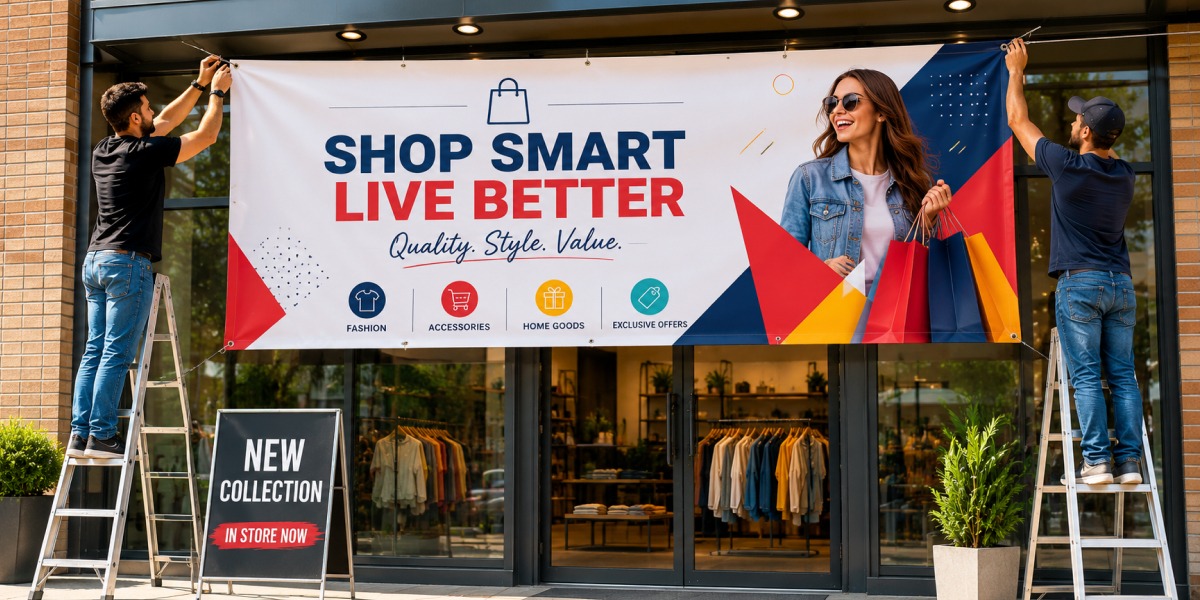
Ever watched a banner come loose mid-event? One corner sags, wind catches it wrong, and the thing you spent good money designing suddenly looks like an afterthought someone taped up five minutes before doors opened. Happens more than you'd think. And it's almost never the design's fault - it's the hanging part that gets rushed, usually right when there's no time left to fix it.
This one's about the actual mechanics. Getting a banner up, and keeping it up, whether that's a storefront wall, a trade show booth, or a fence line at some outdoor event. No filler. Just what holds up once it's actually hanging.
Where It's Going Decides How You Hang It
The method isn't really separate from the banner itself - it comes down almost entirely to the setting.
Something going up indoors for one afternoon needs zero of the reinforcement a banner facing wind and rain for a week does. Mix that up and you'll either over-build a simple indoor display or send something underprepared out into three days of July weather.
Worth asking a few things before touching any hardware. Temporary or semi-permanent? Indoors, or exposed to weather? Mounted to something solid like a wall, or something flexible like a fence or pole? Answers narrow things down fast - and honestly, most hanging mistakes trace back to someone skipping this step entirely and just grabbing whatever's sitting in the supply closet.
Hanging an Indoor Banner
Indoors is the easier setup, relatively. No wind, no rain, usually a controlled room. Doesn't mean "easy" equals "no planning" though - a sagging banner in a conference room looks just as sloppy as one outside.
Lightweight stuff, adhesive hooks or strips do the job fine without messing up most wall surfaces. Heavier material or bigger dimensions, go with screw-mounted hooks instead - they hold through a long event without slipping. Velcro strips land somewhere in between, good for short promotions you're tearing down the same day anyway.
One detail people skip: check the wall. Clean, dry, every single time before anything goes up. Dust or a little moisture under adhesive backing basically guarantees a failure halfway through the day - and it's always at the worst moment, somehow.
Setting something up longer term - weeks or months in a lobby or storefront window - wall-mounted frames are worth the extra ten minutes. They hold tension evenly across the whole surface, which keeps things looking sharp instead of slowly sagging in the middle the way adhesive-only setups tend to over time.
Hanging an Outdoor Banner
This is where most of the actual failures happen, and where things get more involved. Wind, sun, sometimes rain - none of it forgives a rushed install.
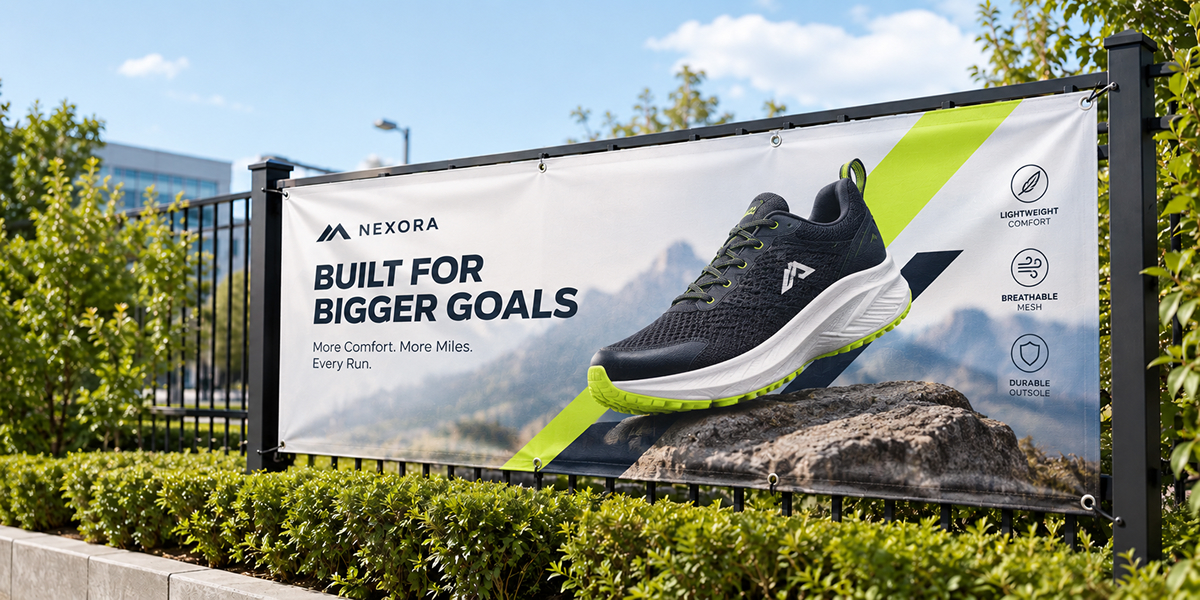
Wind's the big one. Pull a banner completely taut with zero give and it catches wind like a sail, then either rips at the grommets or yanks its mounting points loose. Leave a little slack instead - just enough that the material can move slightly - and somehow that makes it more stable, not less. Doesn't feel right, but it works every time. Some banners come with wind slits already built in for this exact reason, letting gusts pass through instead of slamming into one flat surface.
For mounting, heavy-duty hooks or bungee cords cover most fence and pole setups well. Zip ties are the quick option - cheap, fast, plenty secure for short-term use at outdoor events. Rope gives more flexibility for uneven structures, which matters if you're not working with a perfectly straight fence or pole. Thread it through the grommets evenly, tie at multiple points instead of just the corners. Even tension across the whole thing keeps the print from warping over time, which is what happens when one side's pulled tighter than the other.
Bigger banners need extra attention right at the corners - that's usually where stress hits first. Reinforcing those points with a bit of extra hardware stops the slow tearing that tends to show up after just a few uses if you skip it.
Banner Accessories and Hanging Options
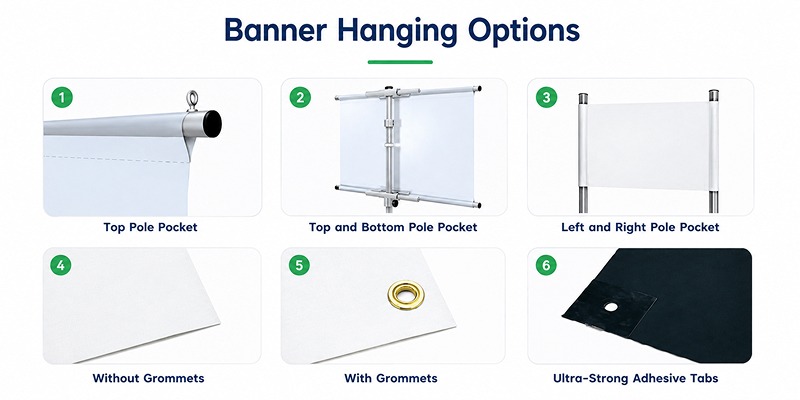
The hardware you choose matters almost as much as the banner itself, and there's more variety here than most people realize until they're standing in front of a wall trying to figure out what they actually need.
Grommets are the most common starting point - small metal rings punched along the edges that let rope, hooks, or zip ties pass through without tearing the material. For wider banners, spacing them closer together (every couple feet, not just the corners) keeps things from sagging in the middle.
Pole pockets work differently - a sewn sleeve along the top, bottom, or sides that a pole slides directly through. Good for anything that needs to stay taut without relying on a frame, and they give a cleaner finished look than visible grommets for some setups.
Adhesive tabs and strips skip hardware altogether, which is handy for glass surfaces, smooth walls, or anywhere you can't drill or staple anything. Suction cups solve a similar problem for storefront windows or glass doors specifically.
Bungee cords and zip ties are the go-to for anything fence-mounted or outdoors - fast, cheap, and flexible enough to handle uneven surfaces. Rope's the better pick when you need more give across an irregular structure.
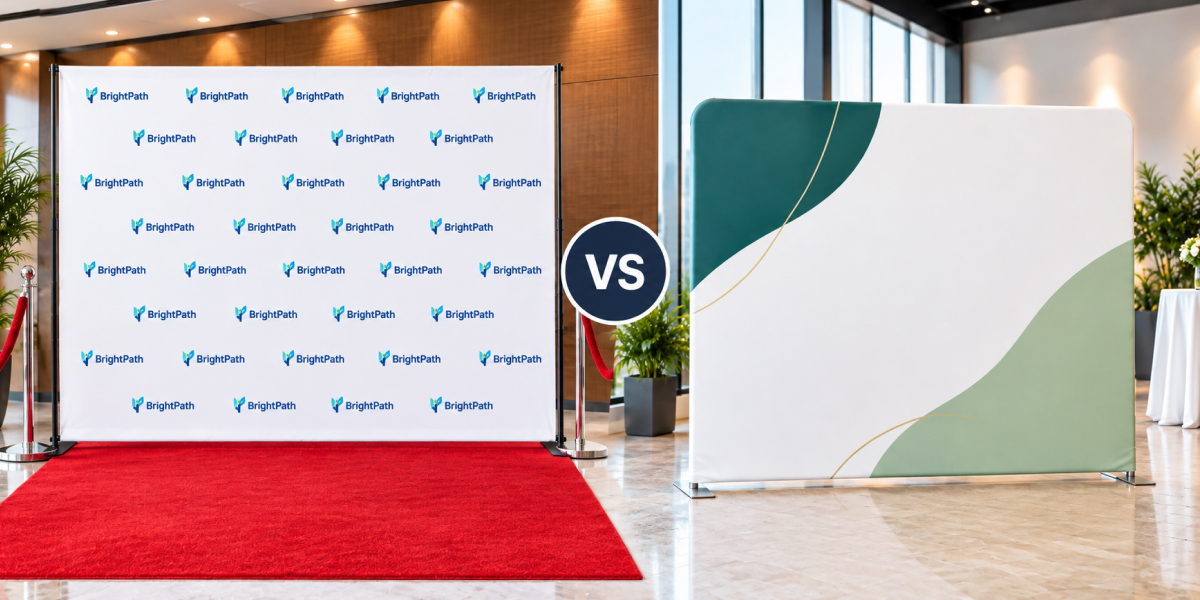
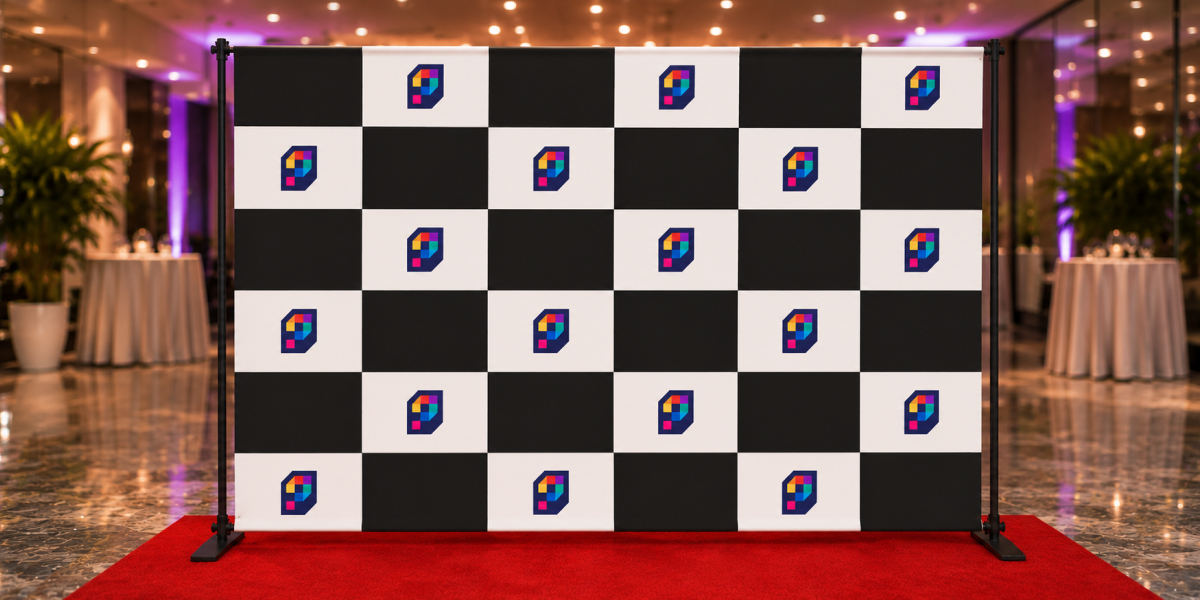
For events, banner stands and tension fabric frames handle the job without any of the above. Retractable stands set up in under a minute with no tools at all, which is exactly why they've become the default for trade shows and pop-up booths.
None of these options is universally "best" - it really comes down to the surface, how long the banner's staying up, and whether you're dealing with wind. A storefront window probably wants adhesive or suction cups. A fence at an outdoor festival wants zip ties or rope through grommets. A long-term lobby display wants a proper frame. Picking the wrong one isn't usually a disaster, but it's the kind of small mismatch that shows up as a sagging corner three days in.
What's Different About Vinyl Banners Specifically
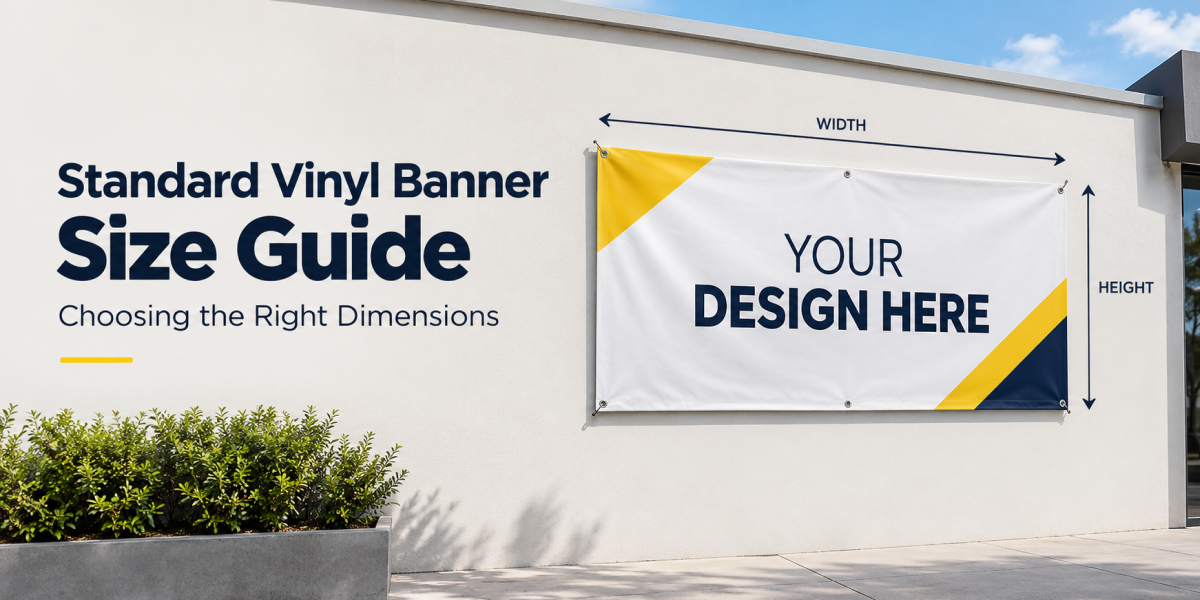
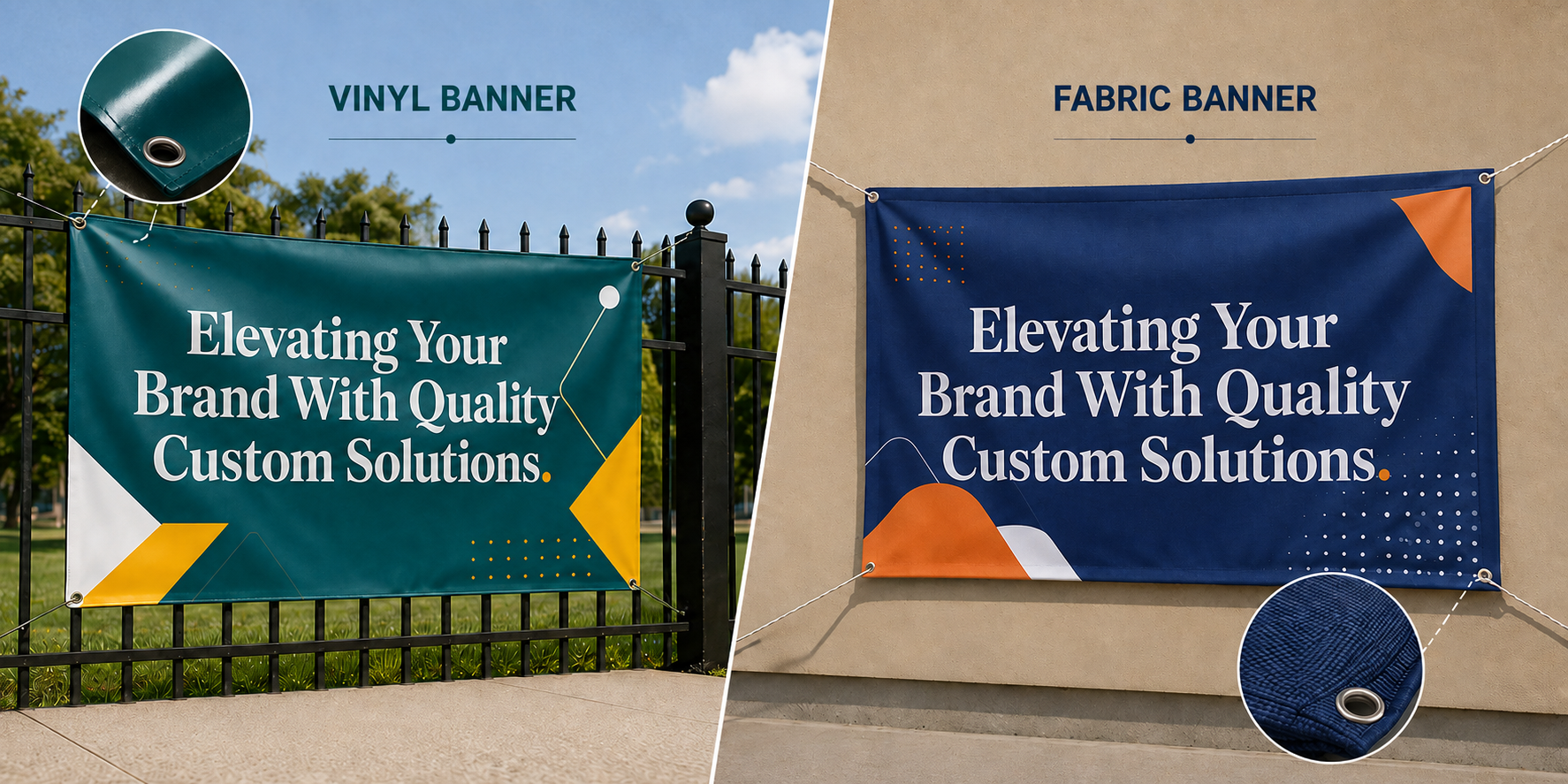
Vinyl banners are probably the most common material people end up working with, mostly because it holds up well almost anywhere - indoors, outdoors, short stints, long-term installs. But durable material doesn't mean the install matters less.
Line your hooks or screws up with the actual grommet placement rather than forcing the banner to match hardware that's already mounted somewhere else. Keep tension firm, not maxed out - overly tight vinyl loses the slight give it needs to handle wind movement outdoors. On anything large, reinforce the corners. Costs you five extra minutes and it's the difference between a banner lasting a full season versus tearing after two weekends.
Trade Shows and Events Bring Their Own Headaches
Booth size limits, venue rules, tight setup windows - events come with constraints you don't deal with anywhere else. Retractable stands solve most of it, built specifically for fast, tool-free setup and teardown. For bigger backdrop displays, tension fabric frames give a clean, wrinkle-free look that holds through a multi-day event without needing constant adjustment.
Hanging off a truss system in a convention hall? That's usually venue staff or a rigging crew handling it, but confirm weight limits and mounting points ahead of time rather than showing up and hoping for the best. Plan the method before event day. The scramble everyone's trying to avoid happens because nobody decided this part in advance.
Worth Checking Every Single Time
Before walking away from any setup, run through it quick. Are all the anchor points actually secure, or is something hanging by one grommet that's about to give out? Is the banner blocking anything it shouldn't - exits, other signage, sightlines that matter? Any visible wear on the grommets or edges from a previous use that's about to fail this time around?
Storage afterward matters more than people expect, too. Roll it, don't fold it - folding creates creases that turn into permanent lines in the print eventually, especially with vinyl. Dry storage, out of direct sun, and it'll hold up across several uses instead of degrading after the first one or two.
The Banner Has to Be Built for This in the First Place
All the technique in the world doesn't help much if the banner wasn't built to handle it. Custom banner printing from a provider that actually understands real-world use - proper grommet spacing, reinforced edges, material rated for genuine outdoor exposure - heads off most of the headaches above before they even start. A cheaply made banner is going to struggle no matter how carefully you hang it.
Putting It Together
Hanging a banner right isn't complicated, but it does mean matching the method to the setting. Indoors versus outdoors. Temporary versus long-term. Wall-mounted versus fence-mounted. Get that match right, account for wind and tension where it actually matters, keep a basic kit of grommets, hooks, and ties on hand, and the whole thing stops being something you're rushing through five minutes before an event starts.
The banner does the work of representing your brand. The hanging is what keeps it doing that job for as long as it needs to.