
Vinyl vs. Fabric Banners: Pros, Cons, and Which to Choose
So you need a banner. Vinyl or fabric? Most people don't even know that's a real choice until a print shop asks them. It matters more than it sounds like it should - how it looks in photos, how long it lasts nailed to a fence in July, whether it survives getting shoved in a bag after a trade show. Different materials, different trade-offs.
Below is the honest breakdown of both. Not the sales-page version. Where each one actually wins, where it actually loses.
Read more: What Is Banner Printing? Types, Materials, and How It Works
Quick Version
Outdoors, long-term? Vinyl. Indoors, needs to look nice, gets folded up and reused? Fabric. That's the 80% answer. The other 20% is below.
Vinyl: The Case For It
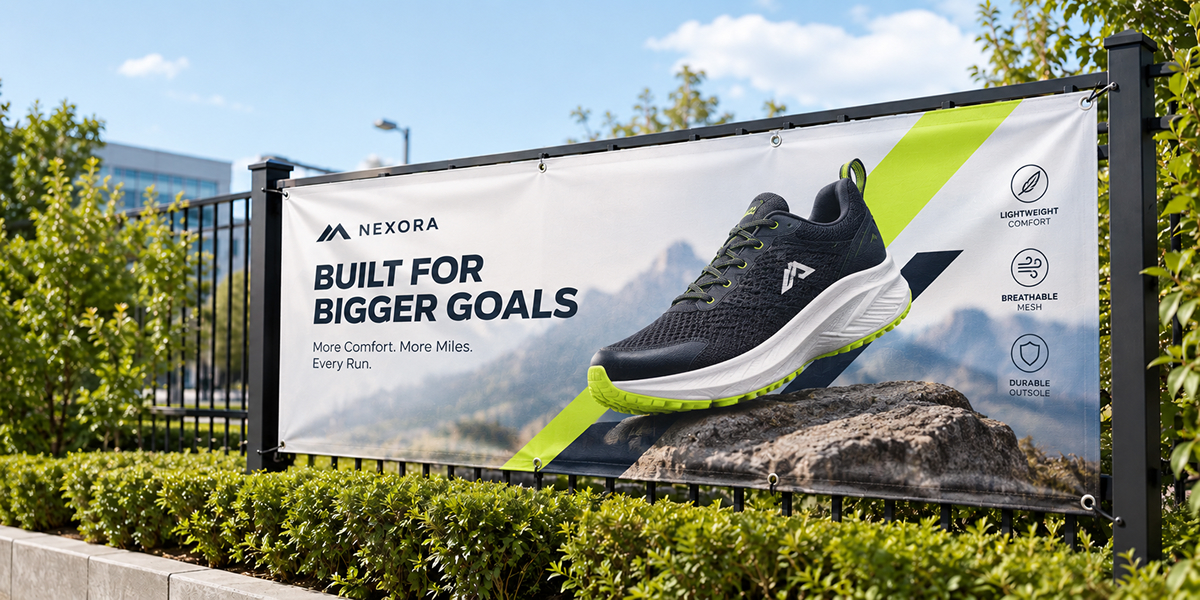
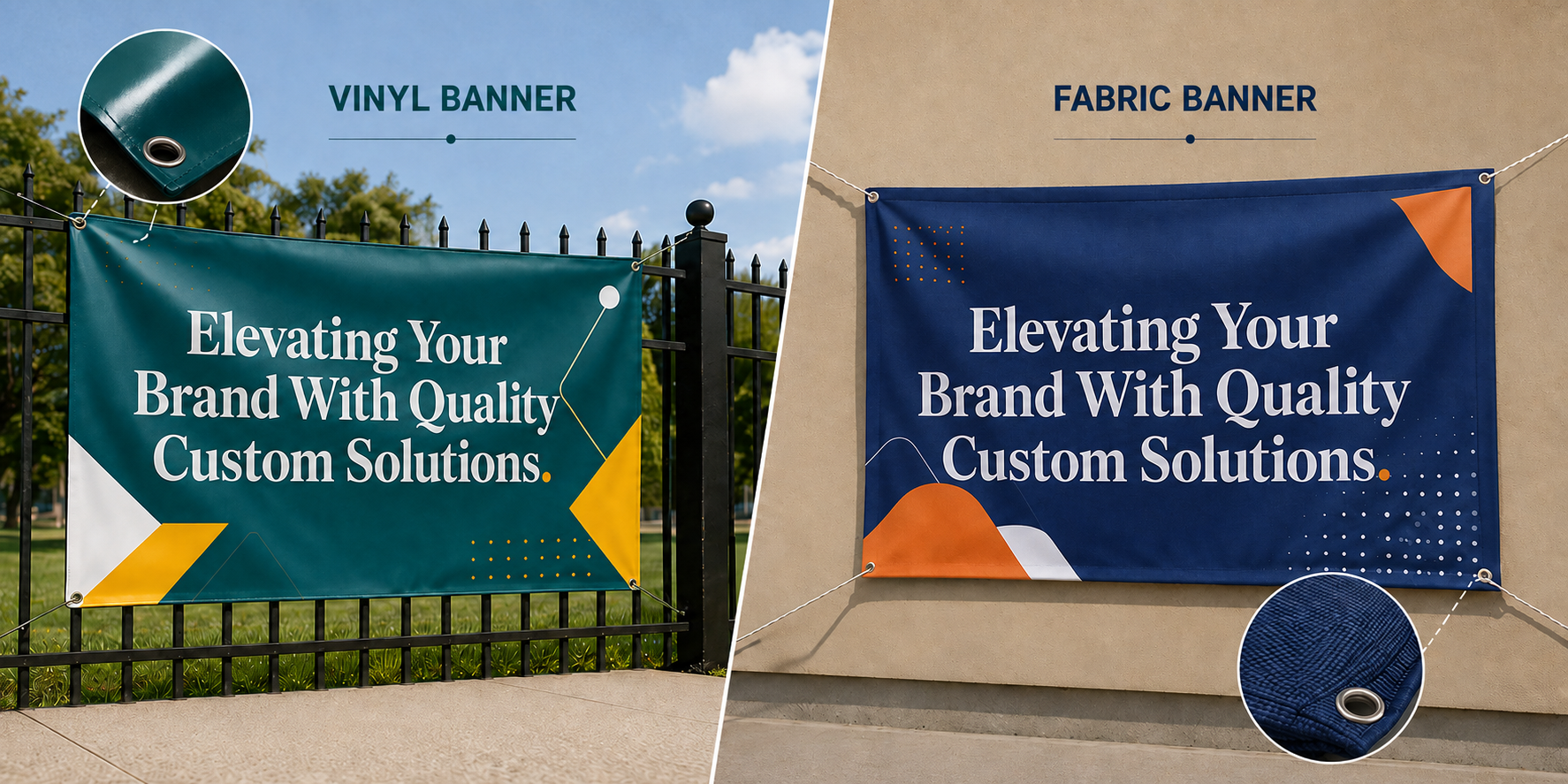
Think of a custom vinyl banner as the workhorse option. Coated plastic sheet, grommets punched along the edges so you can hang it, zip-tie it, whatever. This is why every construction site fence and every "GRAND OPENING" banner you've ever seen is vinyl - it just doesn't care about weather. Sun, rain, wind, it shrugs most of it off.
What it does well:
- Sits outside for months without warping or bleaching out
- Grommets = easy mounting, no special hardware needed
- Prints sharp, colors don't wash out even at 10 feet wide
- Cheapest option in most cases
Where it loses:
Glossy finish. Under camera lights especially, it can look a little cheap next to fabric's softer matte look. Fold it once and that crease is permanent - so it ships and stores rolled, not folded, which is annoying if you don't have the space. And solid vinyl doesn't breathe at all. Catch a gust of wind and an unvented banner behaves like a parachute. That's rough on whatever's holding it up.
Fabric: The Case For It
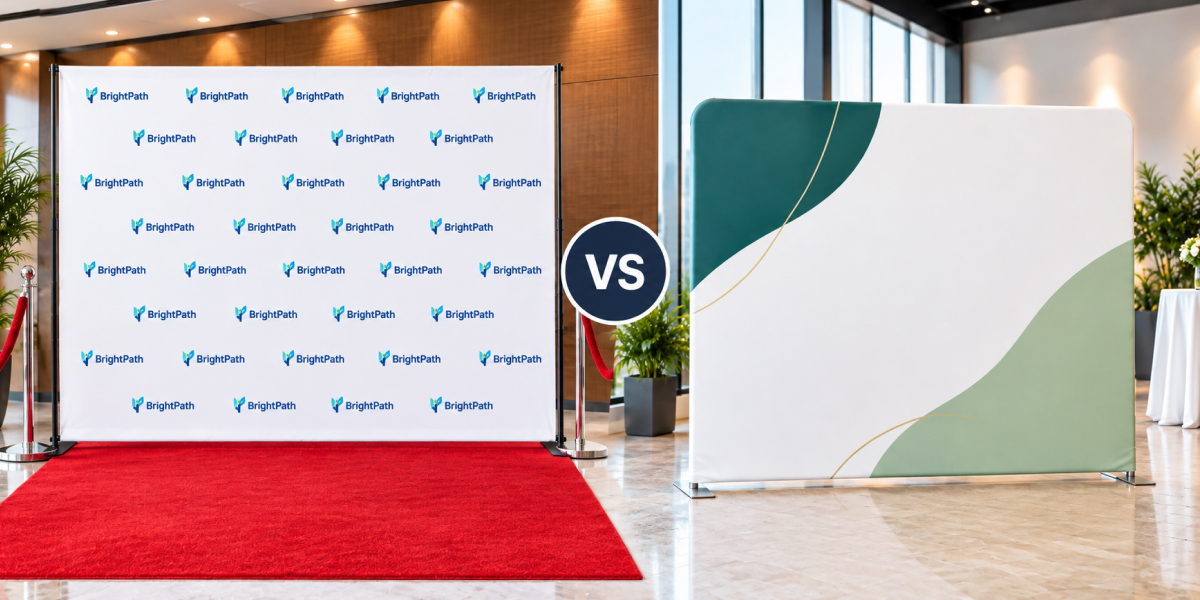
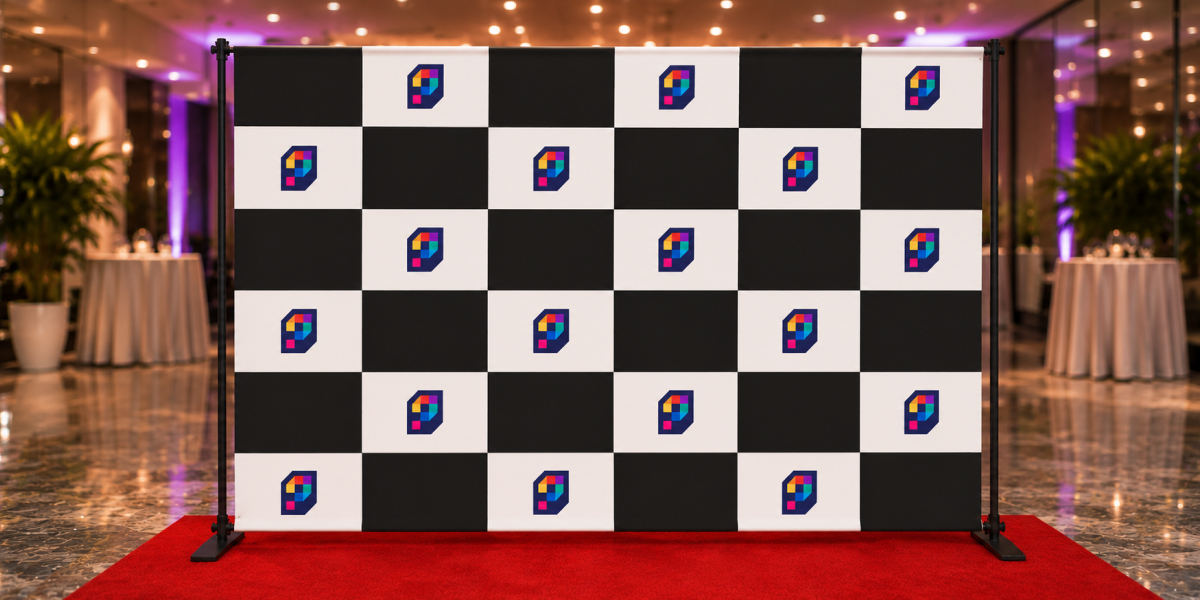
A custom fabric banner is usually polyester - dye-sub printed most often, meaning the ink is basically part of the thread rather than sitting on top of it. Softer look, better under lighting, and here's the thing vinyl can't do: fold it up, throw it in a bag, no crease. That's exactly why trade show booths and step-and-repeat photo backdrops are almost always fabric. It travels.
What it does well:
- Matte finish, looks noticeably more expensive on camera
- Packs flat, no wrinkles, no rolling required
- Lighter, works great on tension-frame stands
- Handles wind decently since air passes through it
Where it loses:
Weather isn't its strong suit. Leave it outside too long and it'll fade quicker than vinyl, maybe soak up moisture if it's untreated. Costs more, generally. And you can't just grommet-and-rope it - usually needs an actual frame or stand.
Side by Side
| Factor | Vinyl Banner | Fabric Banner |
|---|---|---|
| Best for | Outdoor, long-term use | Indoor, trade shows, photography |
| Durability outdoors | High | Moderate |
| Visual finish | Glossy | Matte |
| Foldable | No (creases) | Yes |
| Wind resistance | Lower (unless vented) | Higher |
| Typical cost | Lower | Higher |
| Mounting | Grommets, ropes | Frames, stands, poles |
Match It to the Job
Storefront, outdoor event? Vinyl. No contest, really - sun and rain aren't a factor and grommets make setup a five-minute job.
Trade show floor? Fabric wins most of the time. Better under fluorescents, folds into a bag without a wrinkle, fits the tension-frame stands everyone already uses.
Construction signage, real estate listing sitting on a lawn for two months? Vinyl again. Weather beats aesthetics here, easily.
Photo backdrop, step-and-repeat wall? Fabric. Glare from a glossy vinyl surface under studio lights is a real problem; matte avoids it entirely.
One-time event, tight budget? Either works, but vinyl's usually cheaper if it's a single use.
Small Stuff That Matters No Matter Which You Pick
Resolution first - low-res art looks bad blown up to banner size regardless of material. Vector files for logos and text, always, if you can get them.
UV ink helps both materials if there's any sun exposure at all, even through glass. Regular ink just doesn't hold color as long.
And finishing touches - grommets, pole pockets, hemmed edges - decide how well the thing actually mounts and whether the edges start fraying after a season. Worth asking about before you order instead of assuming a default finish covers it.
What's This Actually Going to Cost?
Depends on size, material, finishing - but a rough pattern holds across most shops. Vinyl usually runs less per square foot, sometimes noticeably less once you're ordering something big. Double-sided printing, extra grommets, pole pockets — all of that stacks onto the base price. Rush orders cost more, obviously.
Ordering banners a lot - recurring events, seasonal stuff, multiple locations? Ask about bulk pricing. Most custom banner printing shops knock the per-unit price down meaningfully once volume goes up.
So, Which One?
Neither one's objectively better - depends entirely on what it's for. Durability and price matter most? Vinyl. Looks and portability matter more? Fabric.
Rough rule: needs to survive weather, go vinyl. Needs to look sharp indoors and pack up easy, go fabric. And honestly, if you need both - an outdoor grand-opening banner and an indoor trade show setup - just order one of each. Trying to find one material that does everything okay usually beats out neither material doing anything great.
Bottom Line
Both materials are good at their job, as long as they're used where they're supposed to be used. Vinyl's the tough, weatherproof pick. Fabric's the cleaner-looking, more portable one. Knowing which is which before you order saves money - and saves you from ending up with a banner that just wasn't built for where you put it.