
What Is Banner Printing? Types, Materials, and How It Works
Banner printing, in the simplest terms, is producing large-format graphics - usually vinyl, fabric, or mesh - meant to display a message, brand, or promotion somewhere people will actually see it. Storefronts, trade shows, fences, stadiums, parking lots. Pretty much anywhere a business needs to grab attention from a distance, odds are decent there's a printed banner doing that work.
That's the short version. But once you actually start looking into it, "banner printing" covers way more ground than people expect - different materials built for completely different conditions, different printing methods, different finishing depending on where the thing's actually going to hang. Worth breaking that down properly instead of treating it as one catch-all category.
What's Actually Happening During Banner Printing
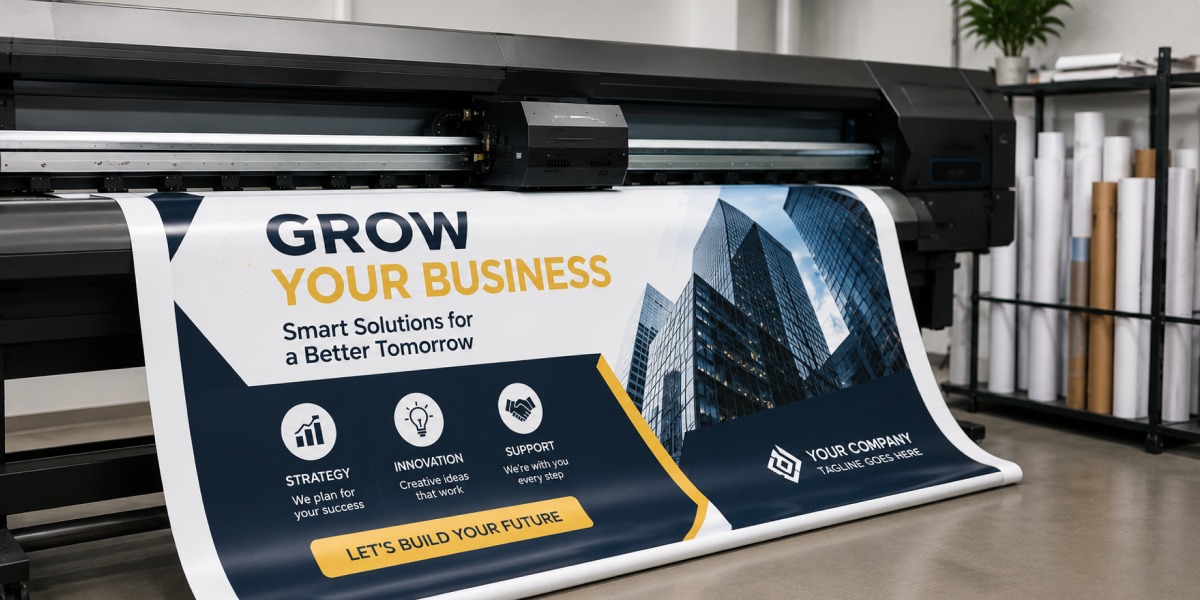
At the core of it, banner printing takes a digital file and reproduces it at a large scale on durable material - usually through large-format inkjet printers built specifically for this. Not your office printer scaled up. Dedicated equipment made for wide rolls of vinyl or fabric, laying down ink that's actually meant to survive outdoors instead of fading after a week in the sun.
The process runs through a handful of stages. Design comes first - sizing, layout, color, all of it built around how the banner gets viewed in real life. Up close at a trade show booth is a different design problem than across a parking lot, and that changes font size, contrast, basically everything. Material selection comes next, since not every banner's heading outside or staying up for months. Then the actual print run, followed by finishing - trimming, hemming, grommets or whatever hardware the use case needs. Every one of those steps changes how it looks and, more importantly, how long it lasts.
The Main Types Worth Knowing
There's not just one kind of banner, and the differences between them matter more than people assume until they've ordered the wrong one once.
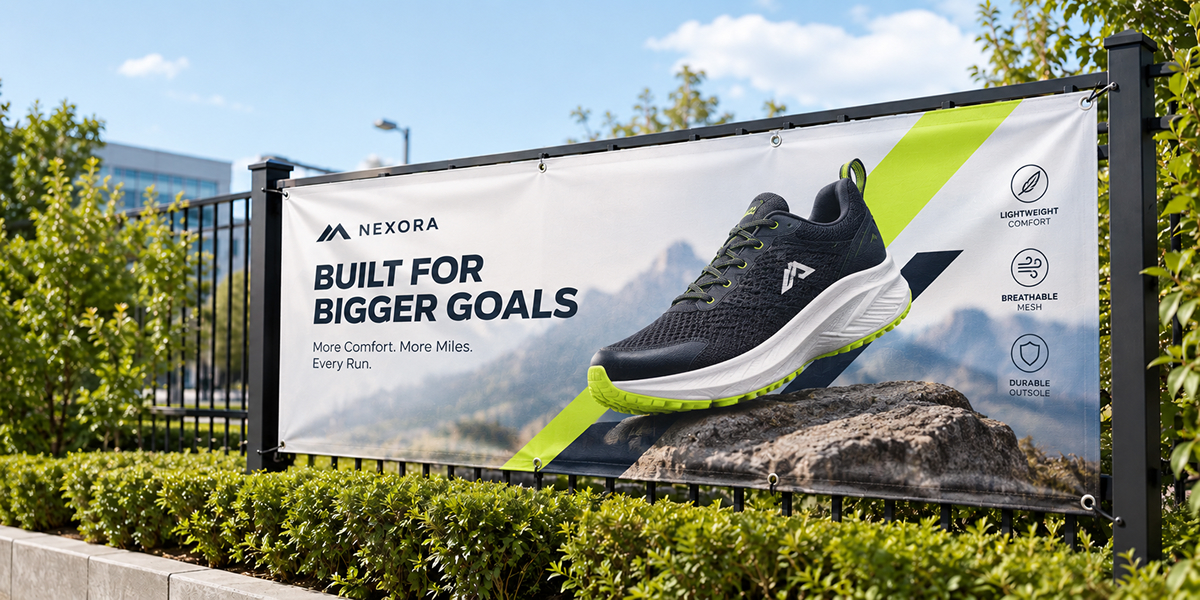
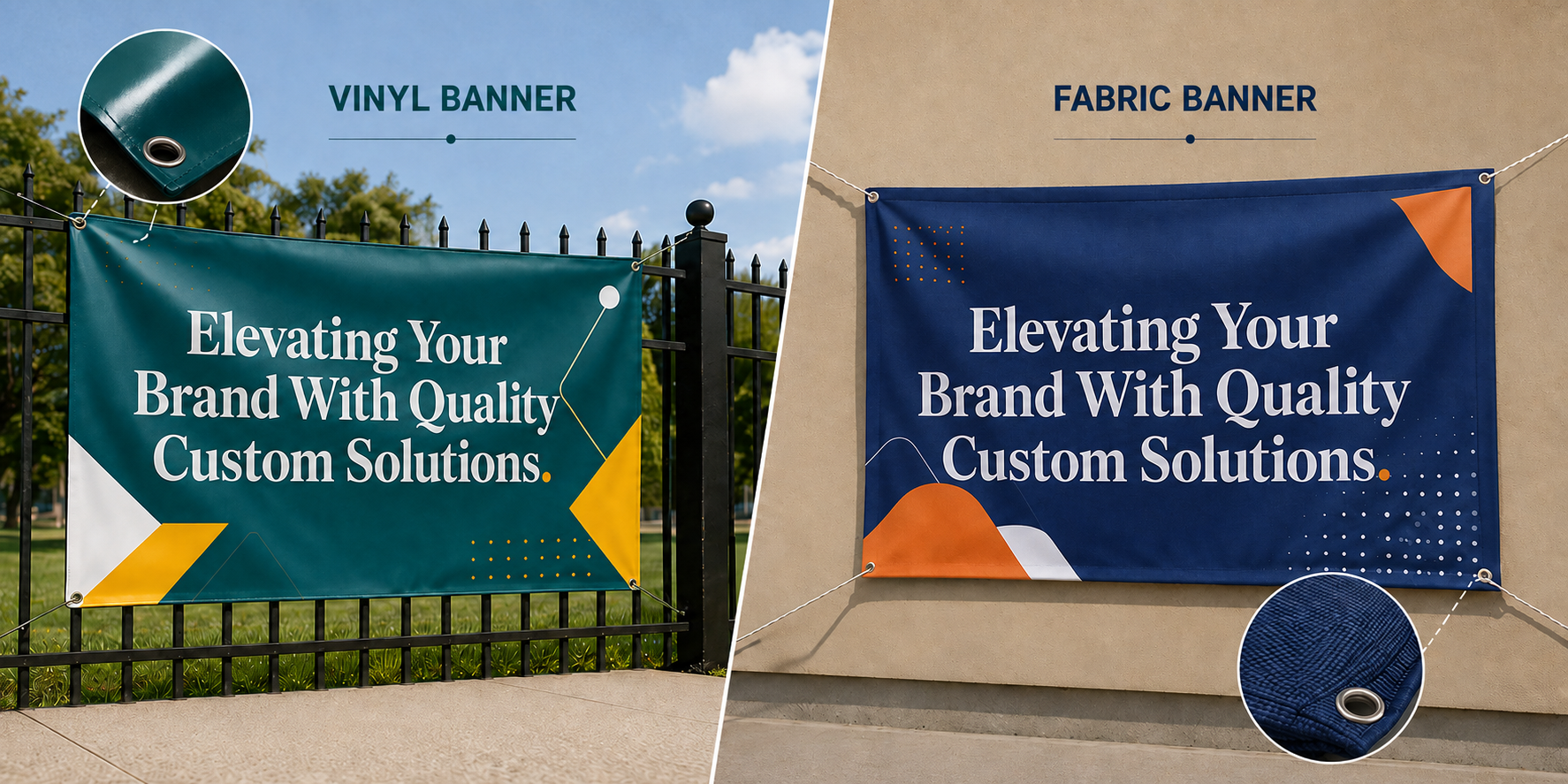
Outdoor banner printing gets built specifically to survive the elements - wind, rain, direct sun, swinging temperatures. Usually means heavier vinyl with UV-resistant inks that won't wash out after a few weeks, plus reinforced grommets and edges that can take being hung on a fence or building exterior without tearing apart. Anything staying outside for a real stretch of time needs to fall into this category. Using indoor-rated material outside is basically a guaranteed faded, sagging mess inside a month.
Indoor banners get a lot more flexibility since they're not fighting weather at all. Fabric tends to shine here specifically - softer, more upscale finish than vinyl, works well for retail displays or conference rooms or anywhere the banner's part of a polished setup rather than something braving the elements.
Mesh solves one specific problem: wind. The perforated surface lets air pass straight through instead of catching the whole thing like a sail, which is why it shows up so often on construction site fencing, sports venues, anywhere wind's a genuine concern.
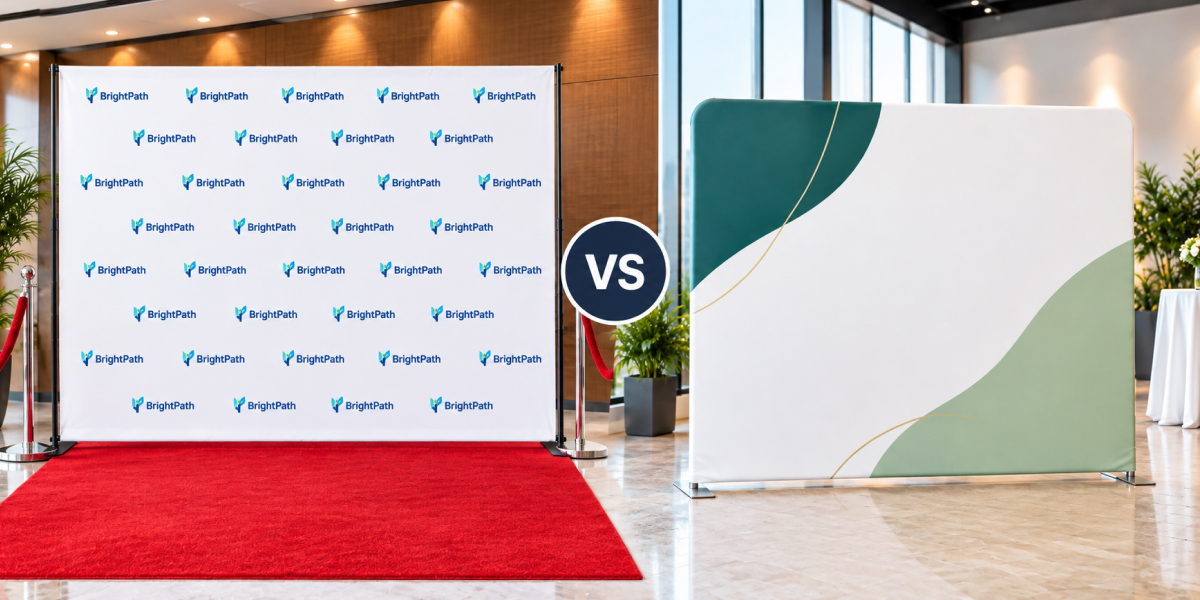
Retractable and pop-up banners exist for portability, not permanence - the roll-up displays at trade shows and conferences, built for fast setup and breakdown rather than sitting outside for months.
Materials, and Why the Differences Matter
Material's arguably the single biggest factor in how well a banner actually performs, and it's worth understanding before placing an order rather than after something fades or tears.
Vinyl's the default across most of the industry, for good reason - durable, weather-resistant, affordable even at bigger sizes, versatile enough to work indoors or outdoors depending on the specific product. It just handles most situations fine without needing anything specialized.
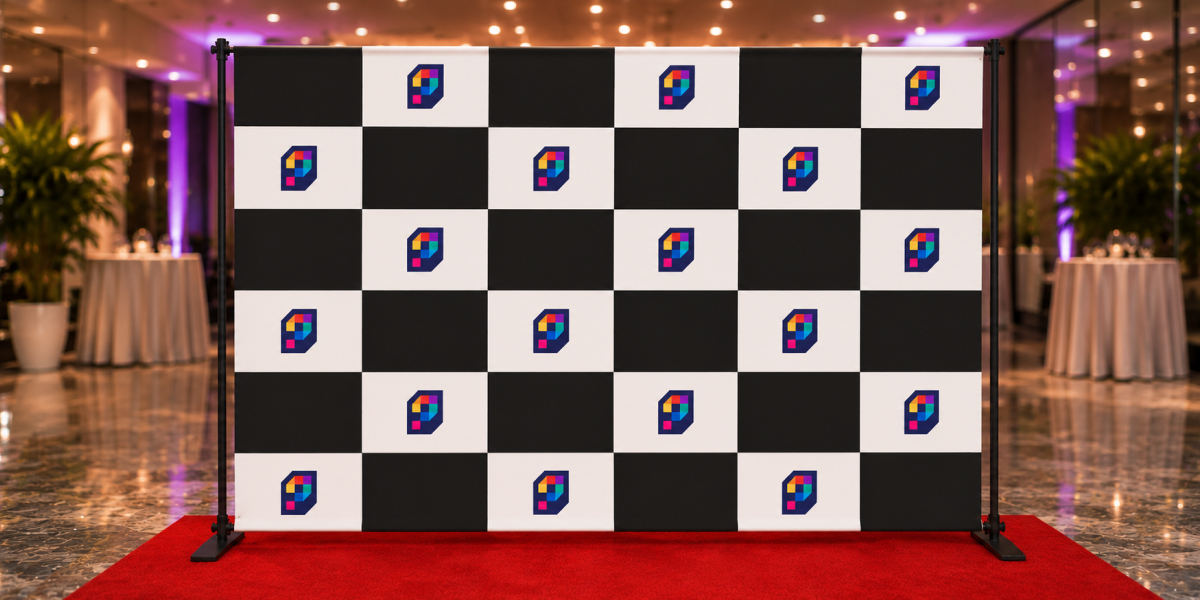
Fabric brings a more premium look - often used for indoor displays, step-and-repeat backdrops, anywhere visual quality matters more than weatherproofing. Doesn't hold up outdoors long-term the way vinyl does, but indoors, it presents better in a lot of settings.
Mesh, again, is the wind-resistant pick - slightly lower print clarity because of the perforated surface, but that tradeoff's worth it anywhere wind would otherwise wreck a solid banner within days.
There's adhesive vinyl too, for window clings or temporary surface jobs, and canvas for a more textured, artistic finish - less common for straight advertising, more for interior decor type settings.
Custom Banner Printing vs. Generic Templates
Custom banner printing means the design, sizing, sometimes the material itself, gets built around one specific business's actual needs rather than pulled from a generic template that fits nobody perfectly. Sounds like a small distinction. It usually isn't.
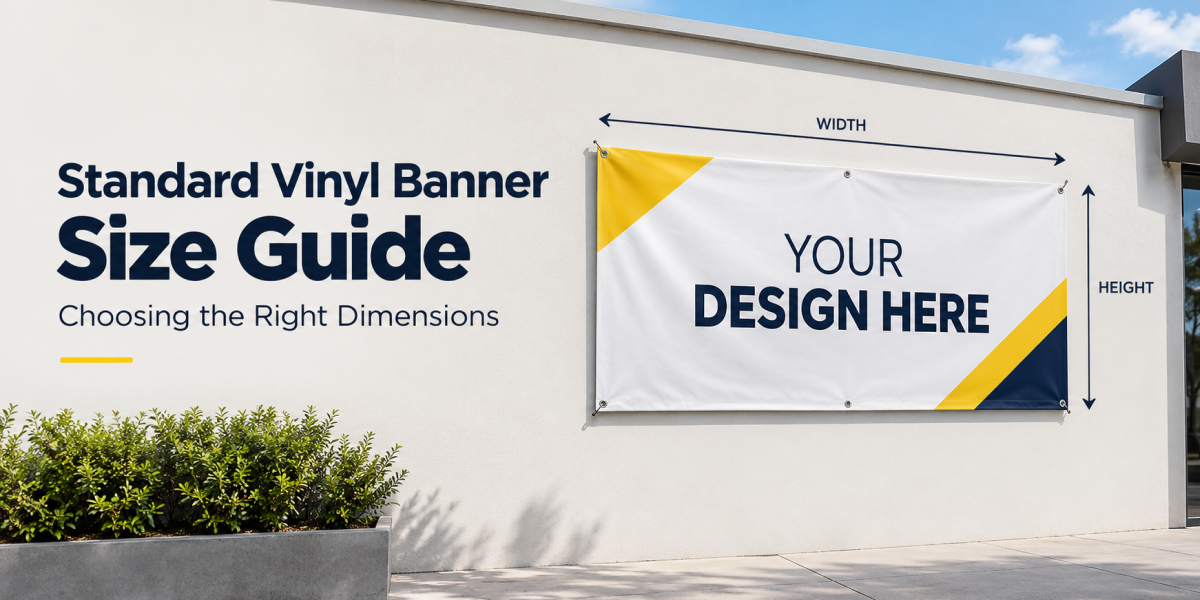
A template banner might land on a standard size, but it's not accounting for your storefront's exact dimensions, the real viewing distance your audience sees it from, or any branding detail unique to your business. Going custom also opens up real sizing flexibility - oversized banners for building wraps, narrow ones for tight spaces, unusual shapes for odd display setups - none of which a pre-made template can really handle.
For most businesses, custom isn't dramatically more expensive than the generic route, and the difference in fit and overall presentation tends to be pretty obvious the moment it's hung next to something less tailored.
Custom Printed Flags: A Close Relative
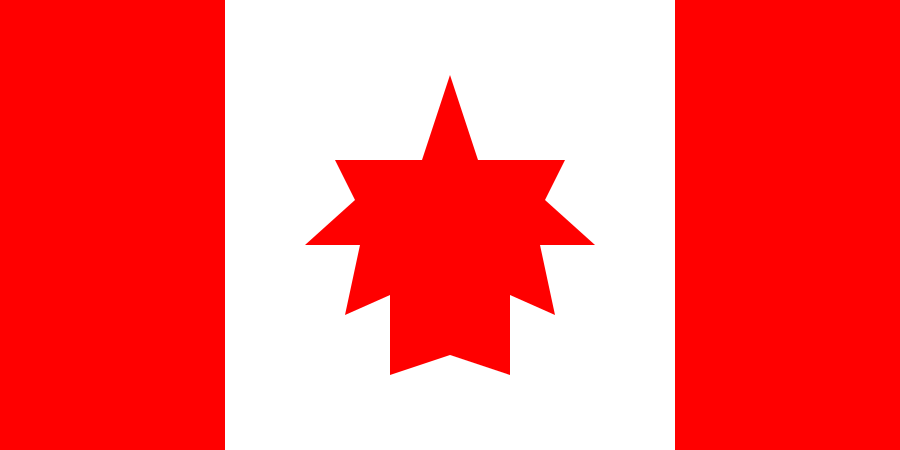
Banner printing as a category overlaps a lot with related large-format products, and custom printed flags are one of the more common examples. Same general printing tech, similar material choices - vinyl, fabric, mesh depending on use - but a different shape built for poles, yard stakes, or freestanding setups rather than flat wall or fence mounting.
Flags pair well with banners rather than replacing them. A banner delivers the main message from a distance; flags add movement and a sense of occasion that flat signage just doesn't manage on its own. Businesses decorating for seasonal events, grand openings, or ongoing branding often run both together instead of picking just one.
The Actual Steps, Start to Finish
Once a design's finalized, the file gets checked for print readiness - resolution, color profile, overall sizing - making sure it comes out sharp instead of pixelated once it's blown up to full size. Large-format printers apply the design onto the chosen material with specialized inks, often UV-resistant for anything heading outdoors.
After printing, it moves to finishing. Trimming to final size, hemming edges so they don't fray, adding whatever hardware the job needs - grommets for hanging, pole pockets for frame-mounted banners, adhesive backing for surface jobs. Quality control usually happens around here too, checking color accuracy and catching any print defects before it ships.
Start to finish, finalized file to finished product, usually runs anywhere from a day up to about a week depending on size, complexity, and whether rush production's involved.
Why Getting the Choice Right Actually Matters
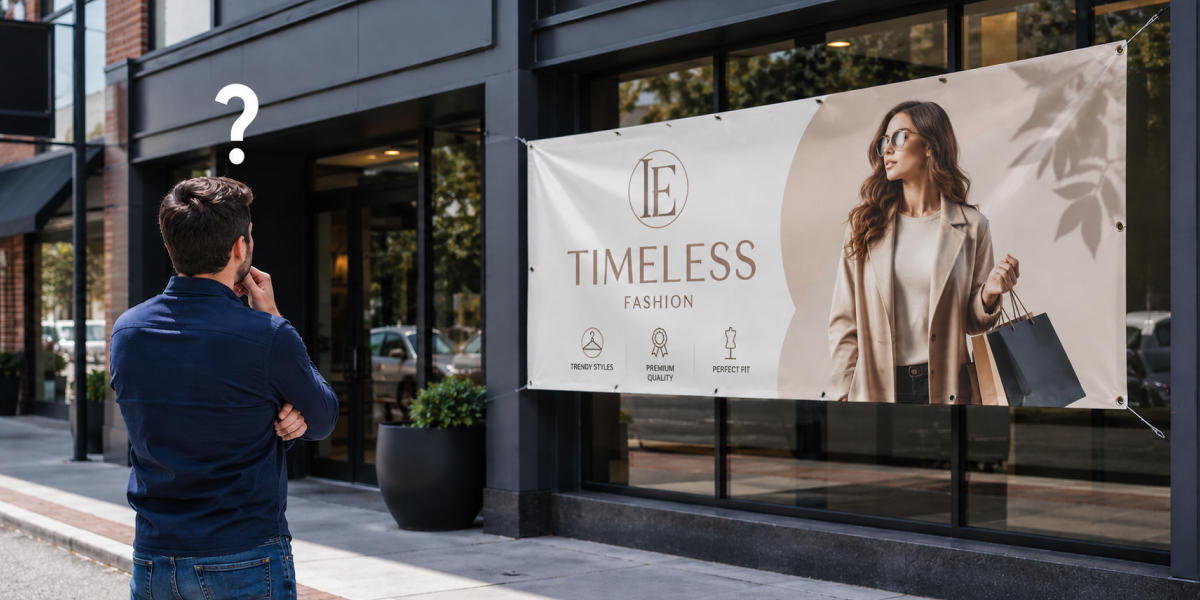
Picking the wrong type or material doesn't just hurt how a banner looks on day one - it affects how long it lasts and what it actually accomplishes for the money spent. Indoor-rated material stuck outside fades and tears within weeks, no exceptions. A banner sized without thinking about real viewing distance ends up unreadable from wherever people will actually stand. Skip the reinforced grommets on something hanging in regular wind, and a reorder's probably coming sooner than planned.
Getting these calls right from the start - material matched to environment, size matched to viewing distance, finishing matched to how it's actually getting mounted - is really what separates a banner that holds up for months or years from one that's done after a single use.
Final Thoughts
Banner printing covers a lot more territory than it looks like at first glance. Multiple materials, multiple formats, a process that goes well past just "print a design on something big." Knowing the basics - how it works, which type fits which situation - makes it a lot easier to end up with something that actually does its job, instead of a banner that looked fine on a screen and falls apart the second it's out in the real world.